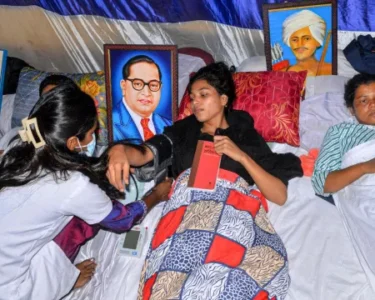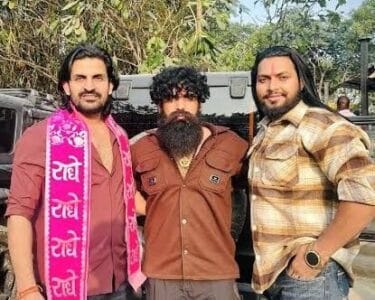

The ongoing protest led by the Cockroach Janata Party (CJP) has attracted significant attention across India. According to supporters, it has brought together a large number of young people from different parts of the country, making it one of the most visible youth-led protest movements in recent years.
The movement, led by Abhijit Dhibke and other CJP leaders, has focused on issues affecting students, education, accountability, and public policy. As crowds gathered at Delhi’s Jantar Mantar, many expected mainstream media organizations to cover the event openly and transparently.
However, an unusual question began circulating among protesters and social media users.
Khan Sir Case Explained: What Media Didn’t Tell You from Khan Sir to Faisal Khan: Why the Sudden Focus on His Identity?
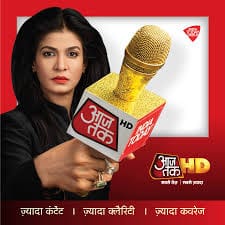
Why were some media reporters allegedly hiding their channel branding and microphone logos?
Many participants claimed that reporters covering the protest were using microphones without visible media logos or identification. Some protesters also alleged that reporters were reluctant to clearly identify which news organization they represented.
Whether intentional or not, this created suspicion among many people attending the protest.
The question being asked is simple: if journalists are confident in their reporting and proud of their organizations, why would they need to hide their identity while covering a public event?
Supporters of the protest argue that this reflects a growing crisis of trust between mainstream media and ordinary citizens. Over the years, many viewers have accused sections of the media of prioritizing political narratives, sensationalism, and ideological agendas over the concerns of ordinary people.
Critics argue that mainstream media often gives more attention to political controversies, celebrity news, religious polarization, and divisive debates than to issues such as education, unemployment, student welfare, corruption, and public accountability.
As a result, many young Indians feel disconnected from traditional news organizations.
The reaction seen at the CJP protest may be a reflection of that frustration.
For years, citizens have questioned whether parts of the media are acting as watchdogs for the public or as defenders of powerful interests. When trust breaks down, people become skeptical of everything, including journalists themselves.
If reporters truly felt respected and trusted by the public, there would be little reason for concerns about hiding logos, branding, or organizational identity.
The controversy surrounding media coverage of the protest highlights a larger issue facing Indian journalism today: credibility.
People no longer want narratives. They want facts.
They no longer want selective coverage. They want transparency.
They no longer want debates designed for television ratings. They want answers to real problems affecting their lives.
Whether one supports or opposes the Cockroach Janata Party, the questions raised by protesters deserve attention.
Why is trust in mainstream media declining?
Why do so many young people feel ignored?
And why are citizens increasingly turning to independent voices rather than traditional television networks?
Until these questions are honestly addressed, the gap between mainstream media and the public is likely to continue growing.
The real story may not be the protest itself.
The real story may be why so many people no longer trust the institutions that claim to speak for them.