
India’s Problem Is Not Religion, It Is People Who Refuse to Think
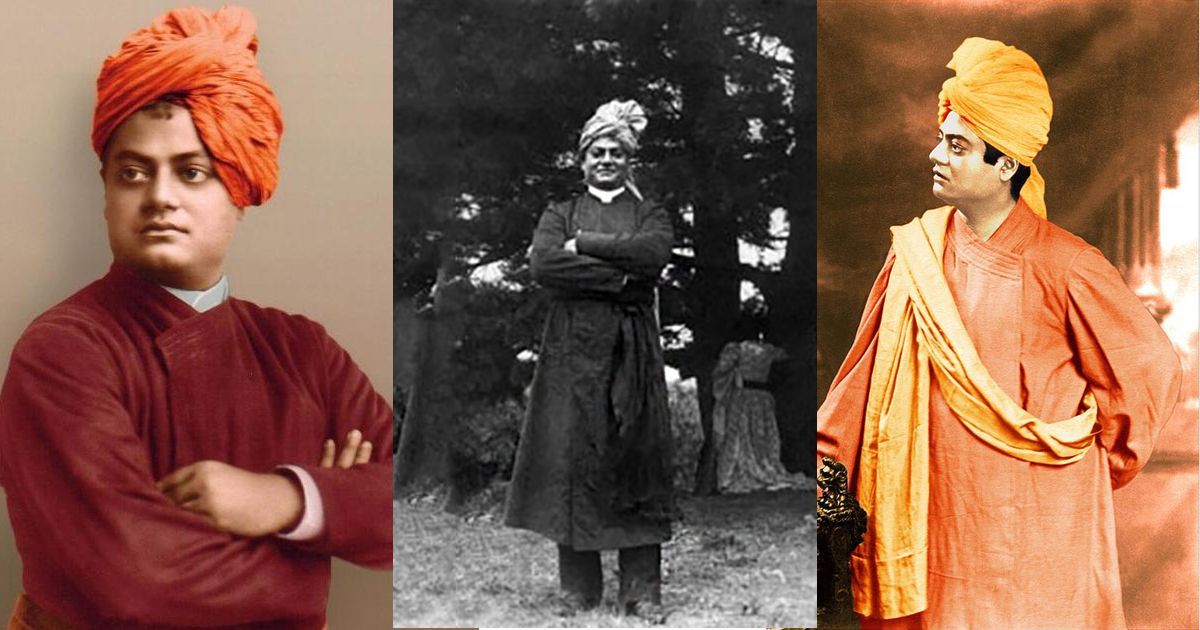
India proudly celebrates Swami Vivekananda as a symbol of strength, spirituality, and national pride. His image is everywhere. His quotes are used in political speeches, school books, motivational videos, and social media posts. He is presented as someone who represents religion, culture, and identity.
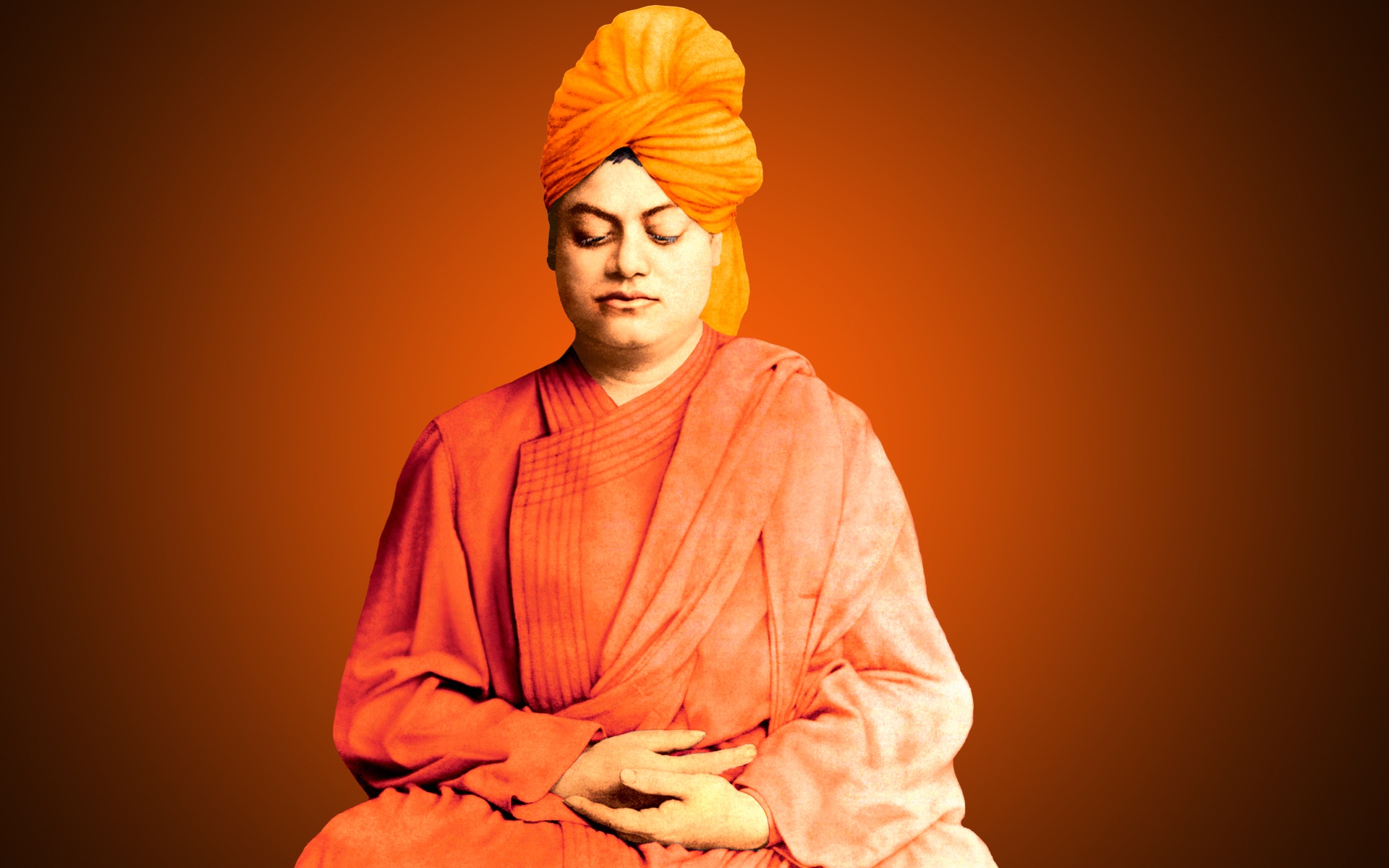
But this popular image hides a deeper and more uncomfortable truth.
India proudly celebrates Swami Vivekananda as a symbol of strength, spirituality, and national pride. His image is everywhere. His quotes are used in political speeches, school books, motivational videos, and social media posts. He is presented as someone who represents religion, culture, and identity.
The real Vivekananda was not someone who encouraged blind belief. He was not someone who asked people to follow religion without questioning. He was not someone who protected traditions just because they were old. In fact, he did the exact opposite. He questioned everything that demanded obedience without understanding.
If his original words are read honestly and applied to present-day India, they do not support the current direction of society. They challenge it.
The Core of His Thinking: Question Before You Believe
Vivekananda’s philosophy begins with a very simple but powerful idea. Do not believe something just because it is popular, ancient, or socially accepted. Believe only when it makes sense to you.
“It is better to be an atheist than to believe in superstition,”— Swami Vivekananda
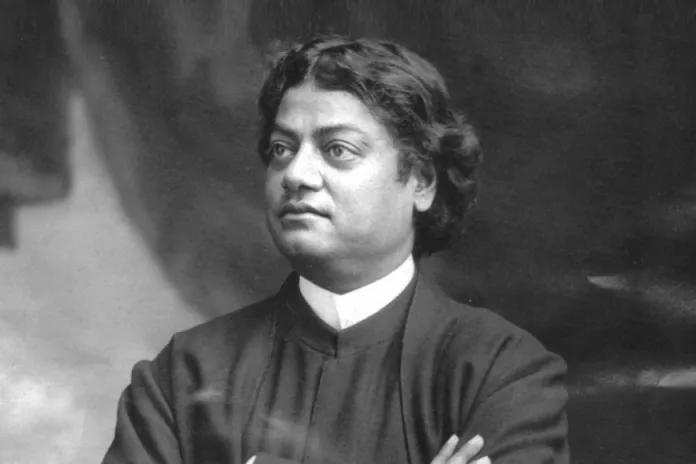
is often misunderstood or deliberately softened. But its meaning is very direct. He is saying that a person who doubts honestly is better than a person who believes blindly.
This is not anti-religion. This is anti-blindness.
He goes even further when he says that people should not accept anything, even if it comes from him, unless it matches their own reason and common sense. This is rare. Most religious leaders demand trust. Vivekananda demanded thinking.
If this one principle is taken seriously, it would force people to re-evaluate a large part of what they currently follow in the name of religion.
The Reality of Modern India: Belief Without Verification
Now look at the present situation.
Across the country, large sections of people follow individuals who claim spiritual powers, miracles, or divine authority. These figures are not limited to one religion. They exist across Hindu, Christian, and Muslim communities.
“Superstition is our enemy, bigotry is worse, and religion is not in dogma but in realization.”
— Swami Vivekananda
In Madhya Pradesh figures like Dhirendra Krishna Shastri attract massive crowds. People attend gatherings believing that personal problems can be solved through supernatural means. Claims are made about reading minds, predicting events, or offering divine solutions.
But the critical question remains missing. Where is the evidence?
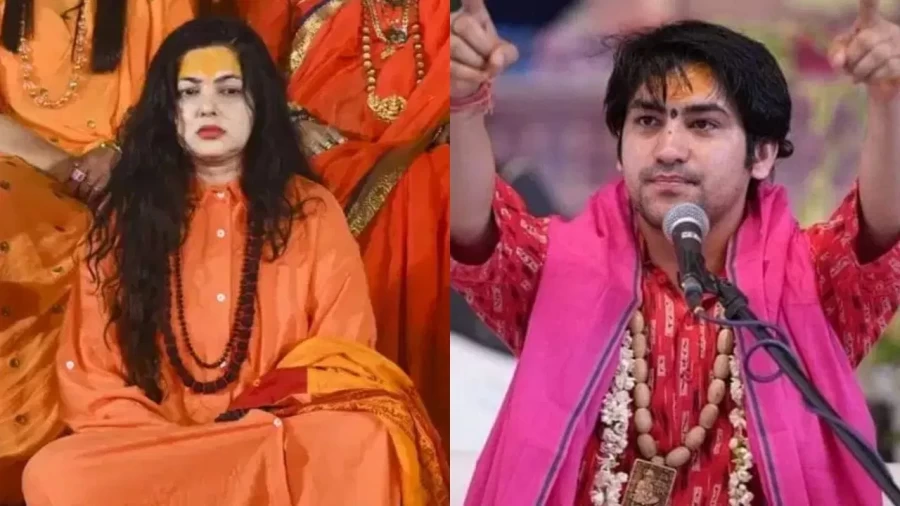
Faith is expected. Questioning is discouraged.
In Punjab, similar patterns appear in gatherings led by Christian Pastor’s figures like Baljinder Singh. People are told they are healed. Emotional testimonies are presented. Crowds react with belief.

Again, the same issue appears. There is no independent verification. There is no critical examination.
There is only acceptance.
Within sections of the Muslim community, the spread of rigid interpretations like extremist Wahhabi and Salafi ideologies has created another version of the same problem. Here, the focus is not on miracles, but on strict obedience. Questioning is often discouraged, and interpretation is limited.

Now add another dimension.
Within sections of Buddhist communities inspired by B. R. Ambedkar, a new contradiction is emerging. Ambedkar rejected blind worship and emphasized rationality, constitutional values, and critical thinking. Yet today, in some places, statues are treated like deities, temples are built, and symbolic worship replaces intellectual engagement.
This directly goes against Ambedkar’s own philosophy.
Different religions. Different leaders. Same mistake.
Belief without thinking.
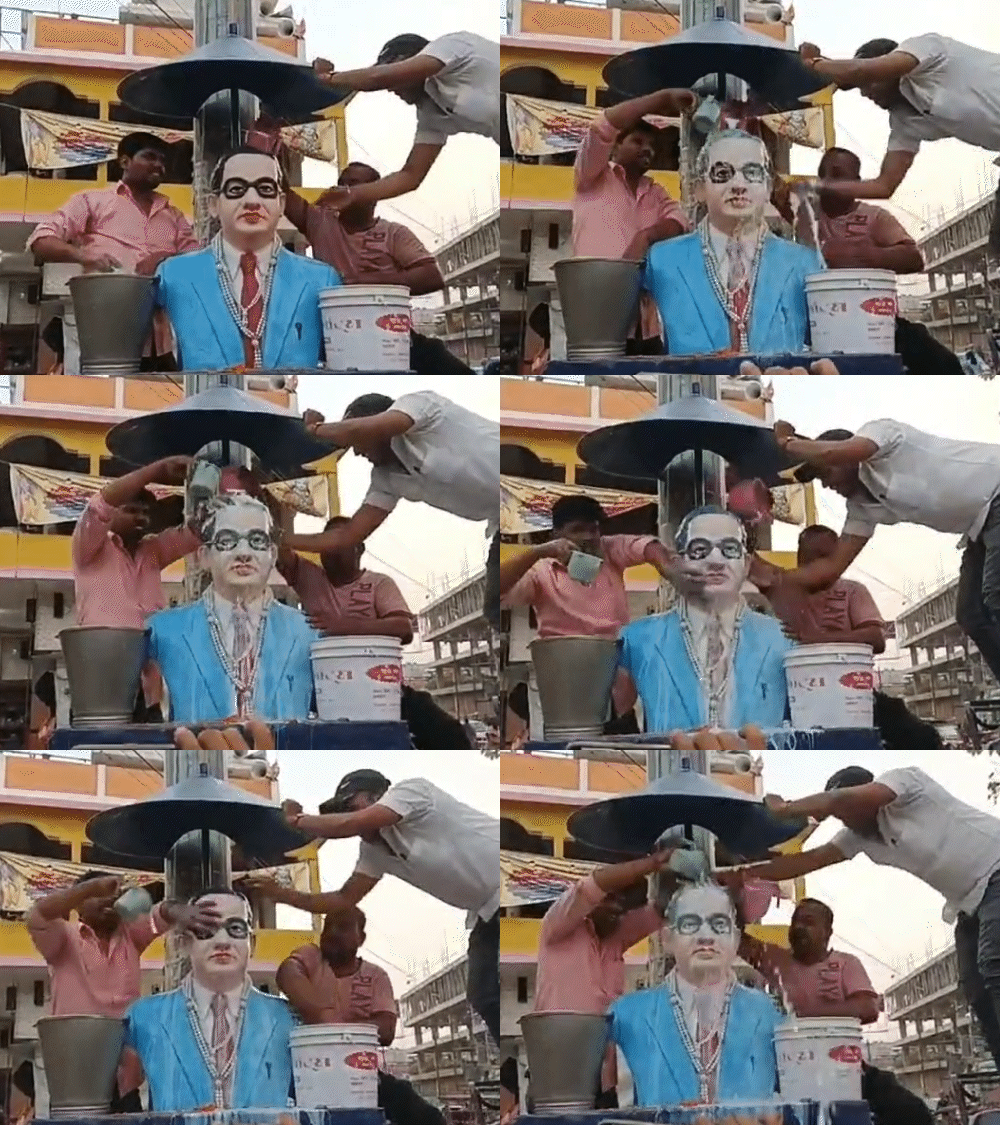
People are trained to believe, not to think.
Vivekananda’s Direct Response to This Pattern
Vivekananda’s criticism was not selective. He did not target one religion or one group. He targeted a mindset.
For him, the problem begins when belief replaces reasoning.
He clearly identified superstition as one of the biggest obstacles to progress. He understood that superstition is not just about rituals or myths. It is about surrendering the ability to question.
When people stop asking “why,” they become easy to control.
This is exactly what can be observed today. Whether it is miracle claims, fear-based messaging, or rigid ideological teaching, the goal is often the same. Reduce questioning. Increase dependence.
Vivekananda rejected this completely.
Religion vs Performance
Another major difference between Vivekananda’s thinking and modern practice is the way religion is expressed.
Today, religion is often visible, loud, and performative. It is about public identity, symbols, and group belonging. It is displayed more than it is understood.
Vivekananda’s definition is very different. He said religion is realization. This means it is internal. It is about understanding, not display.
This creates a direct conflict.
Modern religion often rewards visibility. Vivekananda valued depth.
Modern systems often encourage conformity. Vivekananda encouraged individuality.
The Caste System: A Problem Still Alive
Vivekananda openly challenged caste discrimination. He separated it from spirituality and identified it as a social construct.
But in today’s India, caste continues to influence major aspects of life. Marriage, social acceptance, opportunities, and even religious access are still shaped by caste.
This shows a clear contradiction.
People respect Vivekananda’s image but ignore his criticism.
Because accepting his criticism would require changing the system.

Food, Morality and Distraction
Modern debates around food have become intense and often emotional. People are judged based on what they eat. Food is linked to morality, identity, and even nationalism.
Vivekananda rejected this approach.
He believed that strength and character matter more than dietary labels. He focused on physical and mental development, not symbolic purity.
This again shows the gap between his thinking and current reality.
Instead of focusing on real issues like education, health, and rational thinking, society often gets distracted by symbolic debates.
Why Blind Belief Continues to Grow
Blind belief grows because it is convenient.
It gives people:
- Simple answers to complex problems
- Emotional comfort
- A sense of belonging
- Relief from responsibility
Thinking, on the other hand, is difficult. It requires effort. It creates doubt. It challenges identity.
This is why Vivekananda’s approach is admired in theory but avoided in practice.
If Vivekananda Observed India Today
If Vivekananda were to look at present-day India, he would not ask which religion is correct.
He would ask whether people are thinking.
He would see:
- Large gatherings driven by belief, not understanding
- Leaders gaining influence without accountability
- Social systems continuing despite criticism
- Individuals choosing comfort over truth
And his conclusion would likely remain the same.
Without rational thinking, society cannot progress.
The Real Problem
- India does not lack religion.
- It does not lack tradition.
- It does not lack belief.
- What it lacks is the integration of reason into belief.
- This is the gap Vivekananda tried to address.
- And this is the gap that still exists.
The Choice People Avoid
The easiest thing is to respect Vivekananda.
The hardest thing is to follow what he actually said.
Because following him requires:
- Questioning authority
- Challenging social norms
- Rejecting blind belief
- Thinking independently
This is uncomfortable. And that is why most people avoid it.
The question is not whether Vivekananda is relevant today.