
International Atheist Day: Remembering Indian Atheist Rationalists Who Paid the Price for Questioning Belief
A Day Not of Celebration, But Reflection
International Atheist Day is often misunderstood. It is not just a day to talk about disbelief in religion. It is a day to reflect on courage. A day to remember those who chose to question deeply rooted beliefs, even when it came with risk. Around the world, and even in India, people who challenged superstition, blind faith, and religious extremism have often faced threats, violence, and sometimes death.
In India, a country that constitutionally guarantees freedom of thought and expression, there have still been moments where that freedom has been tested. The stories of rationalists and critics who lost their lives are not just tragic incidents. They are reminders of how difficult it can be to stand for reason in a society where belief is deeply personal and often politically sensitive.
Why Their Stories Matter Today
The individuals we remember today were not just atheists in a personal sense. They were public thinkers. They were writers, activists, journalists, and reformers who used their voice to question practices that they believed harmed society. Their work was not about attacking people. It was about challenging systems of thought that they felt promoted inequality, fear, or exploitation.
Their deaths are often discussed in political debates. But beyond politics, their lives tell a more important story. They represent the struggle between reason and fear, between questioning and silence, between reform and resistance.
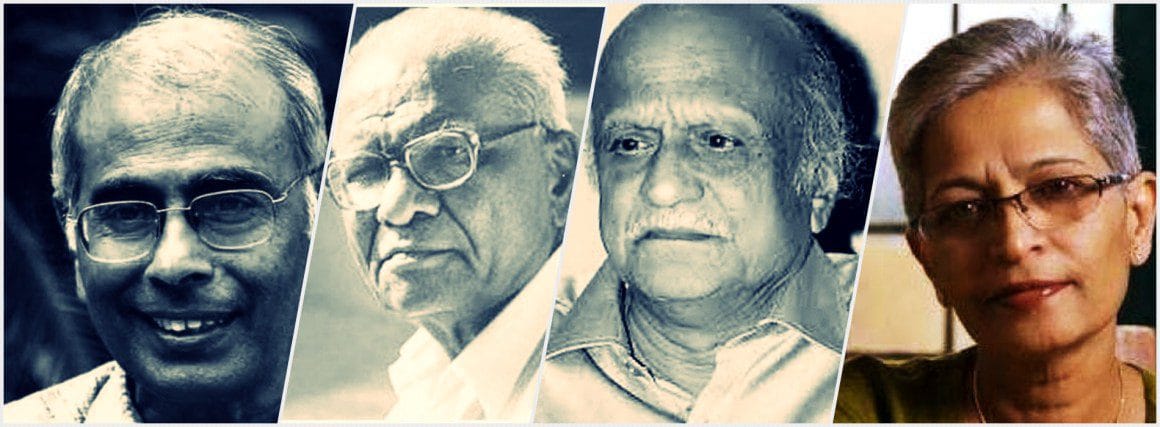
Narendra Dabholkar: Fighting Superstition Through Law and Awareness
Narendra Dabholkar was one of the most prominent anti-superstition activists in India. He founded the Maharashtra Andhashraddha Nirmoolan Samiti, an organization dedicated to eradicating blind faith and fraudulent practices.
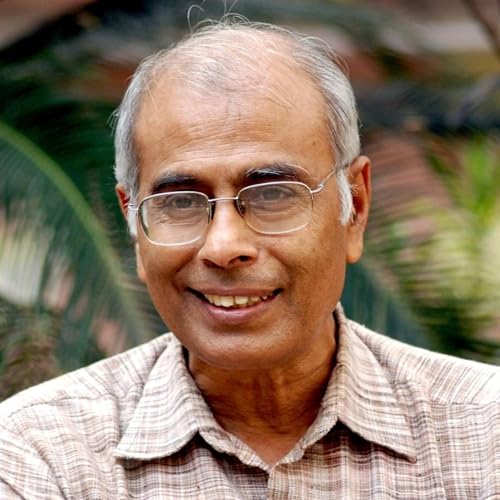
For years, he campaigned for a law against superstition and black magic. His work focused on protecting vulnerable people from exploitation by self-proclaimed godmen and fraudulent healers. He believed that scientific thinking and rational inquiry were essential for a healthy society.
In 2013, he was shot dead in Pune. His death shocked the nation, but it also led to the eventual passing of the anti-superstition law he had fought for. Even in death, his work continued to shape policy.
Govind Pansare: Linking Social Justice with Rational Thought
Govind Pansare was not only a rationalist but also a social reformer who connected issues of superstition with broader questions of inequality and justice. He wrote extensively and spoke openly about how blind faith can reinforce social hierarchies.
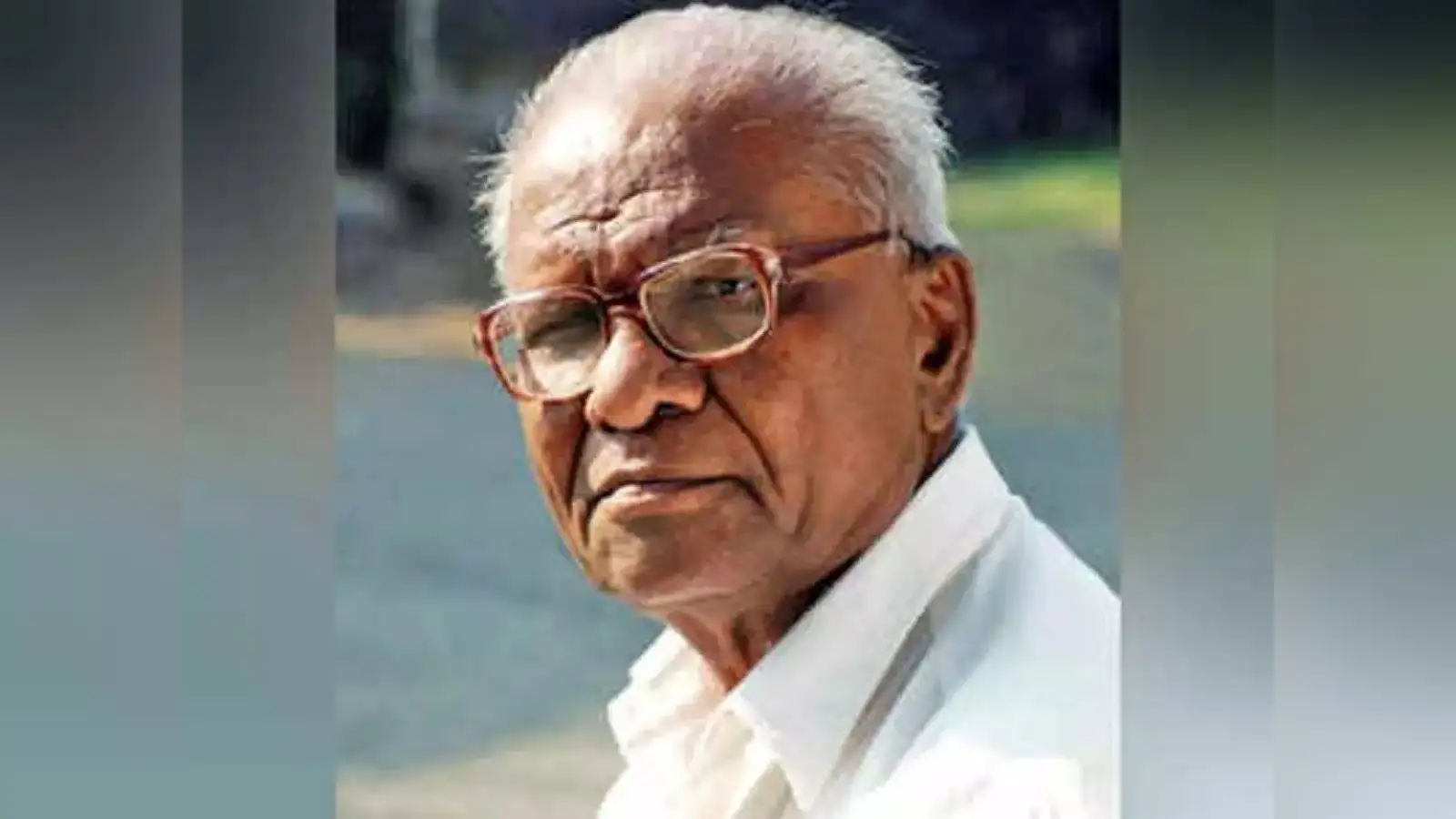
He was known for making complex ideas accessible to ordinary people. His speeches and writings encouraged critical thinking among the masses.
In 2015, he was shot and later died from his injuries. His death was part of a pattern that raised serious concerns about the safety of outspoken intellectuals in India.
M. M. Kalburgi: Challenging Tradition from Within
M. M. Kalburgi was a respected scholar and academic who questioned certain traditional practices and beliefs. Unlike many activists, he came from within the cultural and scholarly establishment, which made his criticism even more significant.

He argued for reinterpretation of traditions in a modern context and encouraged open debate.
In 2015, he was shot dead at his home. His killing sent a chilling message to academics and thinkers who engage with sensitive topics.
Gauri Lankesh: Journalism as Resistance
Gauri Lankesh was a journalist who used her platform to speak against extremism, misinformation, and hate politics. She believed that journalism should challenge power, not serve it.
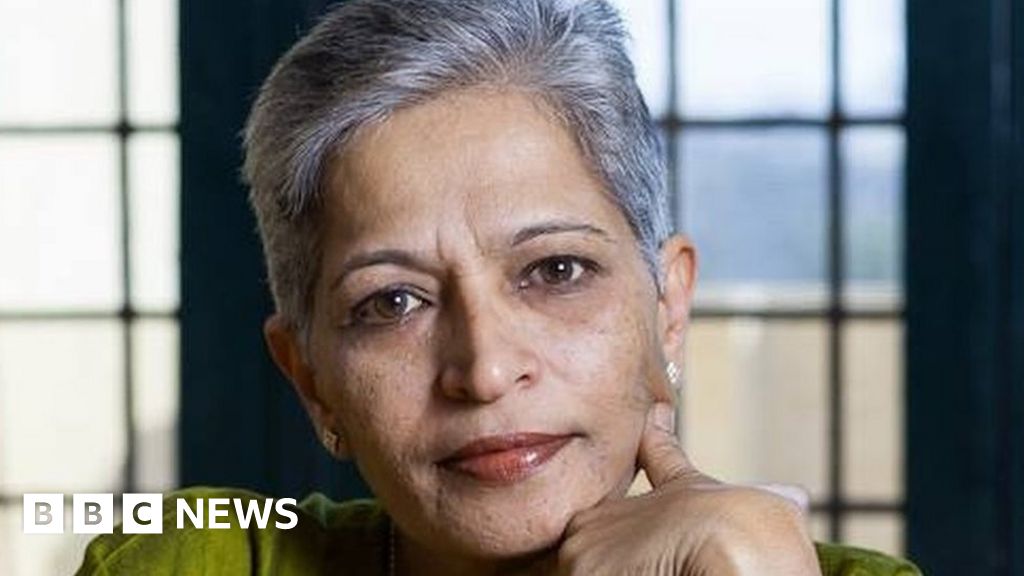
Her writing often focused on exposing divisive narratives and defending secular values.
In 2017, she was shot outside her home in Bengaluru. Her death sparked national outrage and brought attention to the risks faced by independent journalists.
H. Farook: A Voice from Within Society
H. Farook, Ex Muslim Atheist from Tamil Nadu, represents a different kind of story. He was not a nationally known figure like the others, but his case is equally important.
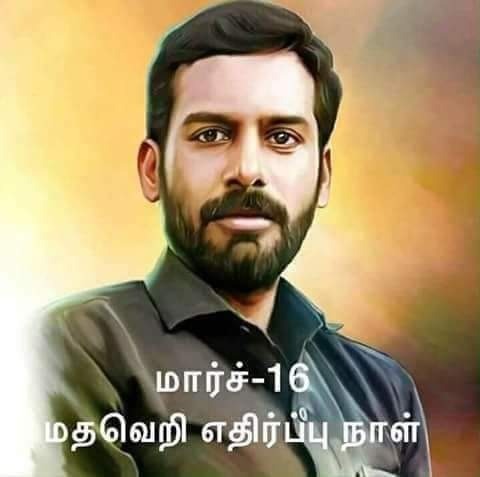
He openly expressed his atheist views on social media after leaving religion. His posts challenged religious beliefs and promoted rational thinking.
In 2017, he was killed in Coimbatore. Reports indicated that his views had angered individuals who saw his ideas as offensive.
His story highlights that the risks are not limited to public intellectuals. Even ordinary individuals can face consequences for expressing dissenting beliefs.
A Pattern of Risk: Not a Single Ideology, But Extremism Itself
When we look at these cases together, one thing becomes clear. The threat does not come from a single direction. It comes from intolerance. Whether it is right-wing extremism, religious radicalism, or any form of rigid ideology, the result is the same.
People who question are seen as threats.
People who think differently are targeted.
This is not just a political issue. It is a societal challenge.
Their Contribution to Society: Why They Still Matter
These individuals did not just criticize religion. They contributed to society in meaningful ways:
- They promoted scientific thinking and education
- They exposed fraud and exploitation
- They encouraged critical debate and discussion
- They defended freedom of expression
- They inspired others to think independently
Their work helped create awareness, influence laws, and shape public discourse.
The Real Meaning of International Atheist Day
International Atheist Day is not about rejecting religion. It is about defending the right to question. It is about protecting freedom of thought.
It reminds us that:
- Belief should be a choice
- Doubt should not be punished
- Debate should not lead to violence

A Responsibility, Not Just a Memory
Remembering these individuals is not enough. The real responsibility lies in protecting the values they stood for.
A society that cannot tolerate questions cannot grow.
A democracy that cannot protect dissent cannot survive.
Their stories are not just about the past. They are about the present and the future.
And the question remains:
Will we create a society where ideas can be challenged safely, or one where silence becomes the only safe option?
Support Independent Journalism
If you like our work and value deep, honest, and unfiltered reporting like this, consider supporting us. Your contribution helps us continue independent journalism.