
Ideology vs Votes: How 2007 Exposed Communist Appeasement in West Bengal
When Ideology Faces Pressure
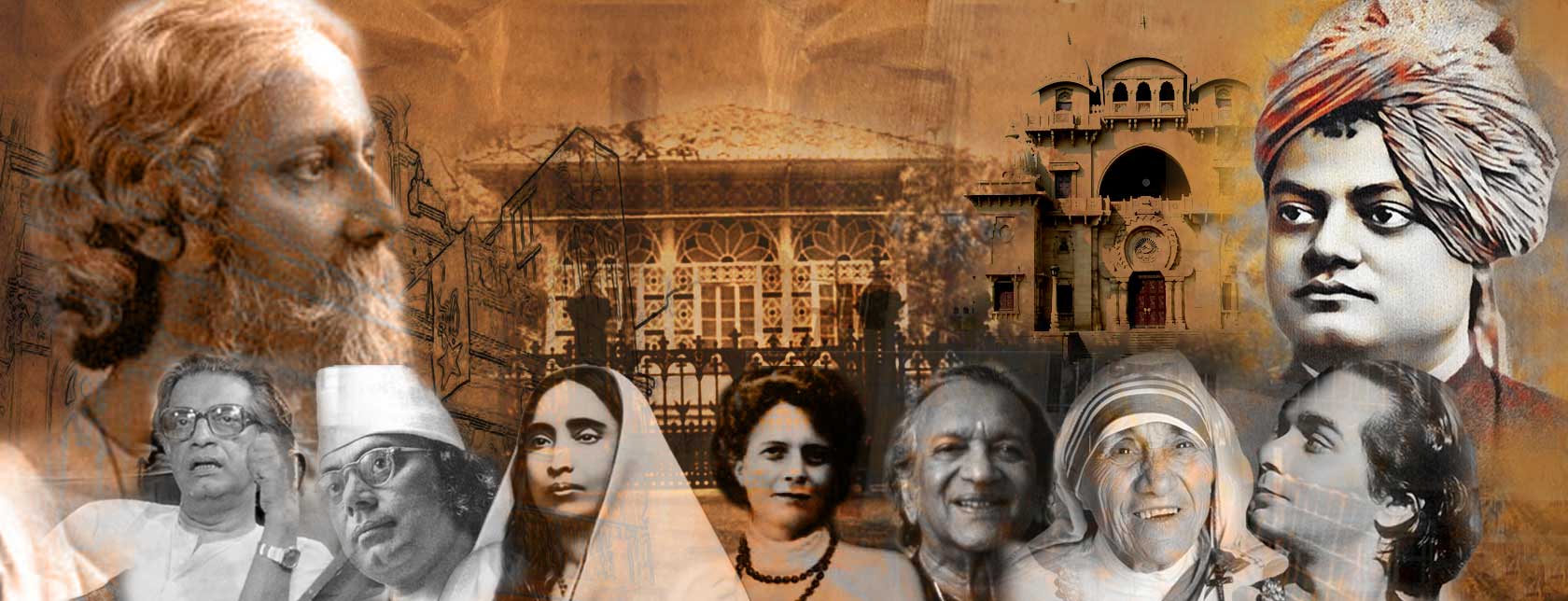
For decades, West Bengal represented something unique in India’s political and cultural landscape. It was not just governed by the Left, it was shaped by an intellectual tradition that valued questioning, debate, and rational thought. The Communist leadership, especially under the Left Front, repeatedly emphasized atheism, secularism, and the rejection of religious authority in public life. Karl Marx’s famous statement that religion is the opium of the people was not just quoted, it was internalized into political identity.
But ideology only holds value when it survives pressure.
In 2007, that pressure arrived in Kolkata in a form that tested the very foundation of that identity. What followed was not just a political decision, but a moment that exposed the limits of ideological commitment when confronted with unrest, fear, and electoral calculations.
The 2007 Crisis: Protest, Pressure, and Political Retreat
Rising Tension Around Taslima Nasreen
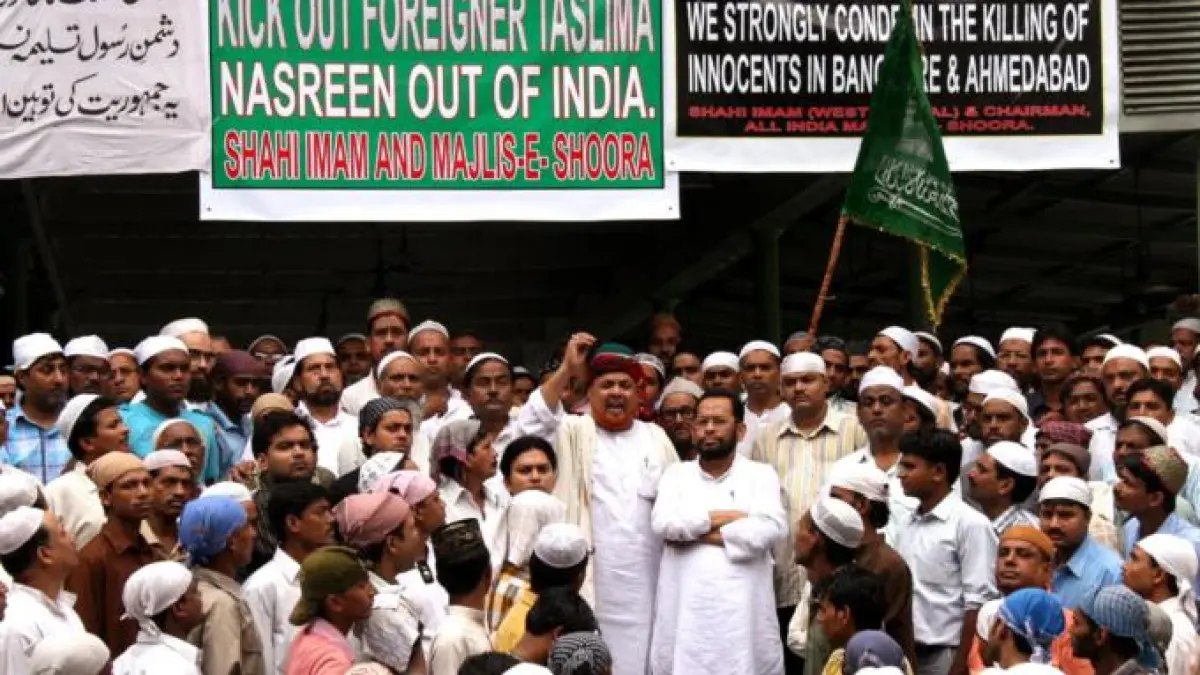
Taslima Nasreen an atheist and ex Muslim refugee had long been a controversial figure due to her criticism of religious orthodoxy, especially within Islam. Her presence in Kolkata symbolized the city’s tradition of sheltering writers and thinkers. However, in November 2007, protests erupted against her writings.
These protests were not limited to peaceful expression. They involved organized mobilization by Islamist groups, including sections influenced by hardline Wahhabi-Salafi ideology. Streets in Kolkata witnessed violence, public disruption, and an atmosphere of escalating tension. The administration was under visible pressure to act quickly.
At that moment, the government had a choice that would define its credibility.

The Decision: Removal Instead of Resistance
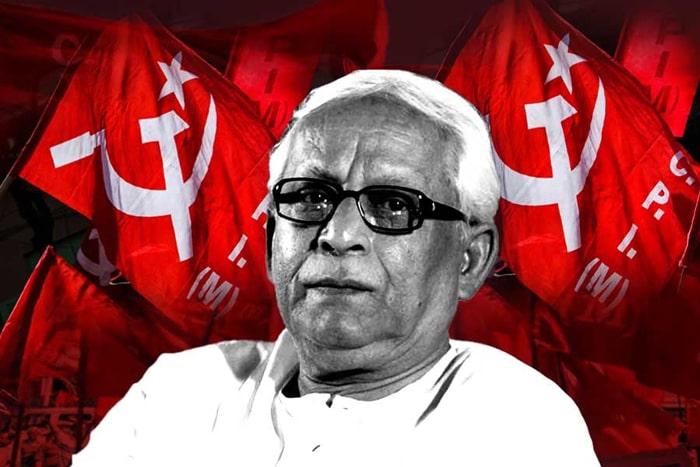
The state government, led by Buddhadeb Bhattacharjee, chose to remove Taslima Nasreen from Kolkata. The decision was framed as necessary to maintain law and order.
But this explanation raises a deeper issue.
Why was the responsibility shifted onto the individual under threat instead of those creating the threat? Why did the state not firmly defend free expression, especially when that was part of its claimed ideological foundation?
This is where the concept of appeasement enters the discussion.
Appeasement Politics: Stability at the Cost of Principle
Appeasement, in political terms, refers to the act of conceding to demands or pressure from a group to avoid conflict, often at the cost of long-term principles.
In 2007, the West Bengal government appeared to take this route.
Instead of confronting radical elements within the protesting groups, including Islamist hardliners influenced by Wahhabi-Salafi thought, the state chose to neutralize the situation by removing the writer who had become the focal point of controversy.
This was not an isolated administrative decision. It reflected a broader political calculation.
Vote Bank Politics: The Silent Driver Behind Decisions
West Bengal’s demographic reality meant that any large-scale unrest involving religious groups could have significant political consequences. The leadership was aware of this. The risk of escalation, combined with electoral considerations, created a situation where the easiest path was chosen.
The calculation was simple, even if it was not openly stated.
- Confront the protesters and risk wider unrest
- Or remove the issue and maintain short-term peace
The government chose short-term peace.
But this peace came at a cost.
It came at the cost of ideological consistency.
It came at the cost of intellectual credibility.
It came at the cost of public trust.
Selective Secularism: When Equality Becomes Conditional
One of the most lasting impacts of the 2007 incident was the perception of selective secularism.
The Left had historically taken strong positions on:
- Critiquing Hindu orthodoxy
- Promoting rationalism
- Challenging religious influence in public life
However, when faced with protests rooted in Islamist sentiments, the response appeared cautious and restrained.
This created a perception that:
- Some forms of religious criticism were acceptable
- Others were politically sensitive
- Secularism was not being applied uniformly
Once such perceptions take hold, they weaken the moral authority of any political ideology.

The Broader Pattern: Not Limited to the Left
To understand the full picture, one must step beyond West Bengal.
Appeasement and vote bank politics are not limited to one ideology.

The BJP and Hindutva Vote Bank Politics
The BJP, often associated with Hindutva politics, presents itself as a defender of cultural identity. However, its approach also changes based on electoral realities.
In states like Uttar Pradesh:
- Strong emphasis on cow protection
- Strict stance on beef consumption
- Religious identity becomes a central political tool
But in states like Kerala, Tamil Nadu, and parts of the Northeast:
- Greater flexibility is visible
- The same issues are not pushed with equal intensity
- Local sensitivities influence political messaging
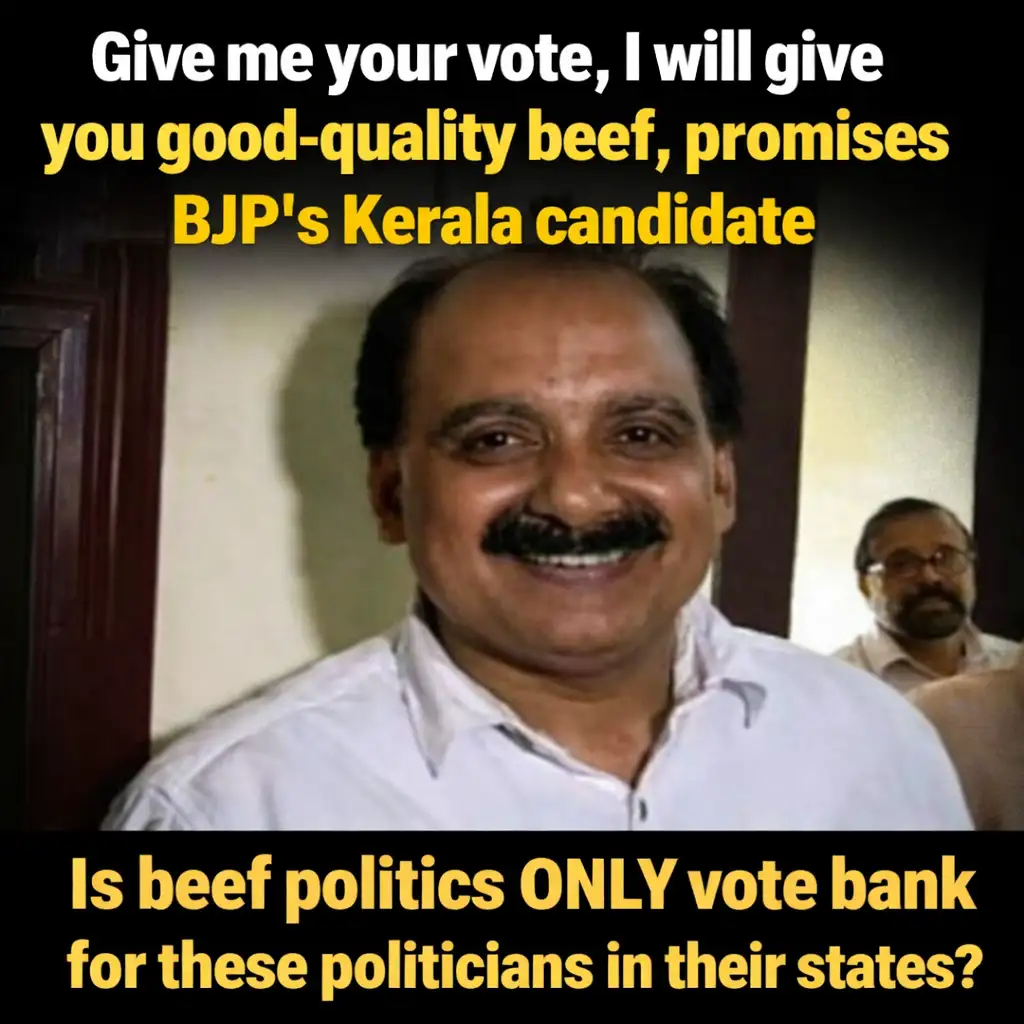
This demonstrates that political adaptability is not unique to one party ,Read our detailed article on beef politics.
A Systemic Problem: Different Parties, Same Strategy
Across India, a pattern becomes visible:
- Left parties adjust under pressure from Islamist groups
- Right-wing parties adjust under Hindutva-driven vote bank considerations
- Regional parties adapt based on local caste, religion, or identity dynamics
This is not accidental.
It is structural.
Politics becomes less about ideology and more about managing reactions.
The Danger of Appeasing Extremism
This is where the issue becomes serious.
When governments choose appeasement over principle, especially in response to radical or extremist pressure, they create long-term risks.
It legitimizes pressure tactics
Groups learn that organized outrage can influence decisions.
It weakens free speech
Writers and thinkers begin to fear consequences.
It encourages radical elements
Moderate voices get sidelined, while extreme voices gain visibility.
It creates unequal standards
Different groups receive different responses based on political weight.
It erodes public trust
People begin to see politics as selective and inconsistent.
The Intellectual Cost: Fear Replaces Debate
West Bengal once stood for open intellectual debate. The events of 2007 marked a shift.
When a state fails to protect a controversial voice, it sends a message that certain ideas are unsafe. This leads to self-censorship. People begin to avoid sensitive topics, not because they lack conviction, but because they lack protection.
Over time, this weakens the intellectual fabric of society.
Why This Matters for a Secular Democracy
A secular democracy cannot function on selective principles.
If:
- Free speech depends on who is being criticized
- Law enforcement depends on who is protesting
- Political decisions depend on vote bank calculations
Then secularism becomes symbolic, not real.
True secularism requires equal application of law, equal protection of speech, and equal resistance to pressure from all sides.

From Religion as Opium to Votes as Power
Karl Marx described religion as the opium of the people.
But in modern political systems, something else often plays that role.
Votes.
Votes influence decisions more than ideology. They determine when principles are upheld and when they are compromised. They shape how governments respond to pressure, whether from Islamist groups, Hindutva mobilization, or any other form of identity politics.
The events of 2007 in West Bengal were not just a political incident. They were a reflection of a deeper reality.
A reality where appeasement replaces courage.
Where vote bank politics overrides ideology.
Where short-term stability is chosen over long-term integrity.
The real question is not what happened in 2007.
The real question is whether anything has changed since then.
Because if it has not, then the same pattern will continue, and each time, the cost will be higher for society, for free speech, and for the idea of a truly secular nation.

Sources & References
This article is based on publicly reported events, verified news coverage, and human rights reports related to the 2007 Taslima Nasreen controversy and broader debates on free speech and political decision-making in India.