
Is This Freedom of Speech in India?
Defamation, Power, and the Rise of Independent Voices

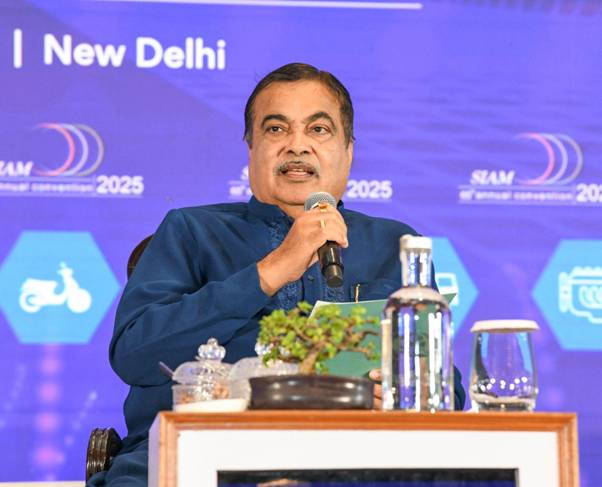
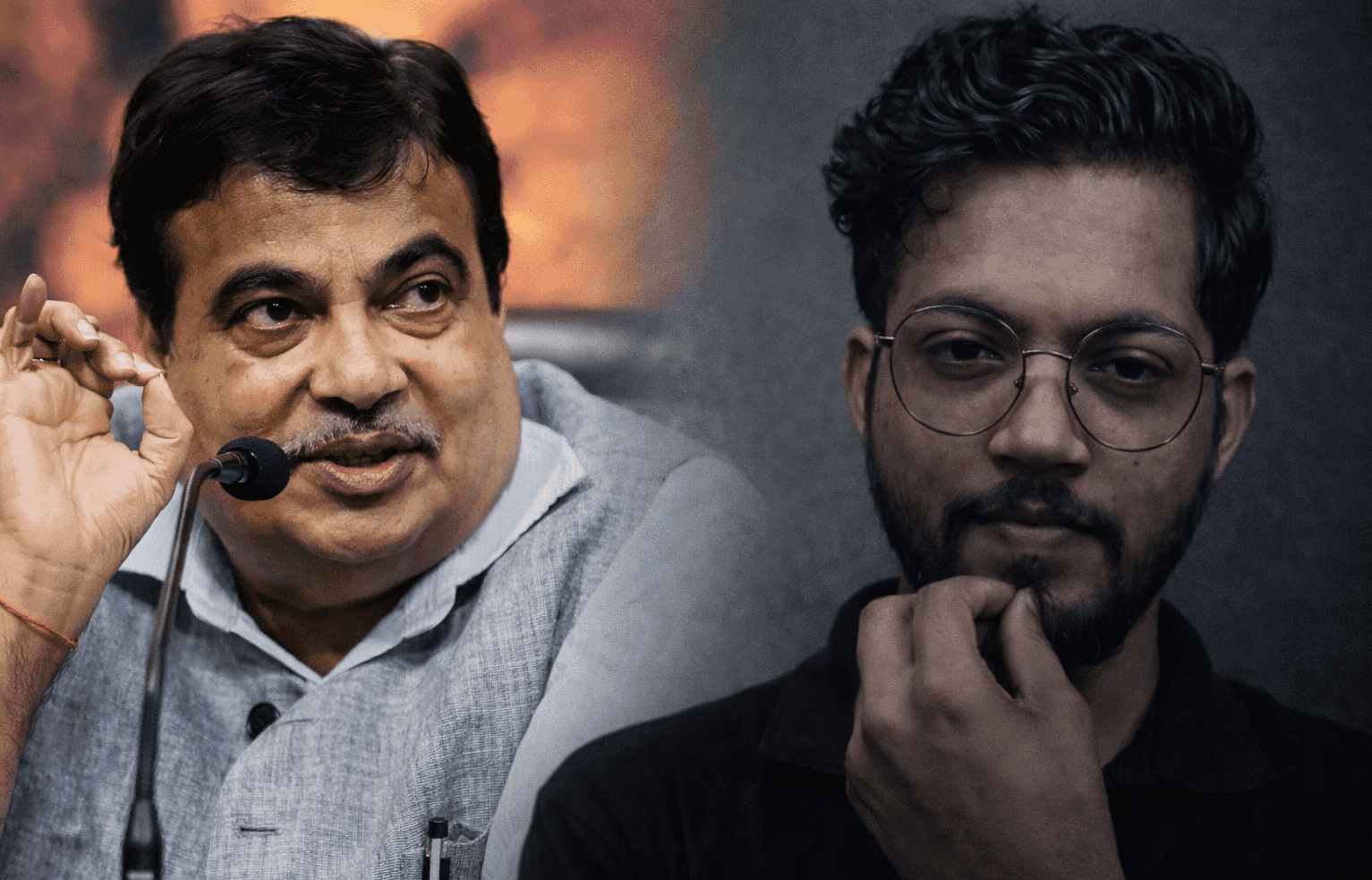
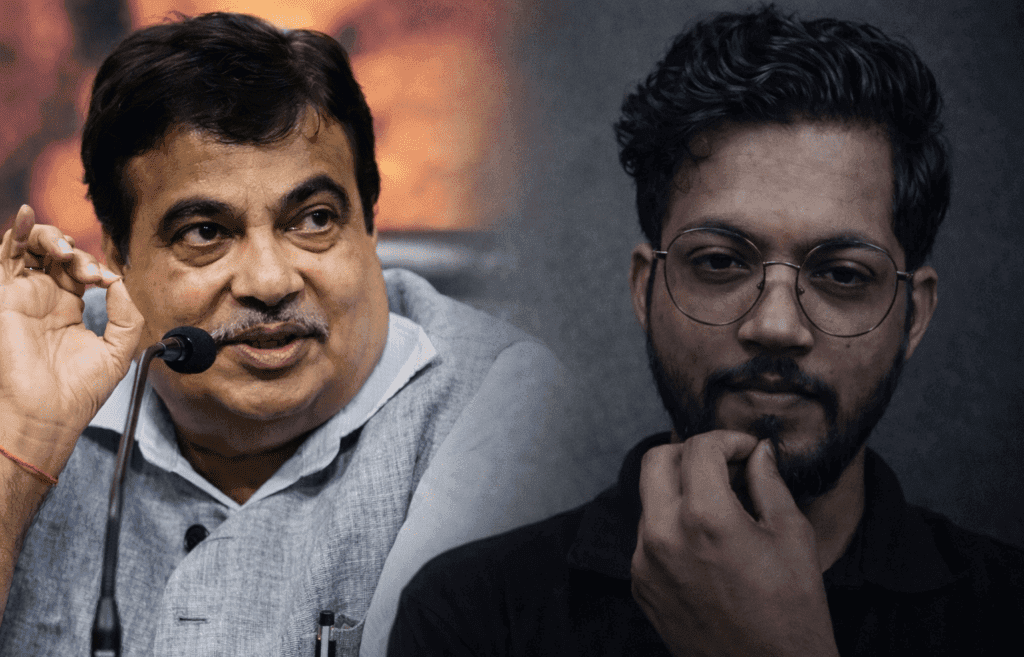
In recent days, a serious controversy has emerged involving Nitin Gadkari and a content creator, Mukesh Mohan.
At the center of this issue is a video created by Mukesh Mohan. That video was based on a report published by The Caravan, which allegedly discussed links between a company and the beef trade.
Following this, Mukesh Mohan claims he has received a ₹50 crore defamation notice, along with alleged police action and pressure. (Mooknayak)
This situation has now triggered a much bigger national debate. Not just about one case, but about freedom of speech, media power, and the role of independent creators in India.
What Exactly Happened?


According to available reports:
- Mukesh Mohan created a video summarizing a Caravan investigation
- After that, he claims:
- A ₹50 crore defamation notice was sent
- A police FIR was initiated in Nagpur
- His phone was seized
- Even his family members were contacted by police (Mooknayak)
However, there is an important detail that cannot be ignored:
The FIR is not publicly confirmed with official documents
Most claims about harassment come from his own statements
This makes the case partially verified but not fully proven.
The Key Question Nobody Is Answering
Here is where the real issue begins.
If the video was based on a report published by The Caravan, then logically:
Why is the legal action focused on a content creator?
Why not directly challenge the publication that wrote the original report?
This is not a small detail. This is the core of the controversy.
Because:
- The Caravan is the source of the information
- Mukesh Mohan is only the amplifier of that information
This creates a perception that the action is not about correcting information, but about controlling its spread.
Social Media Reaction and Public Mood
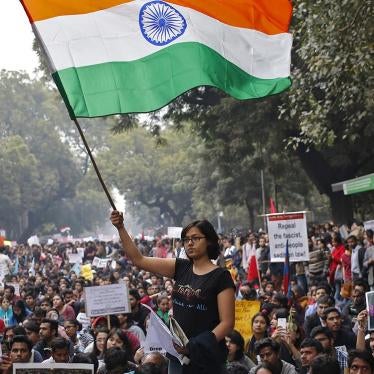
The issue has started trending across platforms like X (Twitter) and Instagram.
Many users are saying:
“He just explained an existing report, why target him?” (X (formerly Twitter))
Others are framing it as:
“A ₹50 crore case to silence a small creator” (X (formerly Twitter))
At the same time, some people are defending legal action, saying:
- If content harms reputation, legal steps are justified
- Creators must verify before publishing
So the public is clearly divided into two sides:
Side 1
- Sees this as suppression of independent voices
Side 2
- Sees this as legitimate legal defense against defamation
The Rise of Independent Journalism
India is going through a major shift.
Traditional media is no longer the only source of information.
Today:
- YouTubers
- Instagram creators
- Independent journalists
are becoming primary sources of news for millions.
This is happening because many people feel that:
- Mainstream media avoids tough questions
- Debates are replacing real journalism
- Serious issues are often ignored
Because of this gap, independent creators are filling the space.
They are not just entertainers anymore.
They are becoming informal journalists of the digital age.
The Fear Factor

Now comes the most serious concern.
Even if the legal action is technically valid, the impact matters.
When a powerful political figure takes legal action against a small creator:
- It creates fear
- It discourages others from speaking
- It shifts the conversation from truth to survival
This is how pressure works in real life.
Not always through censorship, but through legal intimidation.
Freedom of Speech vs Defamation Law
India does guarantee freedom of speech.
But it also allows restrictions, including defamation.
So both things are true:
✔ People have the right to speak
✔ Others have the right to protect their reputation
But the real issue is balance.
When power is unequal:
- One side has legal teams, influence, resources
- The other side has only a platform and a voice
That is where the system is tested.
Final Analysis: What This Case Really Shows
This is not just about:
- Nitin Gadkari
- Mukesh Mohan
This is about a larger shift in India.
A shift where:
- Information is no longer controlled by big media alone
- Ordinary individuals can question power
- And power is now reacting to that shift
The Hard Question
If a creator speaks based on an existing report,
should he face massive legal consequences alone?
Or should the focus be on verifying and challenging the original source?
The Reality
- This case is not fully proven from all sides yet
- It is also not fake
- It is a live conflict between power and digital speech
Everything you need to know about this case is here. Don’t miss it