
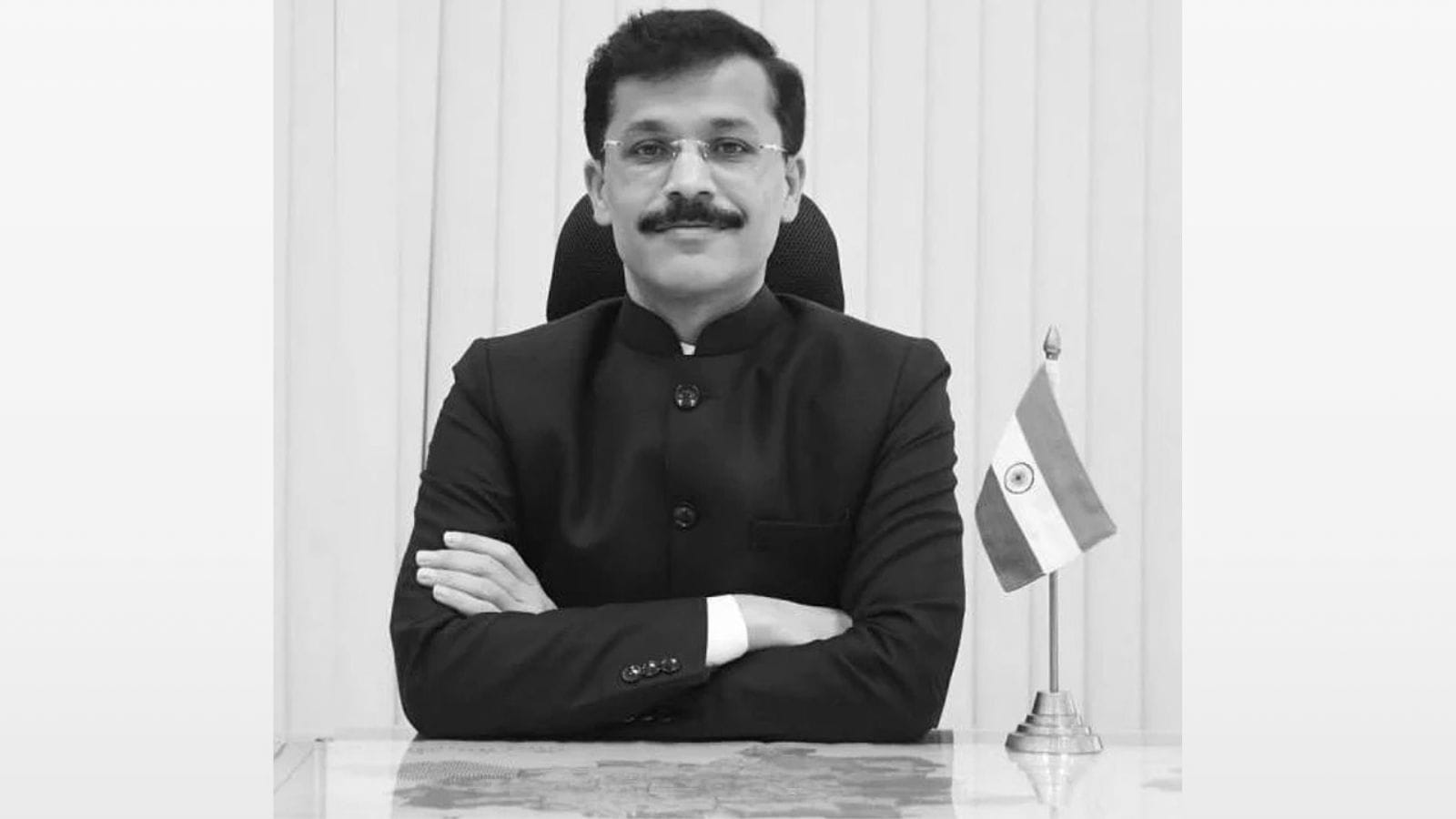
Tukaram Munde built his reputation in Maharashtra through strict, action-driven governance that directly challenged corruption and inefficiency. In cities like Navi Mumbai, Pune, and Nagpur, he took on inflated contracts, irregular tenders, and misuse of public funds, often cancelling or reviewing deals that benefited powerful contractor networks. He enforced discipline inside government offices by cracking down on absenteeism and inefficiency, which created resistance among staff unused to such accountability. Munde also acted against illegal constructions and encroachments, targeting builder lobbies with strong political backing. During the COVID-19 crisis in Nagpur, he imposed strict administrative control over healthcare systems and lockdown measures, prioritizing results over political comfort. Later, in the Maharashtra State Road Transport Corporation, he focused on reducing financial losses and internal corruption, again facing pushback from unions and internal groups. Across all these roles, one pattern remained clear: wherever he enforced rules without compromise, he faced pressure from political interests, contractors, and even within the bureaucracy itself, leading to repeated transfers. His tenure in Maharashtra shows that his removals were not due to failure, but a direct consequence of challenging systems that were comfortable with inefficiency and corruption.
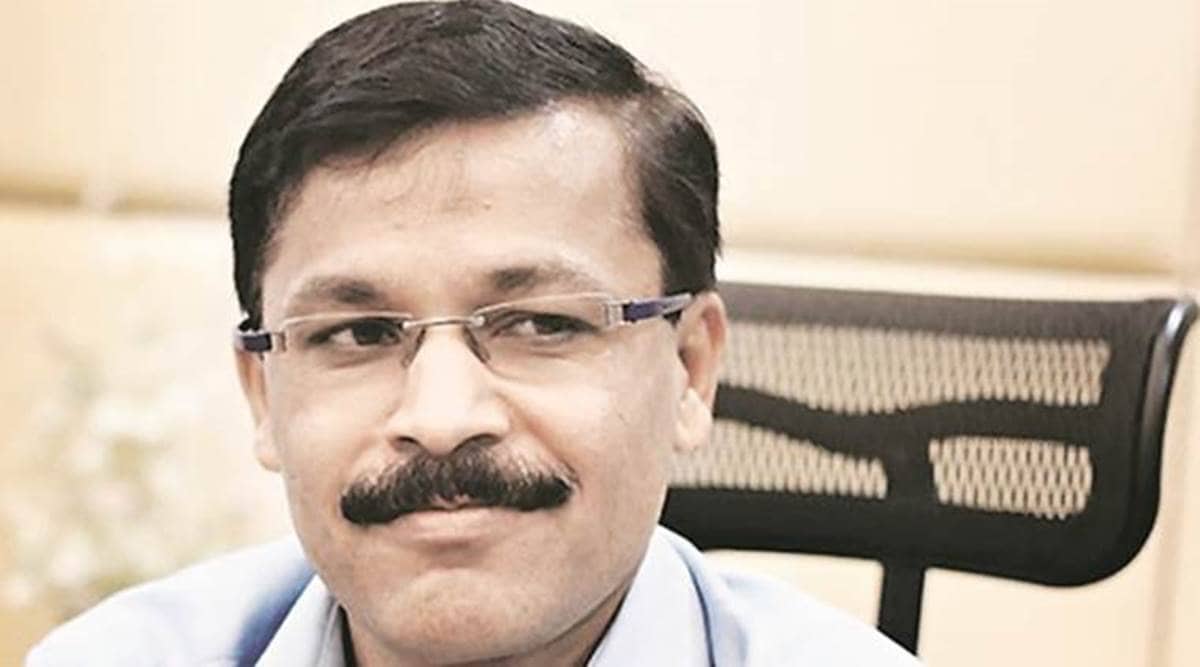
India does not lack honest officers. It lacks a system that allows them to survive.
At the center of this contradiction stands Tukaram Munde, a bureaucrat whose career has become a case study in how governance reacts to integrity. Twenty-four transfers in twenty-one years is not just a statistic. It is evidence.
Evidence of friction.
Evidence of resistance.
Evidence of a system that often treats honesty as disruption.
This is not a story about one officer. It is about the structure that keeps producing such stories.
The Pattern Behind 24 Transfers
Transfers in the Indian bureaucracy are often explained as administrative necessity. But when an officer is moved repeatedly within short spans, the explanation becomes harder to defend.
Munde’s transfers follow a visible pattern. Wherever he enforced strict financial discipline, questioned irregularities, or disrupted informal power networks, his tenure was cut short.
This is not unusual. It is predictable.
An officer who follows rules strictly becomes a problem in a system that runs on flexibility. That flexibility is often another word for adjustment. And adjustment, in many cases, is a polite word for compromise.
Munde did not compromise.
That is why he was moved.
What He Actually Did: Contribution Beyond Headlines

It is easy to romanticize honesty. It is harder to understand what it looks like in practice.
Munde’s work across postings has consistently focused on three things:
1. Financial Discipline
He enforced strict control over municipal spending and questioned inflated contracts. This directly affected contractor networks that rely on overbilling and informal arrangements.
2. Crackdown on Illegal Practices
From unauthorized constructions to irregular tenders, his approach was simple. If it violates rules, it will not continue.
3. Administrative Accountability
He held government staff accountable in ways that many systems quietly avoid. Attendance, performance, and compliance were not optional under his administration.
These actions may sound routine. In reality, they are disruptive.
Because corruption in governance is rarely dramatic. It is routine, normalized, and deeply embedded.
When someone interrupts that routine, the system reacts.
Why Honest Officers Face Transfers
The targeting of officers like Munde is not random. It follows a clear logic.
Corruption is not just individual wrongdoing. It is often a network. Contractors, officials, local politicians, and intermediaries form ecosystems of mutual benefit.
An honest officer breaks that ecosystem.
And when a system is built on interconnected interests, removing one honest officer is easier than dismantling the network.
So the system does not confront him directly. It relocates him.
Transfer becomes a tool of control.
The Rinku Singh Case: When the System Pushes Back Harder

The recent resignation of Rinku Singh Rahi pushes this reality further.
Rahi is not just another bureaucrat. He is a whistleblower who exposed corruption in welfare schemes worth crores. His findings revealed missing records, fake beneficiaries, and large-scale financial irregularities.
For that, he was shot multiple times. He survived.
Years later, as an IAS officer, he continued his fight.
And yet, he resigned.
Reports suggest his resignation came after prolonged administrative neglect and frustration with a system that failed to support anti-corruption action.
Let that sink in.
An officer survives bullets.
But not the system.
Pressure Without Orders: How Control Really Works
One of the biggest myths about governance is that pressure is always visible.
It is not.
No one needs to explicitly say “do not act.”
The system communicates in other ways:
- Delayed approvals
- Lack of support staff
- Sudden transfers
- Isolation within departments
In Rahi’s case, reports indicate he was even left without meaningful work for months.
This is not inefficiency. It is a signal.
A signal that resistance has consequences.
Why Governments Target IAS Officers
This is the uncomfortable part.
Governments, regardless of party, often prefer predictability over disruption. An officer who follows informal expectations ensures smooth functioning of political priorities.
An officer who insists on strict legality introduces friction.
That friction can:
- Delay projects
- Expose financial irregularities
- Challenge political decisions
- Create public controversy
In a system driven by speed, optics, and control, such friction is inconvenient.
So the system adapts.
Not by changing itself, but by moving the officer.
The Psychological Cost of Integrity
Transfers are not just administrative actions. They carry human consequences.
Frequent relocation disrupts:
- Family life
- Career stability
- Long-term policy implementation
Over time, this creates fatigue.
Some officers adapt.
Some compromise.
Some resist.
And some, like Rinku Singh, eventually walk away.
What Munde Represents
Tukaram Munde is not unique because he is honest.
He is unique because he has continued despite the cost.
Every transfer that was meant to weaken his authority has instead strengthened his public image.
Every attempt to sideline him has turned him into a symbol.
But symbols come at a price.
And the question is not whether individuals like Munde can continue.
The question is whether the system can sustain itself while pushing such individuals out.
A System That Needs Reform, Not Heroes
There is a tendency to celebrate individuals like Munde as exceptions.
That is a mistake.
A system should not depend on rare individuals to function honestly. It should make honesty the default.
Right now, it does the opposite.
It makes integrity difficult.
It makes compromise practical.
And it makes resistance costly.
The Real Crisis Is Structural
Tukaram Munde’s story is not inspiring. It is alarming.
Because it tells us that even when the system produces officers who are willing to act with integrity, it does not know how to retain them.
And Rinku Singh’s resignation makes that even clearer.
This is not about one officer being transferred 24 times.
This is about a system that has normalized the idea that honesty must be moved, silenced, or eventually forced out.
Until that changes, the real question is not whether India has honest officers.
The real question is whether it truly wants them.