


India Needs Evolution, Not Revolution: A Practical Path Forward
India today stands at a critical point. The country faces real and serious challenges such as inequality, corruption, unemployment, social division, and governance gaps. These problems affect millions of people and naturally create frustration.
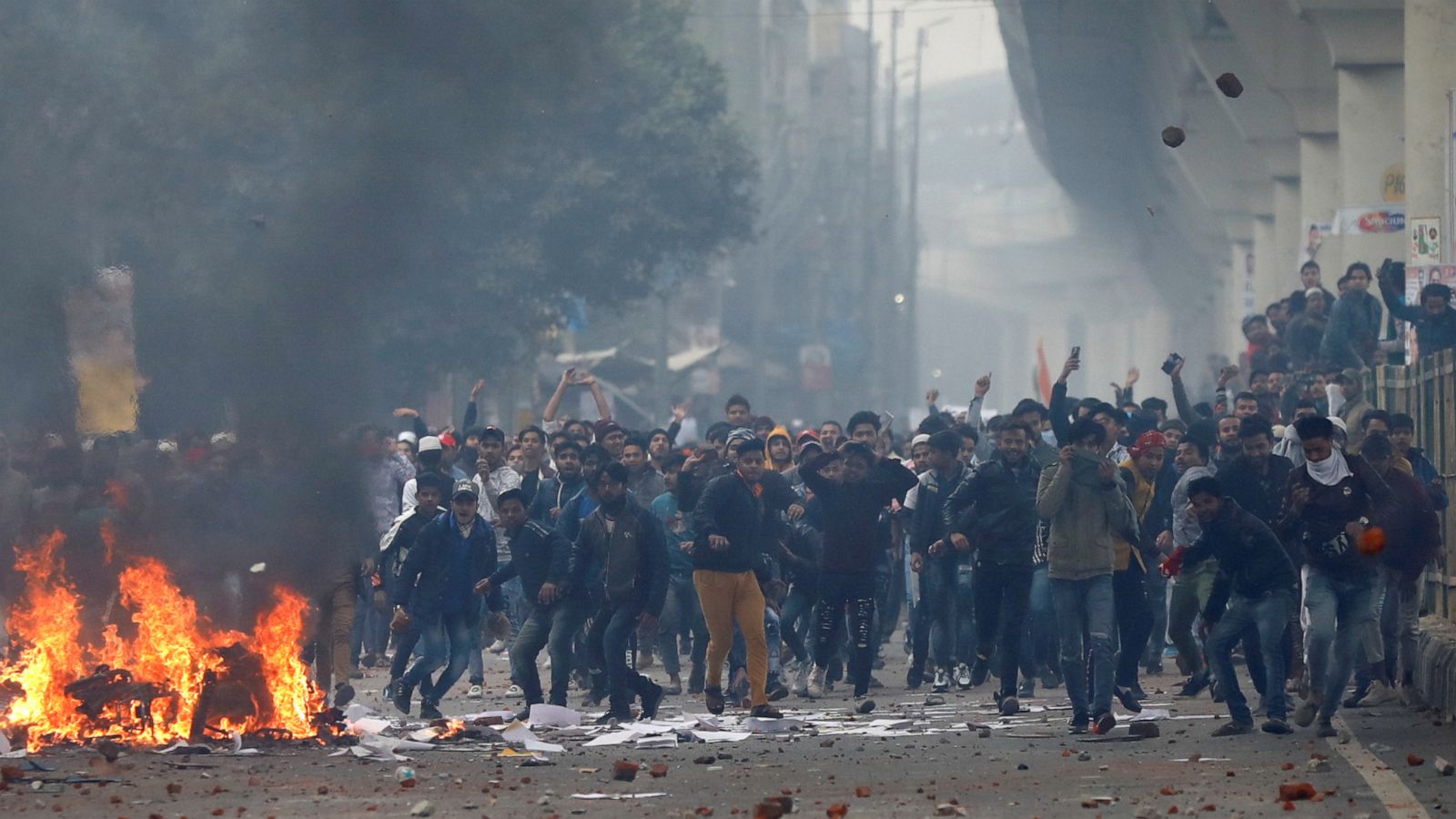
In such an environment, many voices promote the idea of “revolution” as a quick solution. The idea sounds powerful and emotional. It promises instant change. But history and practical reality show that sudden, destructive change often creates more problems than it solves.
India does not need a revolution. India needs evolution.
What Is Evolution in a National Context?
Evolution does not mean slow inaction. It means structured, stable, and continuous reform.
It includes:
- Improving systems instead of destroying them
- Using laws, courts, and democratic processes
- Encouraging debate, accountability, and transparency
- Strengthening institutions over time
Evolution is about fixing what is broken without collapsing everything else.
Why Revolution Often Fails
Revolutions are often driven by anger. But anger alone cannot build stable systems.

Key Risks of Revolution
- Institutional Collapse
When systems are destroyed suddenly, there is no stable replacement ready. - Power Vacuum
Revolutions often replace one ruling group with another, not true equality. - Loss of Freedom
Many revolutions end with restricted speech, strict control, and fear. - Violence and Instability
Short-term chaos can damage long-term growth. - Economic Damage
Businesses, jobs, and investments suffer during unstable transitions.
History across many countries shows a clear pattern. Revolutions promise freedom, but often lead to instability or new forms of control.
Why India Is Not Suitable for Revolutionary Change
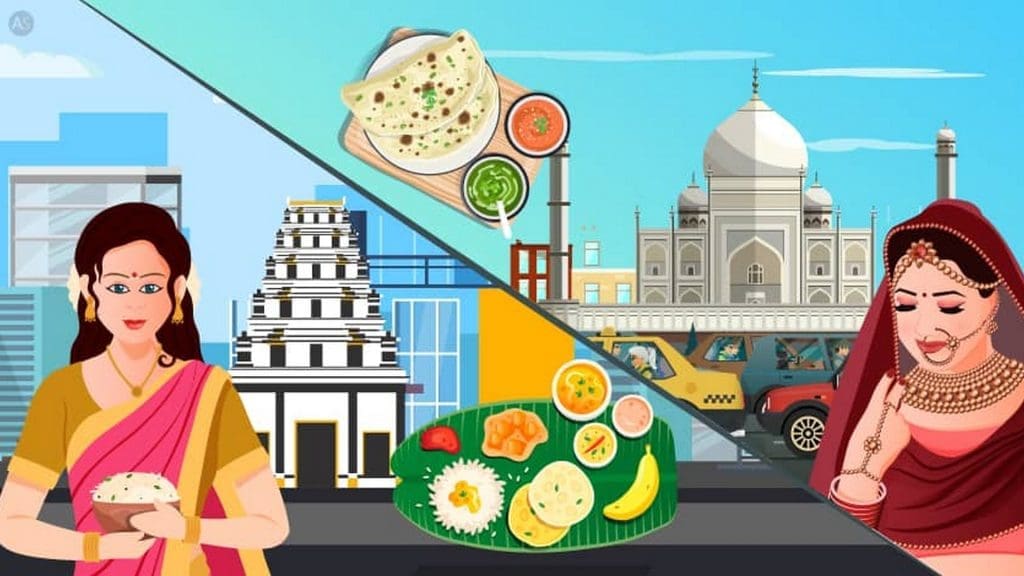
India is not a small or uniform nation. It is one of the most complex societies in the world.
India’s Ground Reality
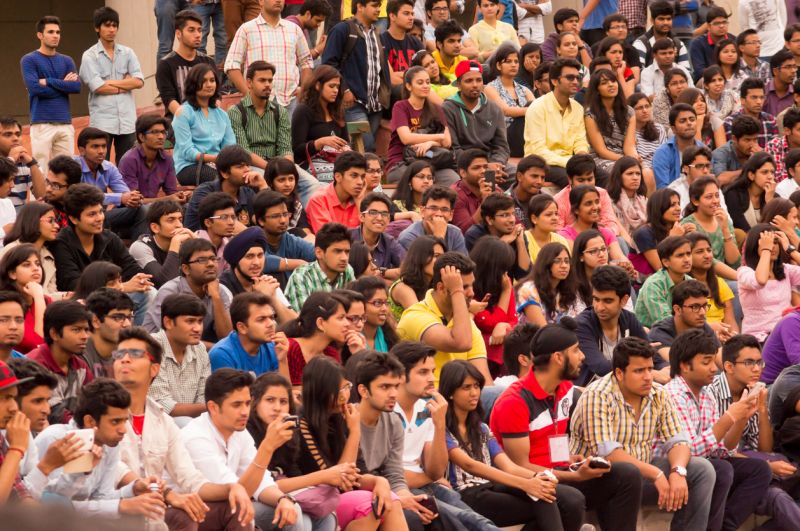
- Over 1.4 billion people
- One of the largest youth populations in the world
- Multiple religions, languages, and cultures
- Deep regional and economic differences
- A functioning democratic system
In such a diverse country, forced and sudden change can create:
- Social conflict
- Regional imbalance
- Breakdown of trust
- Long-term instability
What works in smaller or more uniform countries cannot simply be applied to India.
The Strength of Evolution in India
India already has a strong foundation for gradual progress.
Tools for Evolution Available Today
- The Constitution
- Elections and democratic participation
- Independent judiciary
- Media and public discourse
- Peaceful protests and social movements
- Youth
These tools allow change without destruction.
Where Real Change Comes From
True progress is not loud. It is consistent.
Areas That Drive Long-Term Progress
- Education Reform
Better education creates informed citizens and skilled youth. - Judicial Strengthening
Fair and independent courts ensure justice. - Economic Development
Jobs and growth reduce inequality more effectively than slogans. - Social Awareness
Change in mindset is more powerful than forced compliance. - Institutional Accountability
Strong systems reduce corruption over time.
India’s Youth: A Key Advantage
India has one of the youngest populations in the world. This is a major strength.
But youth energy must be directed properly.
- Anger without direction leads to chaos
- Awareness with responsibility leads to progress
Young citizens must:
- Question everything, but think critically
- Avoid blind support for any side
- Focus on solutions, not just criticism
Lessons from India’s Freedom Movement
India’s independence was not built only on rebellion. It was built on:
- Ideas
- Discipline
- Leadership
- Institutional vision
The goal was not just to remove colonial rule, but to build a system that could last.
That same mindset is needed today.
Evolution vs Revolution: A Clear Difference
| Evolution | Revolution |
|---|---|
| Gradual reform | Sudden change |
| Stable progress | High risk |
| Institutional strength | Institutional collapse |
| Inclusive growth | Often divisive |
| Long-term impact | Short-term disruption |
Remember
India does not need to destroy itself to improve.
It needs to:
- Grow step by step
- Reform intelligently
- Strengthen systems
- Stay united while addressing problems
Revolution may look attractive, but evolution delivers results.
Real change is not about noise. It is about direction, discipline, and consistency.
India’s future will not be built through destruction, but through thoughtful evolution guided by reason, justice, and constitutional values.
Jai Hind
Vande Mataram
Satyameva Jayate


2 Comments