
The Khan Sir Controversy and the Crisis of Trust in Indian Mainstream Media
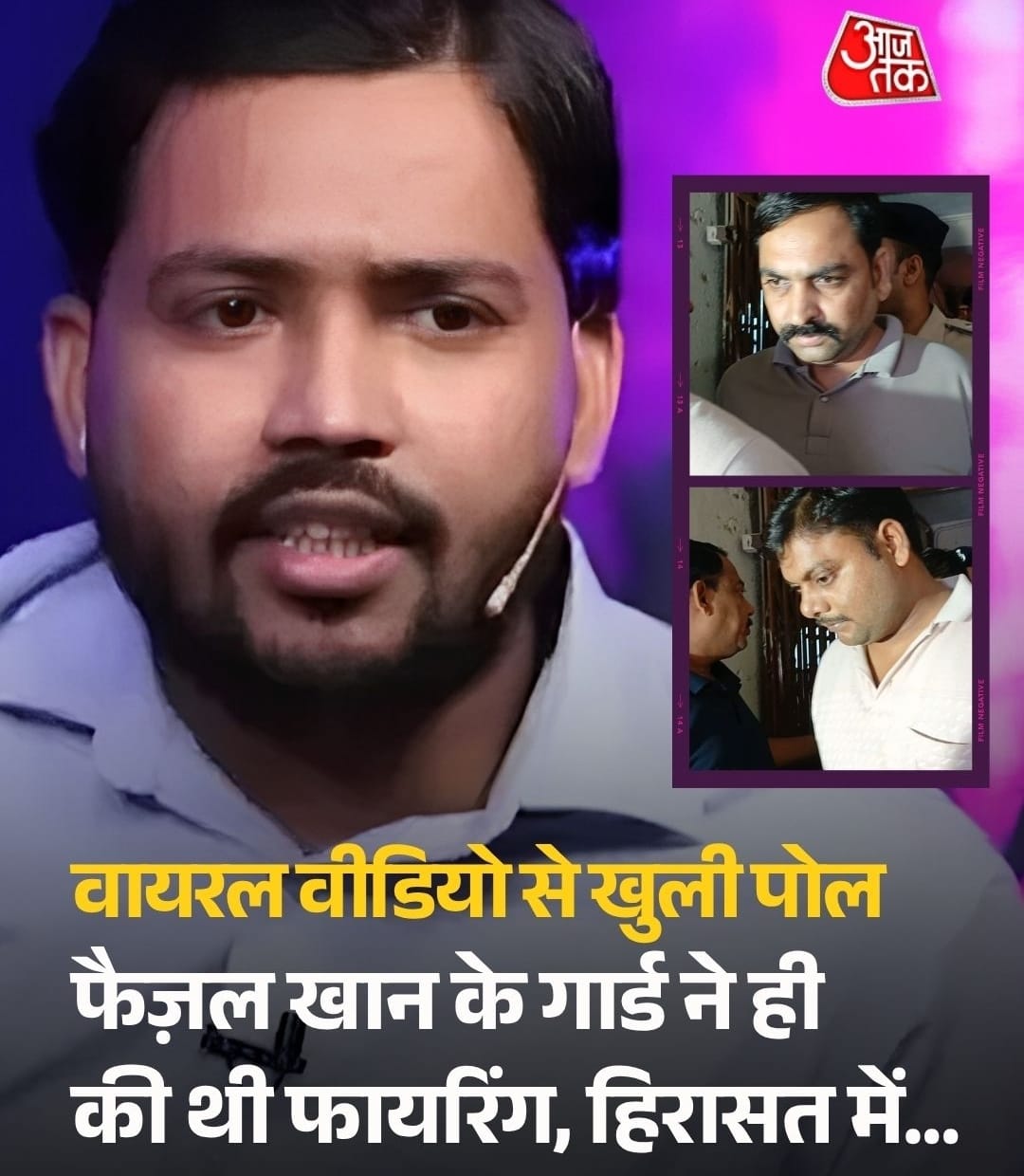
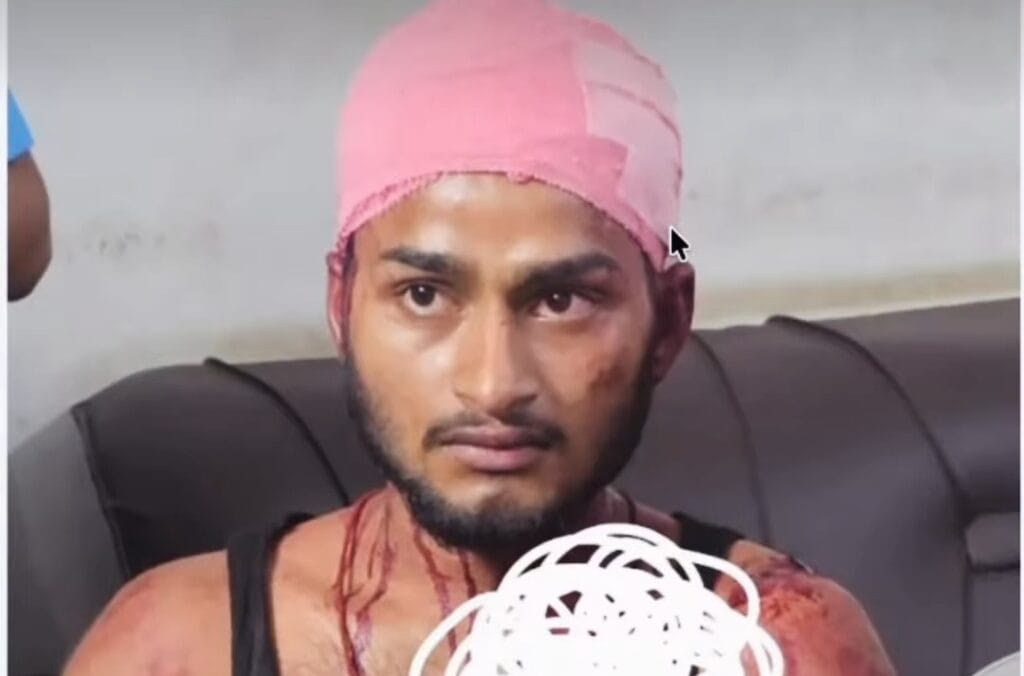
According to Khan Sir, a mob attacked his institute in Bihar with guns. One of Khan Sir’s bodyguards was brutally injured and suffered a fractured head. Another bodyguard tried to save him and retaliated by firing his weapon in self-defense.
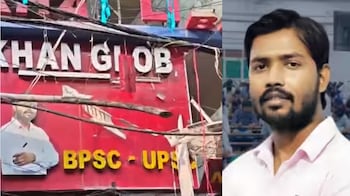
Without this context, much of the mainstream media claimed that Khan Sir had attacked his own institute for publicity and followers. This is the kind of propaganda I am talking about.
This should be exposed as soon as possible. Mainstream media took one clip, removed the context, and spread it across social media to create a particular narrative against Khan Sir.
Now, many media outlets have suddenly started using Khan Sir’s full name, Faisal Khan, bringing his religion into the discussion. This appears to be a form of psychological information warfare designed to influence public perception.
Again, this is divide-and-rule politics, this time directed against Indian teachers. Khan Sir’s bodyguard retaliated after another bodyguard was seriously injured, but the mainstream media ignored that context and focused only on the firing itself.
This is exactly why many people have lost trust in mainstream media. It is also one of the reasons critics point to when discussing India’s low ranking in global press freedom indexes.
In recent years, Indian mainstream media has faced increasing criticism for sensationalism, selective reporting, and the tendency to prioritize narratives over facts. The controversy surrounding Khan Sir and the reporting of the recent firing incident has once again raised serious questions about how news is presented to the public and how public perception can be shaped by a few carefully selected clips.
For many observers, the issue is no longer just about Khan Sir. It is about the larger problem of information warfare, media responsibility, and the growing gap between public trust and media credibility.
The Sudden Use of “Faisal Khan”
One of the most controversial aspects of the recent coverage has been the sudden emphasis on Khan Sir’s reported full name.
For years, most people knew him simply as Khan Sir. His educational content, teaching methods, and popularity among students were the primary focus of public discussion.
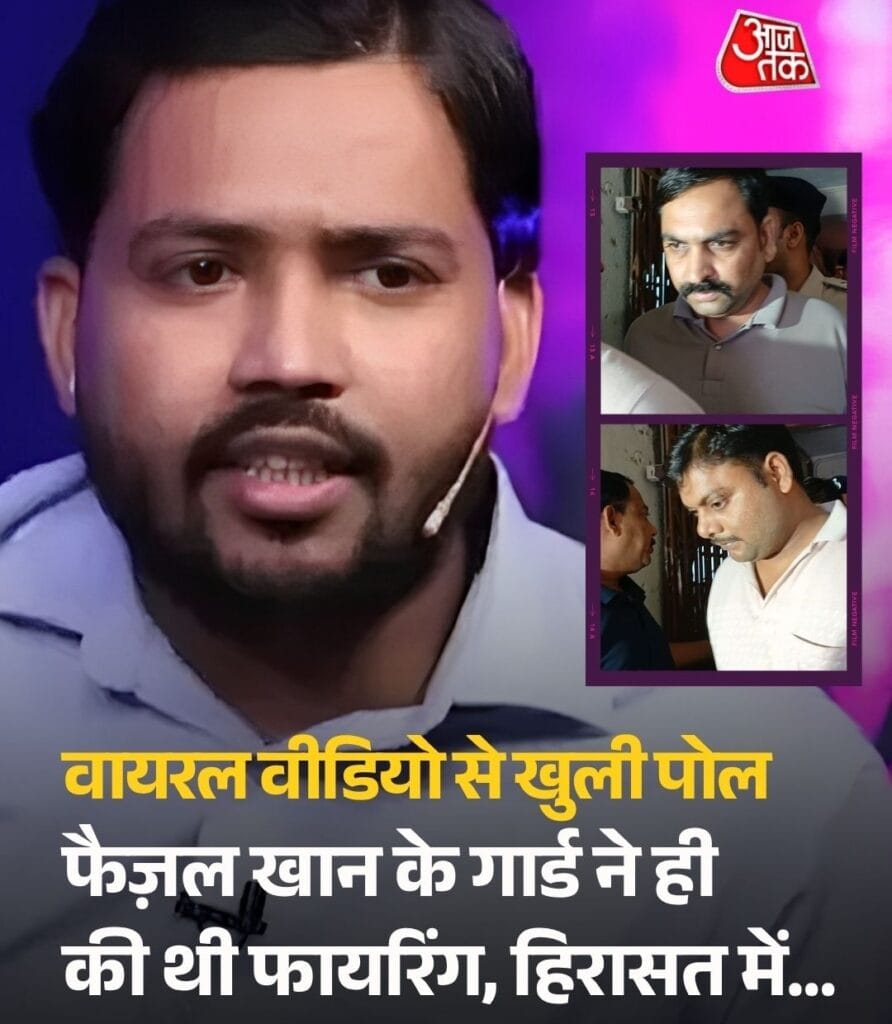
However, during the controversy, many critics noticed an increased focus on identifying him by his reported full name, Faisal Khan.
This has led to concerns among some observers that religious identity was being introduced into a controversy where it may have had little relevance.
The question many people are asking is simple:
Why did the discussion suddenly shift from a teacher and educator to debates surrounding identity?
Whether intentional or not, emphasizing religious identity in a politically polarized environment can influence public perception in powerful ways.
Critics argue that journalism should focus on evidence, actions, and facts rather than encouraging audiences to view individuals primarily through a religious lens.
Information Warfare in the Digital Age
Modern information battles are rarely fought through direct censorship.
Instead, narratives are created, amplified, repeated, and reinforced until they become accepted as reality.
A headline is repeated.
A clip goes viral.
Television panels discuss it for days.
Social media accounts amplify it.
Soon, millions of people believe they understand the entire story despite having access to only a small fraction of the facts.
This phenomenon is not unique to India.
Around the world, media organizations have been accused of shaping public perception through selective coverage, emotional framing, and ideological narratives.
The Khan Sir controversy has become another example cited by critics who believe that Indian media increasingly relies on narrative management rather than balanced reporting.
Why Khan Sir Matters
The reason this controversy has attracted such strong reactions is because Khan Sir is not viewed by many supporters as just another public figure.
For millions of students, particularly those from lower-income backgrounds, he represents affordable education and opportunity.
His popularity was built not through political connections or corporate backing but through accessibility.
Many students see him as someone who made quality education available at a price that ordinary families could afford.
As a result, any attack on his reputation is often perceived by supporters as an attack on a broader movement for affordable education.
Whether one agrees with Khan Sir or not, his influence on India’s educational landscape cannot be ignored.
The Bigger Issue: Trust
Perhaps the most important issue is not Khan Sir himself.
The real issue is trust.
Every time a media organization is accused of selective reporting, every time context is ignored, and every time narratives appear more important than facts, public trust erodes further.
When trust disappears, citizens stop believing not only bad journalism but also good journalism.
That is dangerous for any democracy.
A free press is essential.
But a free press also carries responsibility.
Freedom without credibility eventually leads to public skepticism and institutional decline.
The controversy surrounding Khan Sir should serve as an opportunity for reflection.
Media organizations should ask whether they are informing the public or influencing the public.
Citizens should ask whether they are consuming facts or consuming narratives.
And journalists should remember that their greatest responsibility is not to political interests, ideological camps, or ratings.
Their responsibility is to the truth.
Because in the end, a democracy cannot survive on propaganda.
It survives on trust, transparency, accountability, and facts.