
Prayagraj, Uttar Pradesh
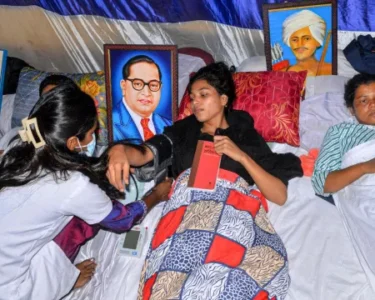
Thousands of students came onto the streets.
They were not demanding jobs without exams. They were not demanding special privileges. They were demanding something far more basic: fair examinations, transparency, and accountability.
For weeks, anger had been building among competitive exam aspirants across Uttar Pradesh. Allegations of paper leaks, recruitment irregularities, delayed examinations, and repeated controversies had pushed many students to their limit. The frustration finally exploded into protests and candle marches across Prayagraj.
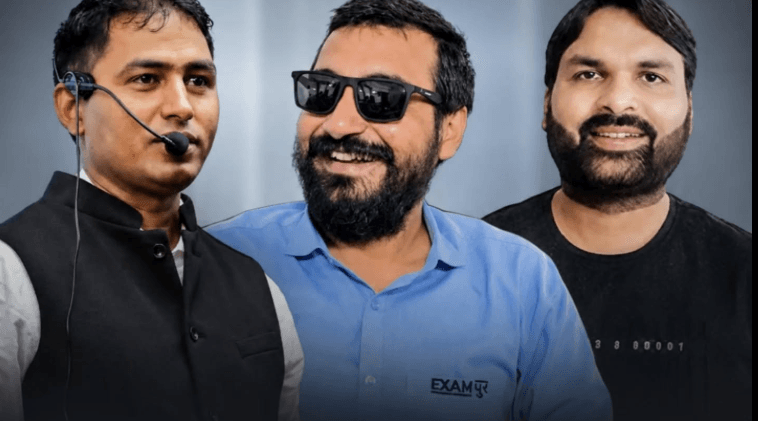
What made these protests different was that several well-known teachers openly stood beside the students.
Instead of remaining silent, some coaching educators publicly supported the demands of aspirants who were asking for fair examinations and re-exams where irregularities were suspected.
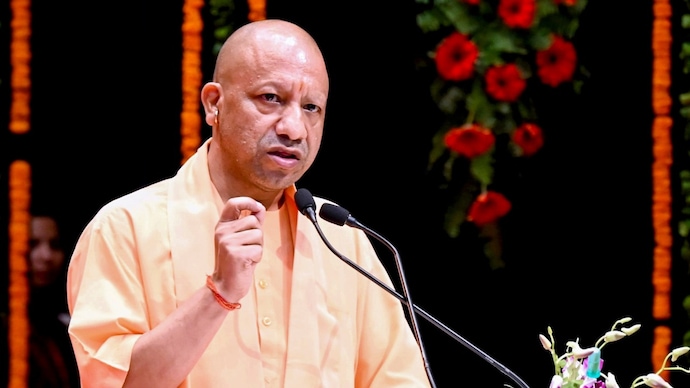
Just days later, three major coaching institutes in Prayagraj faced administrative action.
The Prayagraj Development Authority sealed:
• Exampur, associated with Vivek Sir
• Target With Ravi Tiwari
• Climax, associated with Maroof Sir
Officials stated that the action was taken because of unauthorized construction, building violations, basement misuse, and fire safety concerns. Notices were reportedly issued regarding compliance issues.
But many students immediately began asking a different question.
Why now?
That question is at the center of the growing controversy.
Students See More Than A Building Violation
No one is arguing that safety rules should not exist.
If a building violates regulations, authorities have every right to inspect it.
But students and supporters are questioning the timing.
These coaching institutes had been operating for years. Thousands of students had attended classes there. Suddenly, within days of teachers publicly backing student protests, multiple institutions were sealed.
Naturally, suspicion spread.
Social media was flooded with posts from students claiming the action was politically motivated. Many argued that the educators were being punished for supporting the movement against alleged examination irregularities.
There is currently no official proof that the government ordered the action as retaliation.
However, there is also no denying that the timing has created widespread public doubt.
The Real Crisis Is Not The Coaching Centres
The deeper issue is not about three coaching institutes.
The deeper issue is trust.
For years, students in many parts of India have faced repeated controversies involving recruitment examinations, paper leak allegations, cancellations, delays, and uncertainty.
Every time an examination is questioned, thousands of young people lose months or even years of preparation.
Many come from poor families.
Many borrow money.
Many live away from home in rented rooms.
Many spend their entire youth preparing for government jobs.
When students protest against examination irregularities, they are not playing politics.
They are fighting for their future.
That is why these demonstrations received support from several educators.
Teachers Who Chose To Speak
In India’s coaching industry, many teachers avoid controversy.
They teach classes, conduct courses, and stay away from political or administrative issues.
But in Prayagraj, some educators publicly sided with students demanding accountability.
That decision transformed them from teachers into symbols of the movement.
Whether one agrees with them or not, their support gave confidence to thousands of aspirants who felt ignored.
Students saw them as people willing to stand beside them rather than remain silent.
That is why the sealing of these institutes created such a strong reaction among young people.
For many aspirants, it felt as though the voices supporting them were suddenly being targeted.
Again, this remains an allegation, not a proven fact.
But perception matters.
And right now, the perception among many students is clear.
A Dangerous Message
The biggest concern is not the sealing itself.
The concern is the message many students believe it sends.
If teachers support students and then face administrative action shortly afterward, even if unrelated, public trust becomes damaged.
People begin wondering whether speaking up carries consequences.
Democracies depend on criticism.
Students should be able to question examinations.
Teachers should be able to support students.
Journalists should be able to investigate allegations.
None of these actions should automatically be viewed as rebellion.
The Youth Are Watching
The generation preparing for competitive examinations today is not passive.
They live online.
They document everything.
They compare official statements with public events.
They ask questions.
Whether authorities intended it or not, the sealing of these coaching centres has become larger than a local administrative action.
For many young people, it has become a symbol of a bigger struggle:
A struggle between students demanding accountability and institutions trying to maintain control over public anger.
The government insists the action was purely about safety violations and unauthorized construction.
Students remain unconvinced.
The truth behind the timing may continue to be debated.
But one reality cannot be denied.
The anger among aspirants is real.
The frustration over examination controversies is real.
And the demand for transparency is not going away.
Because for lakhs of students, this was never just about three coaching institutes.
It was about whether ordinary young people still have the right to question a system that controls their future.