Home / News /Students Beaten After CJP Protest: The Rise of Political Street Influencers in India
Students Beaten After CJP Protest: The Rise of Political Street Influencers in India
The Rise of Political Street Influencers: How Social Media Rewards Outrage Over Democracy
When Politics Becomes Entertainment Across the world, social media has transformed politics into a form of entertainment. Short videos, dramatic confrontations, provocative headlines, and emotionally charged speeches often receive far greater engagement than discussions about budgets, education reforms, or healthcare.
India is no exception.
Platforms reward content that keeps people watching. Anger, fear, and outrage frequently generate more comments, shares, and reactions than calm discussion. This creates an environment where some creators discover that controversy attracts more attention than constructive debate.
For many political influencers, online popularity becomes a valuable asset. A large audience can lead to speaking invitations, collaborations, media appearances, or increased visibility. While many creators use these platforms responsibly, critics argue that others rely on increasingly confrontational content because it is more likely to go viral.
Why Young People Are Concerned
Many members of India’s Gen Z have expressed frustration that public debate is increasingly dominated by confrontation instead of solutions.
Surveys and public discussions consistently show that young people rank issues such as employment, quality education, economic opportunity, affordable housing, technological innovation, and transparent governance among their highest priorities.
When political conversations instead become centered on constant outrage, many young citizens worry that attention is being diverted from these everyday concerns.
The Role of Law Enforcement
In any democracy, public confidence depends on the perception that laws are applied fairly.
When individuals accused of offences remain active in public life while legal proceedings continue, questions naturally arise about the speed and consistency of investigations. Those questions should be addressed through transparent legal processes rather than speculation.
It is equally important to remember that being accused of an offence does not establish guilt. India’s justice system is based on due process, and allegations must be tested in court.
At the same time, victims, witnesses, and the public expect investigations to be timely, impartial, and free from political influence.
Public Perception and Political Proximity
Public figures are often photographed with politicians from different parties. Such photographs frequently circulate online as evidence of influence or endorsement.
However, a photograph, meeting, or attendance at a public event does not, by itself, demonstrate political support or an official relationship. Drawing that conclusion without evidence would be misleading.
Nevertheless, critics argue that when controversial personalities receive repeated public attention, it can contribute to a perception that aggressive rhetoric is being normalized. Whether that perception is accurate depends on the available evidence in each individual case.
The Cost of Polarization
Polarization has consequences beyond elections.
Communities become more suspicious of one another.
Public conversations become less respectful.
Citizens begin viewing fellow Indians primarily through political or religious identities rather than shared national interests.
This environment also affects students.
Universities, traditionally places for debate and critical thinking, can become sites of confrontation when political disagreements escalate into hostility.
Many educators argue that campuses should encourage peaceful disagreement rather than intimidation.
What Democracy Actually Requires
Democracy is often described as the right to speak freely.
But democracy also depends on the responsibility to disagree peacefully.
Political disagreement should never require threats, violence, or harassment.
Whether someone supports the government, opposes it, or remains politically independent, every citizen deserves equal protection under the law.
The Constitution guarantees freedom of expression, but it also expects public order and accountability.
Those principles apply equally to political leaders, activists, influencers, and ordinary citizens.
A Different Vision for India’s Future
Many young Indians increasingly describe success in terms of innovation rather than confrontation.
They admire countries that invested heavily in education, scientific research, manufacturing, entrepreneurship, and technology.
Their aspirations include:
Better universities.
More research opportunities.
Transparent recruitment.
Fair examinations.
High-skilled jobs.
Global competitiveness.
These ambitions require long-term investment in human capital rather than constant political conflict.
As India seeks to become one of the world’s leading economies, many analysts argue that educational excellence, technological innovation, and institutional trust will ultimately matter more than viral political content.
The Rise of Political Street Influencers: How Social Media Rewards Outrage Over Democracy
In a democracy, political influence is expected to emerge from public service, policy debates, and constitutional values. Increasingly, however, another kind of public figure has begun attracting attention across India’s social media platforms: self-styled political influencers whose online presence is built around confrontation, inflammatory rhetoric, and public spectacles.
Whether on YouTube, Instagram, Facebook, or X, many of these personalities have amassed large audiences by producing emotionally charged content. Their videos often portray politics as a constant battle between enemies rather than a competition of ideas. For supporters, they represent fearless nationalism. For critics, they symbolize the normalization of intimidation and division in political discourse.
This transformation raises a difficult question: How did aggressive online personalities become influential voices in India’s political ecosystem?
The answer lies at the intersection of social media algorithms, political polarization, public frustration, and the economics of online attention.
Outrage Has Become a Business Model
Social media rewards engagement. Engagement rewards emotion. And among all human emotions, anger spreads the fastest.
Platforms rarely distinguish between constructive debate and inflammatory content when recommending videos. A clip featuring insults, heated confrontations, or threats often attracts more comments, shares, and watch time than a calm discussion on education, healthcare, or employment.
As a result, controversy becomes profitable.
For many online personalities, every confrontation becomes content. Every argument becomes another viral clip. Every criticism becomes free publicity.
The more polarized the audience becomes, the greater the online visibility.
Politics Meets Performance
Political communication has increasingly shifted from speeches and manifestos to short-form videos and livestreams.
Instead of explaining policies, many influencers build their identity around constant confrontation.
Critics argue that this style of politics reduces democratic discussion into entertainment. Complex national issues become simplified into “us versus them” narratives designed to maximize online engagement rather than encourage thoughtful debate.
The incentive structure is clear.
More outrage.
More followers.
More donations.
More influence.
When Street Politics Goes Viral
Offline incidents now frequently become online spectacles.
Clashes at protests, heated exchanges, and confrontations are recorded within seconds and uploaded across multiple platforms.
The boundary between political activism and content creation has become increasingly blurred.
Supporters often celebrate these confrontations as demonstrations of courage.
Critics argue they normalize aggression and discourage peaceful democratic participation.
The Jantar Mantar Incident
Recent public attention focused on allegations surrounding an incident after protests connected to education and examination issues at Jantar Mantar in New Delhi.
According to publicly reported information, Satyam Pandit was accused of assaulting students following the demonstration. Multiple news organizations reported that police registered cases and that previous FIRs had also been filed against him in separate matters. Those allegations remain subject to legal processes, and everyone involved is entitled to due process under the law.
Regardless of the outcome of individual cases, the incident sparked a broader debate.
Many young Indians questioned why peaceful student demonstrations appeared increasingly vulnerable to intimidation.
Others argued that the rule of law must apply equally regardless of ideology, political affiliation, or public popularity.
Social Media Fame Changes Incentives
Traditional political leadership usually develops over years through public service, elections, or community work.
Online political fame can emerge almost overnight.
A single viral video.
One controversial speech.
One public confrontation.
Within days, thousands—or even millions—of followers may appear.
This rapid growth changes incentives.
Instead of rewarding expertise or policy knowledge, online ecosystems sometimes reward visibility above everything else.
The louder the message, the larger the audience.
The stronger the emotional reaction, the greater the reach.
That is not unique to India. It is a global challenge affecting democracies worldwide.


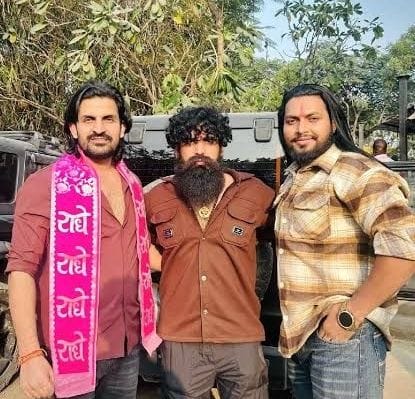
Students Beaten After CJP Protest: The Rise of Political Street Influencers in India
The Rise of Political Street Influencers: How Social Media Rewards Outrage Over Democracy
When Politics Becomes Entertainment Across the world, social media has transformed politics into a form of entertainment. Short videos, dramatic confrontations, provocative headlines, and emotionally charged speeches often receive far greater engagement than discussions about budgets, education reforms, or healthcare.
India is no exception.
Platforms reward content that keeps people watching. Anger, fear, and outrage frequently generate more comments, shares, and reactions than calm discussion. This creates an environment where some creators discover that controversy attracts more attention than constructive debate.
For many political influencers, online popularity becomes a valuable asset. A large audience can lead to speaking invitations, collaborations, media appearances, or increased visibility. While many creators use these platforms responsibly, critics argue that others rely on increasingly confrontational content because it is more likely to go viral.
Why Young People Are Concerned
Many members of India’s Gen Z have expressed frustration that public debate is increasingly dominated by confrontation instead of solutions.
Surveys and public discussions consistently show that young people rank issues such as employment, quality education, economic opportunity, affordable housing, technological innovation, and transparent governance among their highest priorities.
When political conversations instead become centered on constant outrage, many young citizens worry that attention is being diverted from these everyday concerns.
The Role of Law Enforcement
In any democracy, public confidence depends on the perception that laws are applied fairly.
When individuals accused of offences remain active in public life while legal proceedings continue, questions naturally arise about the speed and consistency of investigations. Those questions should be addressed through transparent legal processes rather than speculation.
It is equally important to remember that being accused of an offence does not establish guilt. India’s justice system is based on due process, and allegations must be tested in court.
At the same time, victims, witnesses, and the public expect investigations to be timely, impartial, and free from political influence.
Public Perception and Political Proximity
Public figures are often photographed with politicians from different parties. Such photographs frequently circulate online as evidence of influence or endorsement.
However, a photograph, meeting, or attendance at a public event does not, by itself, demonstrate political support or an official relationship. Drawing that conclusion without evidence would be misleading.
Nevertheless, critics argue that when controversial personalities receive repeated public attention, it can contribute to a perception that aggressive rhetoric is being normalized. Whether that perception is accurate depends on the available evidence in each individual case.
The Cost of Polarization
Polarization has consequences beyond elections.
Communities become more suspicious of one another.
Public conversations become less respectful.
Citizens begin viewing fellow Indians primarily through political or religious identities rather than shared national interests.
This environment also affects students.
Universities, traditionally places for debate and critical thinking, can become sites of confrontation when political disagreements escalate into hostility.
Many educators argue that campuses should encourage peaceful disagreement rather than intimidation.
What Democracy Actually Requires
Democracy is often described as the right to speak freely.
But democracy also depends on the responsibility to disagree peacefully.
Political disagreement should never require threats, violence, or harassment.
Whether someone supports the government, opposes it, or remains politically independent, every citizen deserves equal protection under the law.
The Constitution guarantees freedom of expression, but it also expects public order and accountability.
Those principles apply equally to political leaders, activists, influencers, and ordinary citizens.
A Different Vision for India’s Future
Many young Indians increasingly describe success in terms of innovation rather than confrontation.
They admire countries that invested heavily in education, scientific research, manufacturing, entrepreneurship, and technology.
Their aspirations include:
Better universities.
More research opportunities.
Transparent recruitment.
Fair examinations.
High-skilled jobs.
Global competitiveness.
These ambitions require long-term investment in human capital rather than constant political conflict.
As India seeks to become one of the world’s leading economies, many analysts argue that educational excellence, technological innovation, and institutional trust will ultimately matter more than viral political content.
The Rise of Political Street Influencers: How Social Media Rewards Outrage Over Democracy
In a democracy, political influence is expected to emerge from public service, policy debates, and constitutional values. Increasingly, however, another kind of public figure has begun attracting attention across India’s social media platforms: self-styled political influencers whose online presence is built around confrontation, inflammatory rhetoric, and public spectacles.
Whether on YouTube, Instagram, Facebook, or X, many of these personalities have amassed large audiences by producing emotionally charged content. Their videos often portray politics as a constant battle between enemies rather than a competition of ideas. For supporters, they represent fearless nationalism. For critics, they symbolize the normalization of intimidation and division in political discourse.
This transformation raises a difficult question: How did aggressive online personalities become influential voices in India’s political ecosystem?
The answer lies at the intersection of social media algorithms, political polarization, public frustration, and the economics of online attention.
Outrage Has Become a Business Model
Social media rewards engagement. Engagement rewards emotion. And among all human emotions, anger spreads the fastest.
Platforms rarely distinguish between constructive debate and inflammatory content when recommending videos. A clip featuring insults, heated confrontations, or threats often attracts more comments, shares, and watch time than a calm discussion on education, healthcare, or employment.
As a result, controversy becomes profitable.
For many online personalities, every confrontation becomes content. Every argument becomes another viral clip. Every criticism becomes free publicity.
The more polarized the audience becomes, the greater the online visibility.
Politics Meets Performance
Political communication has increasingly shifted from speeches and manifestos to short-form videos and livestreams.
Instead of explaining policies, many influencers build their identity around constant confrontation.
Critics argue that this style of politics reduces democratic discussion into entertainment. Complex national issues become simplified into “us versus them” narratives designed to maximize online engagement rather than encourage thoughtful debate.
The incentive structure is clear.
More outrage.
More followers.
More donations.
More influence.
When Street Politics Goes Viral
Offline incidents now frequently become online spectacles.
Clashes at protests, heated exchanges, and confrontations are recorded within seconds and uploaded across multiple platforms.
The boundary between political activism and content creation has become increasingly blurred.
Supporters often celebrate these confrontations as demonstrations of courage.
Critics argue they normalize aggression and discourage peaceful democratic participation.
The Jantar Mantar Incident
Recent public attention focused on allegations surrounding an incident after protests connected to education and examination issues at Jantar Mantar in New Delhi.
According to publicly reported information, Satyam Pandit was accused of assaulting students following the demonstration. Multiple news organizations reported that police registered cases and that previous FIRs had also been filed against him in separate matters. Those allegations remain subject to legal processes, and everyone involved is entitled to due process under the law.
Regardless of the outcome of individual cases, the incident sparked a broader debate.
Many young Indians questioned why peaceful student demonstrations appeared increasingly vulnerable to intimidation.
Others argued that the rule of law must apply equally regardless of ideology, political affiliation, or public popularity.
Social Media Fame Changes Incentives
Traditional political leadership usually develops over years through public service, elections, or community work.
Online political fame can emerge almost overnight.
A single viral video.
One controversial speech.
One public confrontation.
Within days, thousands—or even millions—of followers may appear.
This rapid growth changes incentives.
Instead of rewarding expertise or policy knowledge, online ecosystems sometimes reward visibility above everything else.
The louder the message, the larger the audience.
The stronger the emotional reaction, the greater the reach.
That is not unique to India. It is a global challenge affecting democracies worldwide.
You can share this post!
Bihar Policeman Suspended After Allegedly Firing AK-47 During Student Protest
Were India’s Student Protests Deliberately Divided? Examining the Narrative Around Jharkhand and Jantar Mantar
Related Articles
Were India’s Student Protests Deliberately Divided? Examining the Narrative Around Jharkhand and…
Bihar Policeman Suspended After Allegedly Firing AK-47 During Student Protest
Can Police Hide Their Identity During Protests? What Indian Law Says About…