

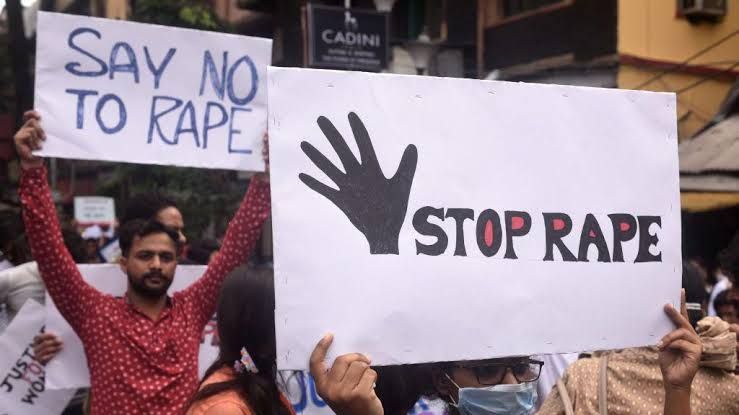
A teenage girl from Saran district in Bihar was found dead in a village well. The exact truth of what happened is still under investigation, but the case has already raised serious questions about justice, politics, and the condition of public debate in India.
According to the complaint filed by the girl’s family, several men from the village were involved. The family claims the girl was attacked and then thrown into the well. They believe it was a brutal crime and are demanding strict action against everyone responsible.
Police investigators, however, say the case is still being examined. Authorities are studying forensic evidence and witness statements to determine what exactly happened. Some early reports suggested drowning, but the investigation has not completely ruled out other possibilities. The final truth will depend on evidence and the court process.
But while the investigation continues, another issue has become very visible.
The victim belongs to the Rajput community, while the accused are reported to belong to the Paswan community, which falls under the Dalit category. Because of this, the incident quickly turned into a heated caste debate across social media.
Instead of focusing only on justice for the victim, many people online started defending the accused simply because they belong to their own caste group.
Several posts on social media show people arguing that the accused are being targeted and that strict laws like the SC/ST Act could be used in the situation to silence or pressure the victim’s side if the case turns into a caste conflict.
In simple words, the debate is no longer only about the crime. It has become a battle of narratives, where people are choosing sides based on caste identity rather than waiting for the full truth of the investigation.
For many citizens watching this unfold, the situation feels disturbing. A young girl has lost her life, yet instead of united outrage demanding justice, the country is watching arguments about caste loyalty.
And at the same time, many people are also noticing something else.
The silence of major political leaders
In a country where politicians often speak loudly about crimes when it suits their political narrative, this case has not seen strong national reactions.
There has been no major sustained demand for justice from leaders like Narendra Modi, Rahul Gandhi, or Chandrashekar Azad of the Bhim Army.
- No major national campaign.
- No continuous pressure from the political class.
- No nationwide debate led by powerful leaders.
For many observers, this silence raises a serious question.
Do political leaders care about justice for victims, or do they react only when the case fits their political agenda and vote bank calculations?
This frustration is not limited to the Saran case.
People still remember the case of Roshan Khatoon from Bihar
Roshan Khatoon from Bihar, who died after a violent assault during a dispute in her village. Her death shocked many people when the news first came out, but the national conversation faded quickly.
For the families of victims, the pain does not fade.
They continue to live with the loss while the public debate moves on.
That is why the Saran case has triggered strong emotions online. Many citizens feel that the system is failing in two ways at the same time.
First, crimes continue to happen.
Second, public discussion about those crimes becomes divided by caste, politics, and identity.
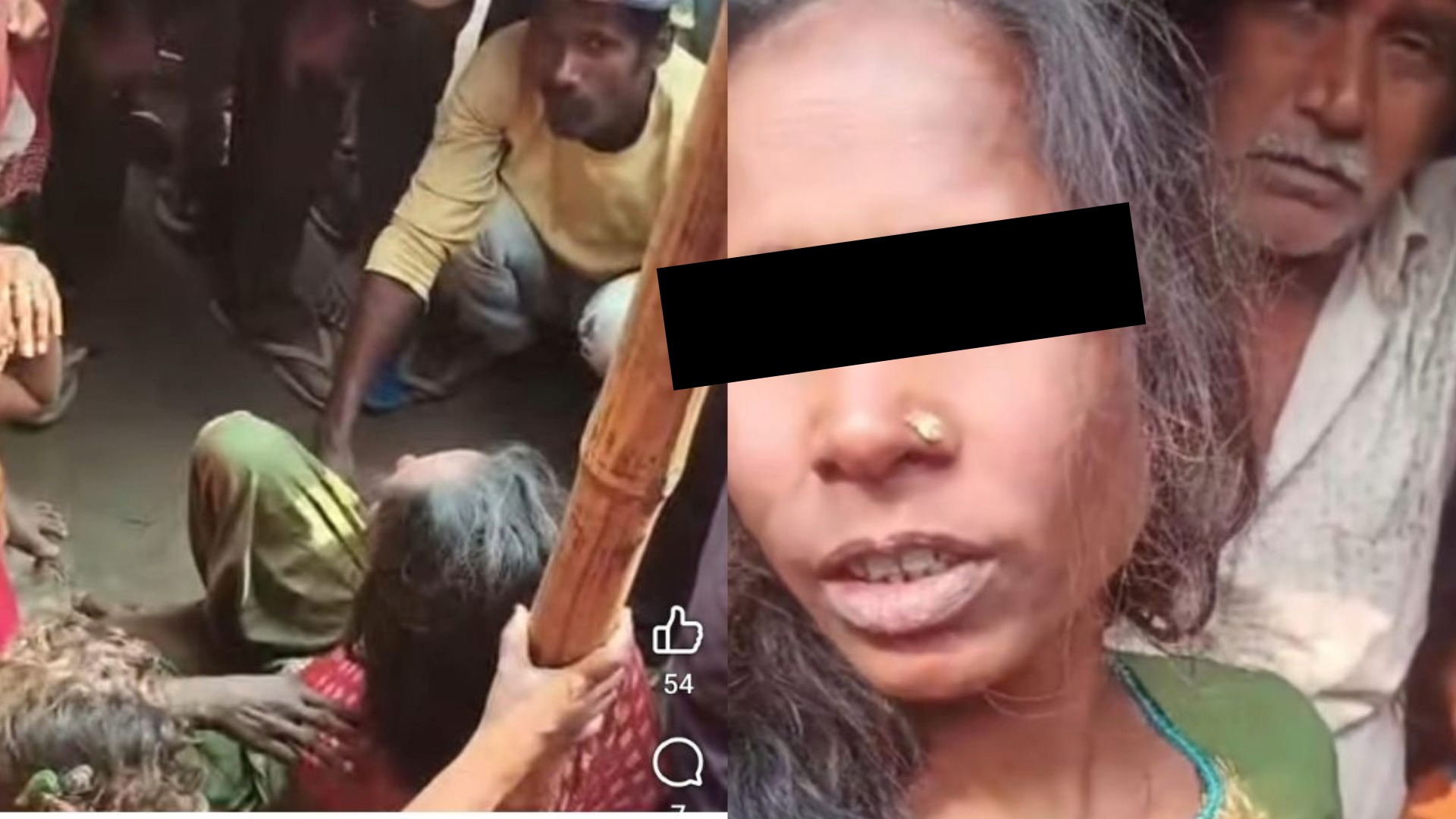
Yet instead of one united voice demanding justice, the country is watching people defend the accused, attack the victim’s side, and turn the tragedy into another political argument.
For many citizens, that is the most painful part.
Because justice should not depend on caste.
Justice should not depend on politics.
And justice should never depend on which group is louder on social media.


5 Comments