

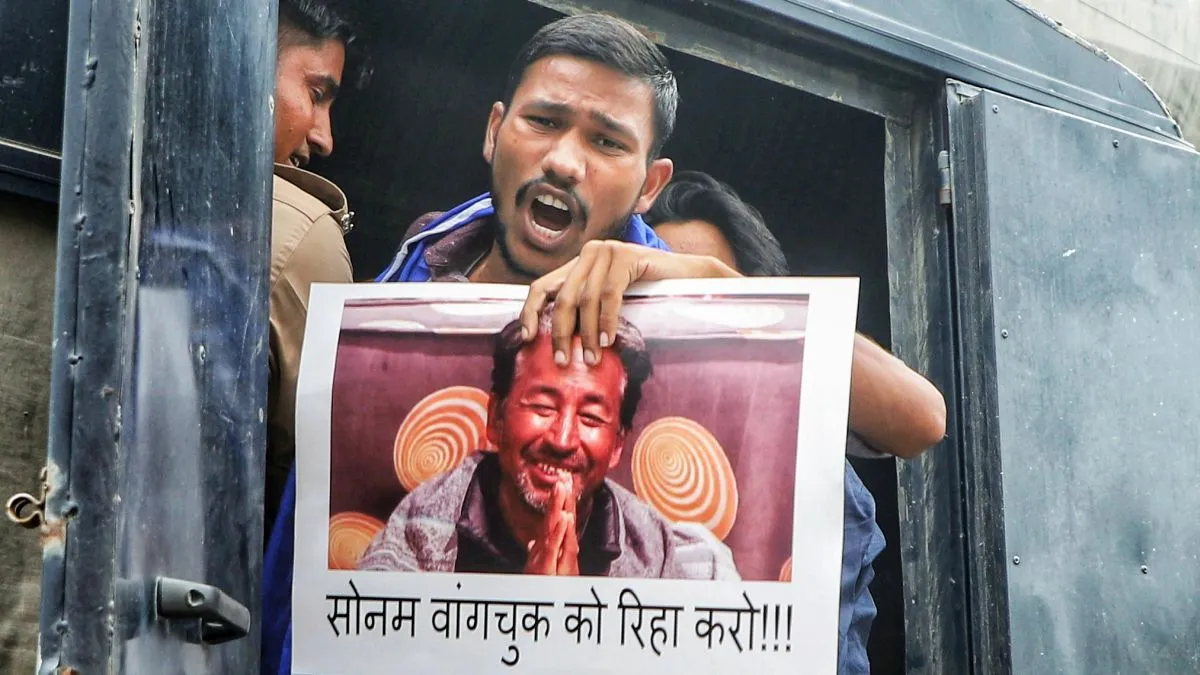
A man known across India for innovation, education, and peaceful activism suddenly disappeared from public life, not because a court proved him guilty of a crime, but because the state decided he should be detained. The official explanation was familiar: maintaining public order.
But behind that bureaucratic phrase lies a deeper question that every democracy must confront. When the state can detain a citizen for months without a criminal conviction, what happens to the principle of freedom?
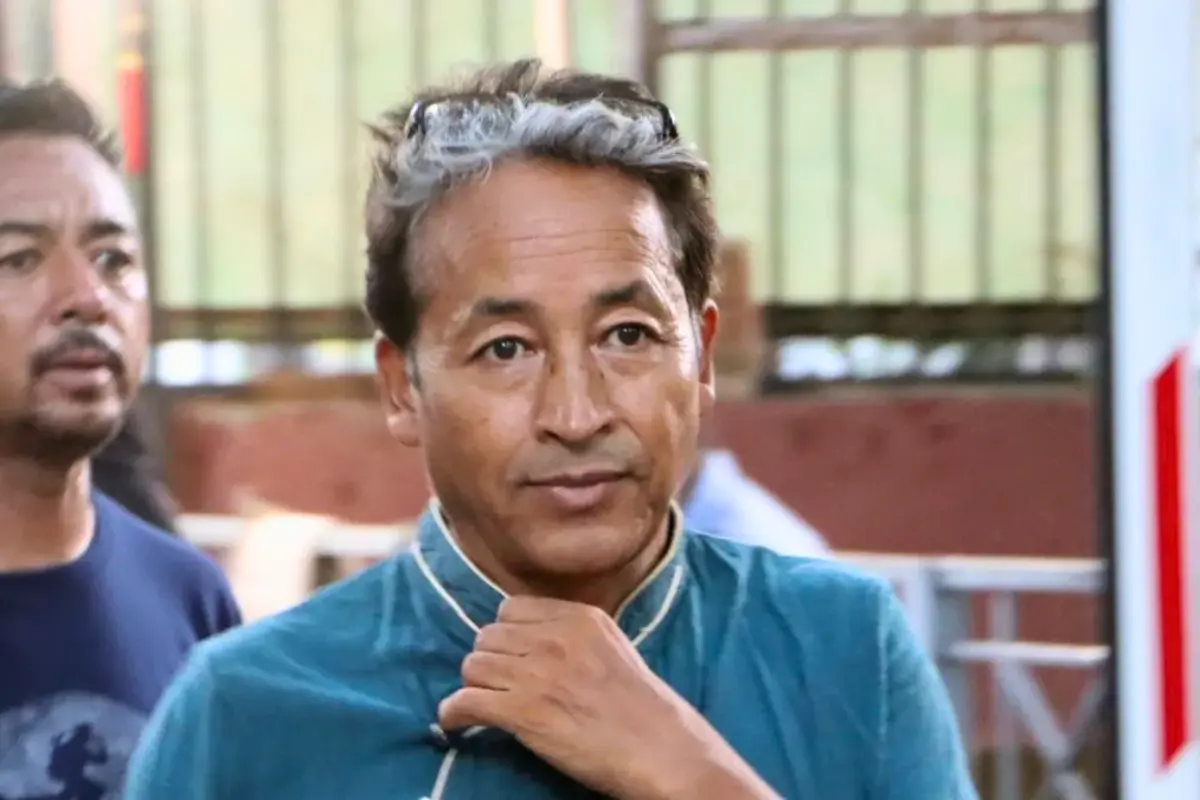
Sonam Wangchuk is not a violent agitator. He is an engineer, educator, and environmental activist from Ladakh whose work has earned national and global recognition. His campaigns have focus on ecological protection, sustainable development, and constitutional safeguards for the fragile Himalayan region.
Yet for months he remained behind bars under preventive detention.
If a person has committed a crime, the path in a democratic society is clear. Present the evidence. Charge the individual. Let the courts determine the truth. Justice must be visible and accountable.
But when someone is detained for months and later released without a proven criminal case, the public is left with uncomfortable questions. What evidence justified such a severe step? Why was detention necessary for so long? And what damage was done to a person whose only weapon was his voice?
Detention is not a small administrative action. Months of confinement bring emotional strain, uncertainty, and psychological pressure. Freedom is not just a legal concept. It is the basic condition that allows a citizen to live, speak, and participate in society.
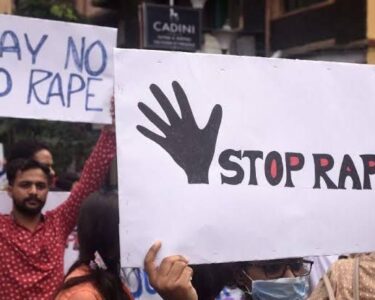
India’s democratic tradition was built on the idea that disagreement with the government is not a crime. The freedom struggle itself was driven by people who challenged authority, organized protests, and demanded accountability from those in power.
When dissent begins to look like a threat rather than a democratic right, the system risks drifting away from the values it claims to protect.
Sonam Wangchuk’s detention should therefore not be viewed as just another political episode. It should spark a serious national conversation about how preventive detention laws are used, and whether they are being applied with the transparency and restraint that democracy demands.
Strong governments do not silence critics. They answer them.
The strength of a democracy is measured not by how it treats supporters, but by how it treats those who question it.
For six months, Sonam Wangchuk’s voice was locked away. The real question now is whether the nation is willing to listen to what that silence reveals about power, freedom, and the future of dissent in India.
2 Comments