
A Political Move That Raised Eyebrows

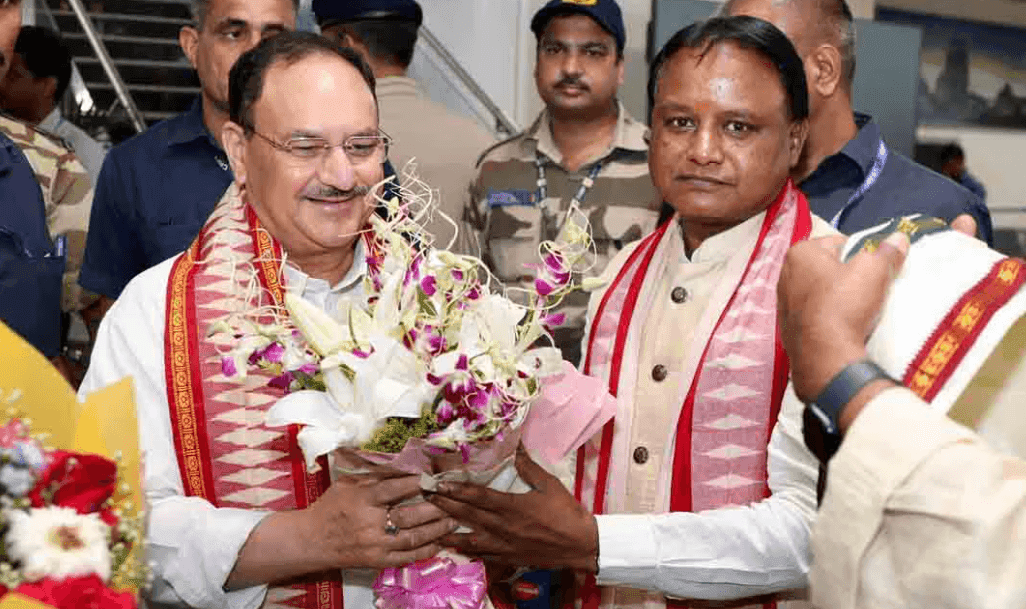
A major political development in Odisha has triggered fresh debate across the country. Former Member of Parliament Rabindra Kumar Jena, who was previously associated with the Biju Janata Dal, has now joined the Bharatiya Janata Party.
On the surface, this looks like a routine political shift. Leaders changing parties is not new in Indian politics. But what has caught public attention is the timing of this move.
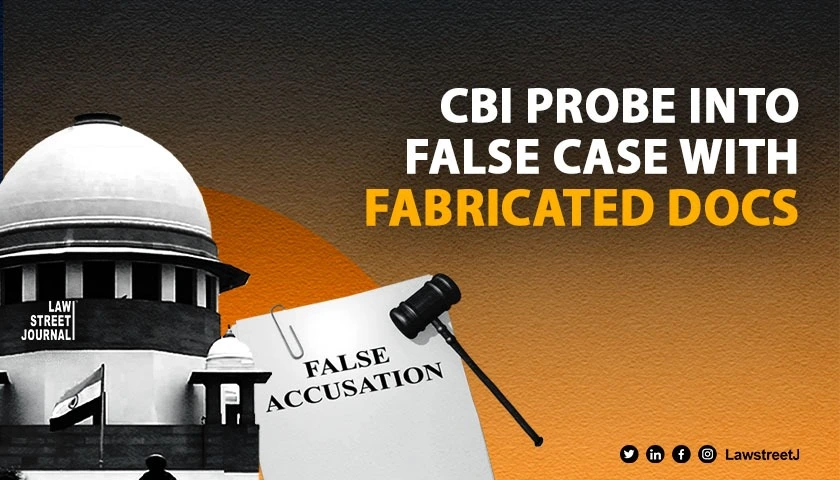
Jena joined the BJP just one day before a scheduled court hearing in a case where he is facing charges filed by the Central Bureau of Investigation.
This timing has turned a simple political move into a serious public discussion.
The CBI Case Against Him
The case against Rabindra Kumar Jena is linked to the Seashore chit fund scam, one of the major financial fraud cases investigated in Odisha.
According to the investigation, the scam involved large-scale financial irregularities where people were allegedly misled and money was collected under false promises. The CBI later filed a chargesheet in this case, naming several individuals, including Jena.
It is important to understand one key point here.
Being chargesheeted does not mean someone is proven guilty. The legal process is still ongoing, and the court will decide the final outcome based on evidence.
However, when a political leader facing such charges makes a major move just before a hearing, it naturally raises questions.
The Timing That Sparked the Debate
The biggest reason this story has gained attention is not just the party switch, but when it happened.
The fact that Jena joined BJP just one day before his court hearing has led many to question whether this is just coincidence or something more strategic.
In politics, timing is never ignored. Every decision is analyzed not just for what it is, but also for when it happens.
This has led to a wider debate.
Is this simply a personal political decision, or does it reflect a deeper pattern in Indian politics?
What Jena Said About Leaving BJD
Rabindra Kumar Jena stated that he left the Biju Janata Dal due to personal reasons. He did not directly connect his decision with the ongoing legal case.
This is an important detail.
Publicly, there is no official statement linking his party change to the CBI case. No authority has confirmed that joining a new party will impact the legal proceedings.
But in politics, public statements and public perception are often different things.
The Bigger Question: Does Power Affect Accountability?
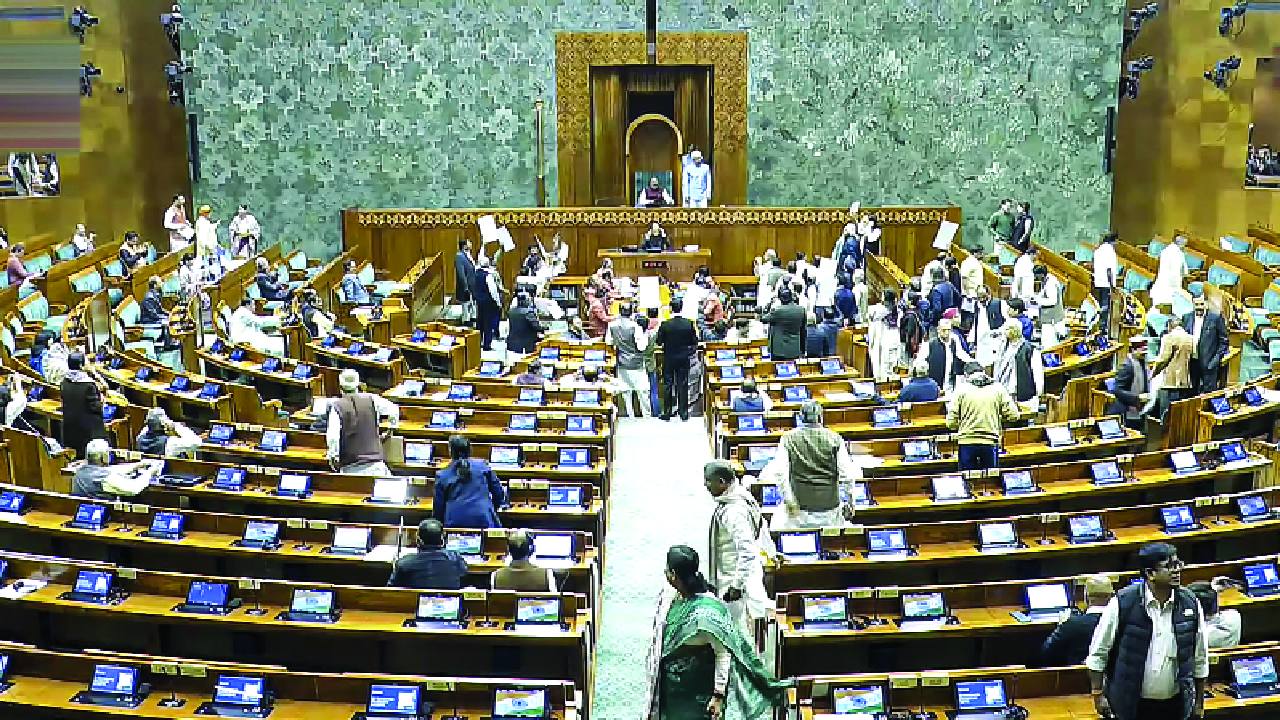
This incident has reopened a larger and more uncomfortable question.
Does political power influence accountability?
Across India, there have been multiple instances where leaders facing investigations have switched parties. Each time this happens, the same debate returns.
Some people believe that such moves may help reduce political pressure or change the direction of investigations.
Others argue that legal agencies and courts operate independently, and party affiliation does not change the outcome of a case.
The truth lies somewhere in between perception and reality.
There is no law that says joining a political party gives protection from criminal charges. But public perception often connects power with influence.
And perception itself becomes a powerful force in politics.
Politics vs Legal Process
It is important to separate two things clearly.
Politics is about power, alliances, and strategy.
The legal system is supposed to be about evidence, law, and judgment.
In theory, both operate independently.
But when political moves happen close to legal developments, people begin to connect the two. This creates doubt, even if there is no direct proof.
That is exactly what is happening in this case.
Rabindra Kumar Jena’s move from BJD to BJP is not unusual in Indian politics. Party switching is common.
But the timing of this decision has made it different.
Joining a new party just one day before a court hearing has raised questions that go beyond one individual. It has triggered a larger debate about politics, power, and accountability in India.
At this stage, there is no official evidence that his political move will affect his legal case. The investigation and court process will continue as per law.
But the questions raised by this incident are unlikely to go away anytime soon.
Because in politics, timing is never just timing.