
A Bureaucrat’s Exit That Became a National Question
The resignation of Rinkoo Singh Rahee has moved beyond a routine administrative development and entered the realm of national debate. What began as a “technical resignation” has now exposed deeper concerns about how India’s bureaucratic system treats officers who challenge it.
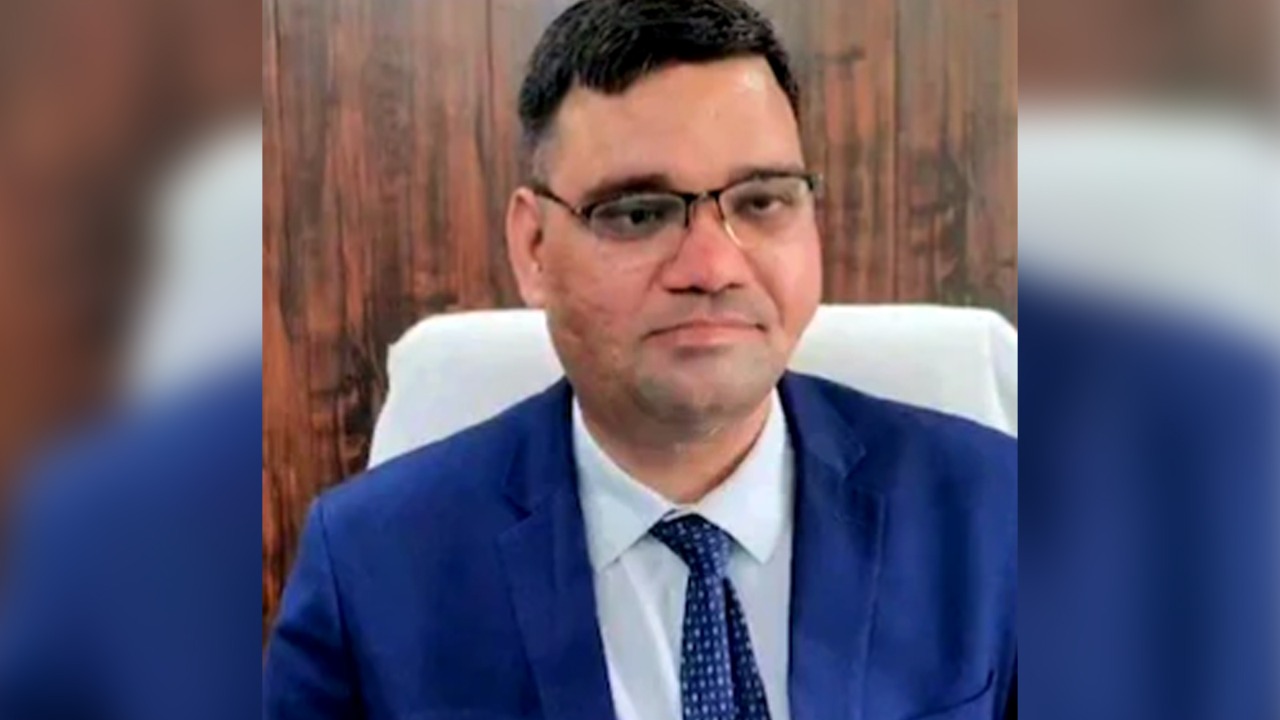
Rinku Singh, a 2022–23 batch IAS officer of the Uttar Pradesh cadre, cited a striking reason for stepping away from one of India’s most prestigious services: he was being paid a salary but not given meaningful work or a field posting.
This was not a resignation rooted in personal distress or inability. It was, by his own account, a response to being systematically sidelined.
From Whistleblower to Target
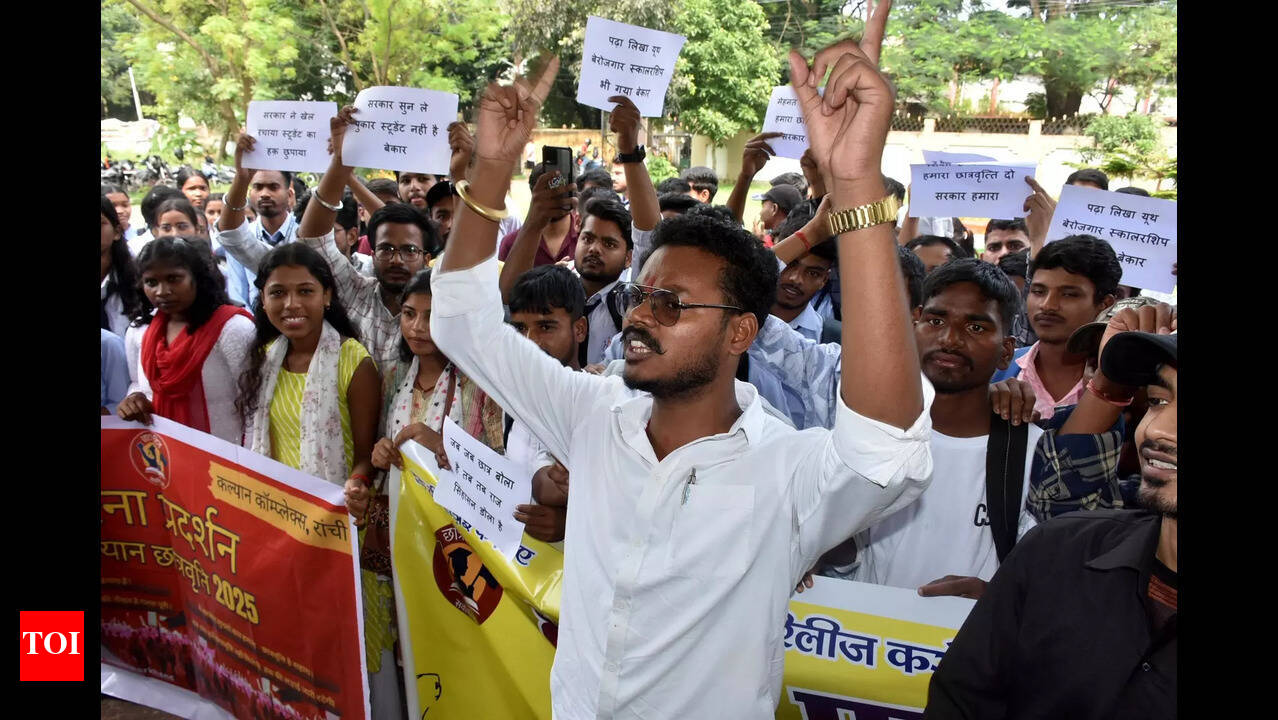
Rinku Singh’s story does not begin with his resignation. It begins years earlier, when he was serving as a Provincial Civil Services (PCS) officer.
In 2008–09, while working as a district social welfare officer, he exposed a major corruption network in scholarship and pension schemes, reportedly involving crores of rupees. (Hindustan Times)
This was not a minor administrative irregularity. It directly challenged a system that controlled public welfare funds, a space where corruption allegations have historically carried political and financial weight.
Whistleblowing, in theory, is protected. In practice, it often comes at a cost.
Seven Bullets: The Cost of Speaking Out
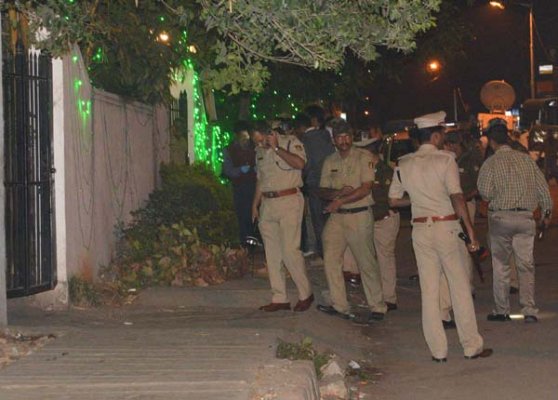
In March 2009, that cost became violently clear.
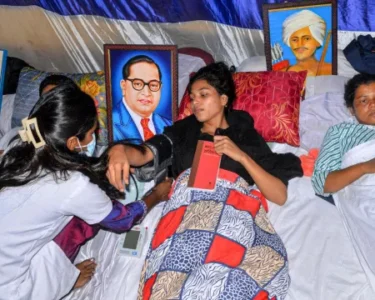
Rinku Singh was attacked and shot multiple times after exposing corruption. Reports state that he was hit by seven bullets, including two in the face, leaving him with permanent injuries, including loss of vision in one eye and severe facial damage.
He survived after a prolonged hospital stay.
This incident transformed him from a government officer into something else:
a symbol of what can happen when administrative honesty collides with entrenched interests.
And yet, he returned to service.
The Long Road Back to the IAS

Despite physical disability caused by the attack, Rinku Singh did not withdraw from public life.
He cleared the UPSC examination and entered the Indian Administrative Service in 2022 under the disability quota, marking a rare journey from whistleblower victim to top-tier bureaucrat. (Hindustan Times)
For many, this was seen as a moment of institutional redemption.
A man who had suffered for exposing corruption was now part of the system that governs it.
But the promise of that transition did not fully materialize.
The Posting That Never Came

After joining the IAS, Rinku Singh’s career took an unexpected turn.
- He was posted briefly as a Sub-Divisional Magistrate
- Within 36 hours, he was transferred after a controversy
- He was then attached to the Board of Revenue in Lucknow
From that point onward, he alleges, he was not given meaningful work for months.
In his resignation letter, he wrote that being paid without being allowed to serve the public was not acceptable.
This is where his case becomes structurally important.
Because in bureaucratic systems, denial of responsibility can be as powerful as removal from office.
The Sit-Up Incident and Public Perception

One incident that brought him into national attention was unusual.
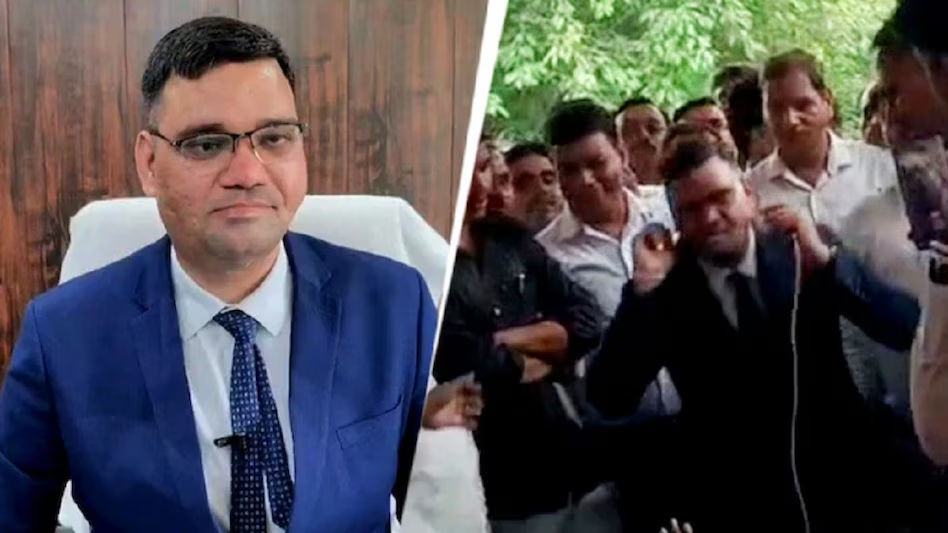
On his first day as an IAS officer in Shahjahanpur, he performed sit-ups publicly in response to a sanitation issue, taking responsibility in front of protesting lawyers.
The act was interpreted in multiple ways:
- Some saw it as humility and accountability
- Others saw it as administrative overreach or spectacle
The video went viral. Soon after, he was transferred.
While the official reasons remain administrative, the sequence added to a growing perception:
that he was being moved rather than empowered.
“System Gives Special Punishment to the Honest”

One of the most widely circulated lines associated with his resignation is this:
“The system gives special punishment to the honest.”
This statement, whether interpreted as personal frustration or systemic critique, has resonated deeply.
Political reactions followed quickly. Opposition leaders argued that honest officers are sidelined while others are rewarded, turning his case into a broader political debate.
At the same time, officials have not publicly confirmed all his allegations, leaving the matter in a space between claim and institutional response.
Family, Background, and Social Context
Rinku Singh comes from a Dalit modest background in Uttar Pradesh. His family has reportedly appealed for fair treatment and meaningful work assignments, highlighting that this is not just an individual issue but one affecting entire families tied to public service careers.

His journey, from a lower middle-class background to civil services, reflects the aspirational promise of India’s bureaucratic system.
His current situation raises questions about that promise.
The Larger Bureaucratic Question
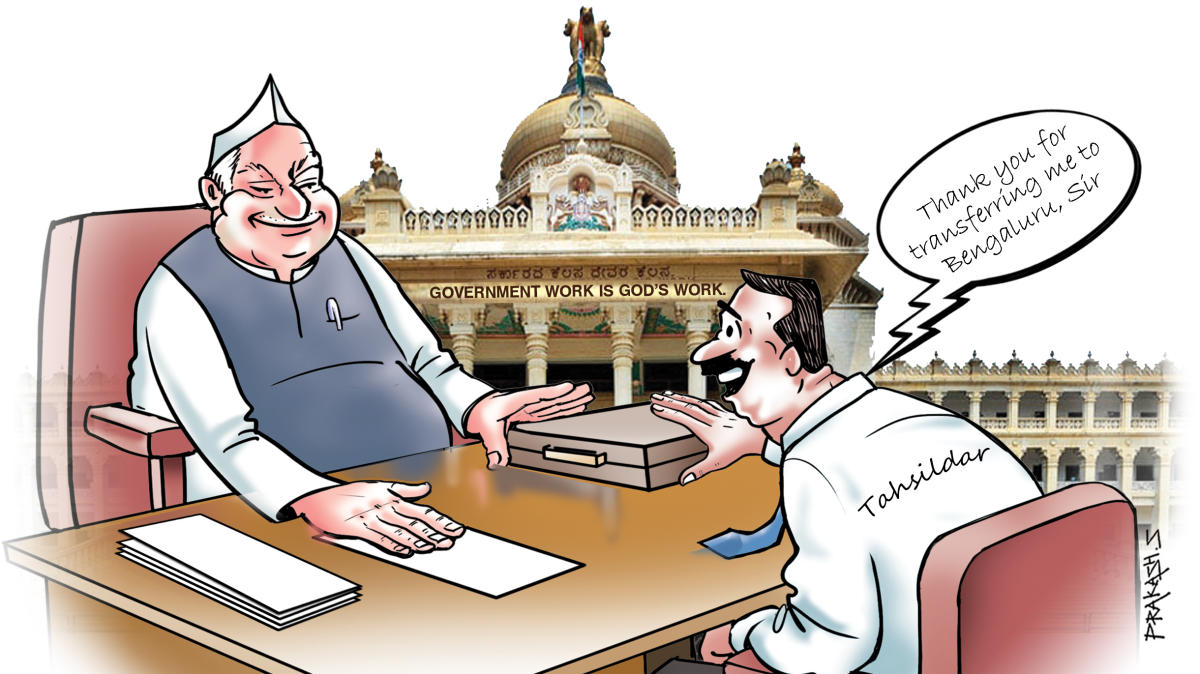
Rinku Singh’s resignation is not an isolated story.
It touches on deeper structural concerns:
- Use of transfers and postings as tools of control
- Limited protection for whistleblowers
- Tension between political authority and bureaucratic independence
- Informal systems operating alongside formal governance
Experts have long argued that administrative systems can discourage dissent not through punishment alone, but through irrelevance.
In such a system, an officer does not need to be removed.
He only needs to be ignored.
A Story Still Unresolved
This story is still developing.
Rinku Singh himself has clarified in some reports that he does not necessarily want to leave government service but wants meaningful work.
That distinction matters.
It suggests that the issue is not rejection of the system, but frustration with how the system is functioning.
Rinku Singh’s journey forces a difficult question:
What happens to integrity inside institutions that are not designed to protect it?
His story is not just about corruption, or politics, or resignation.
It is about the gap between what public service promises and what it sometimes delivers.
And that gap, once visible, is difficult to ignore.