


English is a language to communicate and it’s the most preferred as well as easiest one.


The Quiet Arrogance of English in India
There is a strange, unspoken rule that operates across India. The moment someone speaks fluent English, they are seen differently. Their words carry more weight. Their presence commands more attention. Their identity is quietly upgraded in the eyes of others. And in that same moment, someone who struggles with English is often pushed into the background, their intelligence silently discounted.
This is not just a social habit. It is a deeply conditioned mindset.
Somewhere along the way, India began to believe that English fluency is equal to education. That if a person speaks well in English, they must be knowledgeable, intelligent, and superior. But this belief collapses the moment you examine it closely. Language is a tool for communication. It is not a certificate of intelligence.
Fluency Creates an Illusion, Not Intelligence

There is a difference between sounding intelligent and being intelligent. English, in India, often helps people sound intelligent. And that is enough to create an illusion.
A person may speak perfect English, use polished vocabulary, and present ideas with confidence, yet lack basic reasoning. They may believe misinformation, follow trends blindly, and never question what they hear or read. Fluency does not prevent ignorance. In many cases, it hides it.
At the same time, a person who speaks in Hindi, Marathi, Tamil, or any other language may think deeply, analyze carefully, and understand reality far better. But because they do not package their thoughts in English, they are underestimated.
This is not about language. This is about how society chooses to judge intelligence.
Mockery Reveals the Truth About “Education”

One of the clearest signs of this flawed mindset is how people react to others who cannot speak English fluently. Instead of listening to what is being said, they focus on how it is being said. They laugh, they correct, they interrupt, and sometimes they openly mock.
But in doing so, they reveal something important.
They reveal that their idea of education is shallow.
Because truly educated individuals do not measure others by grammar or accent. They listen for meaning. They engage with ideas. They seek clarity, not superiority.
If someone’s message is clear, correcting their grammar serves no purpose except to display ego. And if the message is unclear, the response should be to ask for clarification, not to humiliate.
The purpose of language is communication, not domination.
The Superiority Complex Nobody Talks About
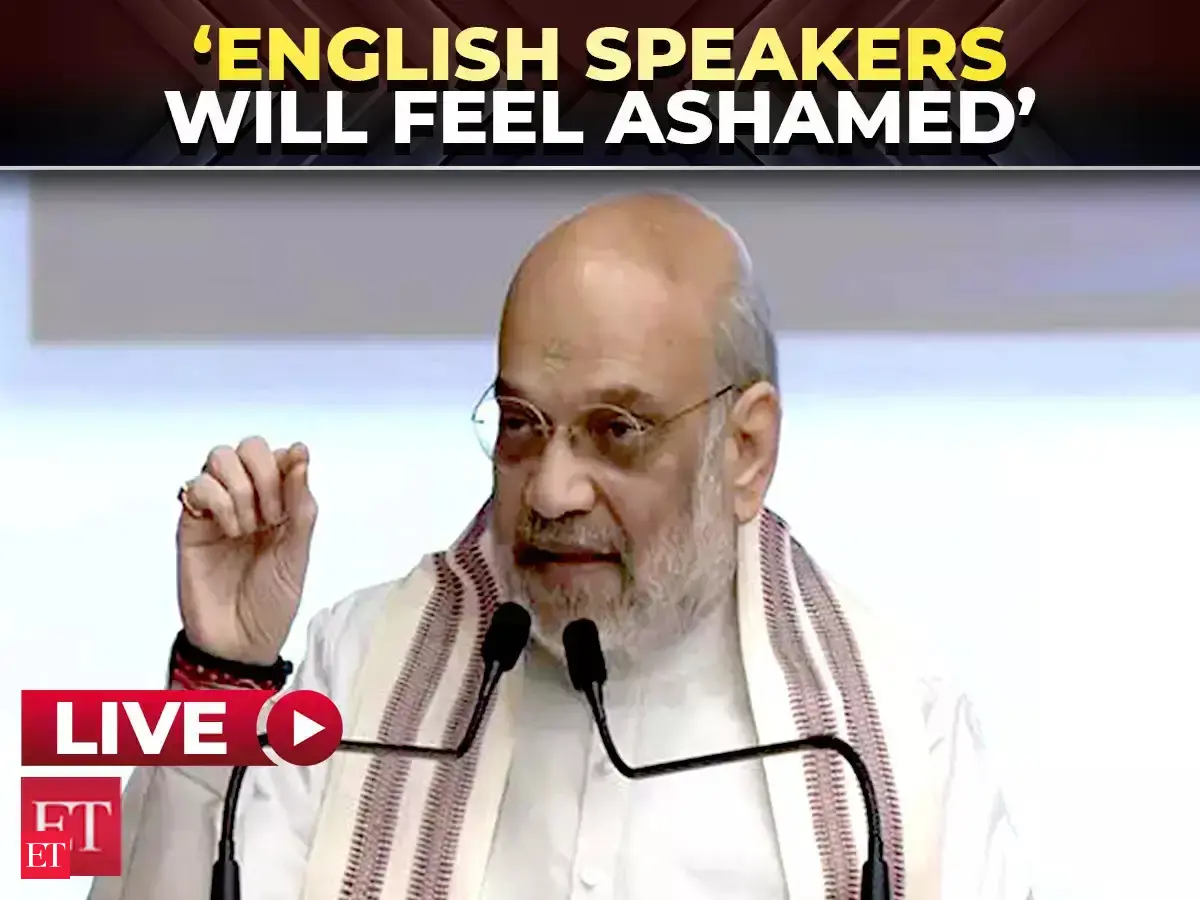
In many parts of India, English has become a symbol of class. Speaking it fluently is seen as sophistication. Not speaking it is often associated with being backward or less capable.
This creates a quiet superiority complex.
People begin to believe that their ability to speak English makes them better than others. Conversations turn into performances. Communication turns into competition. And language becomes a tool not for connection, but for exclusion.
It is not uncommon to see people switching to English unnecessarily, even when everyone present understands a local language. The goal is not clarity. The goal is image.
The Irony of Language Pride

There is a deep irony in this behavior.
When Indians speak in their own languages, many feel embarrassed or inferior. But when a foreigner speaks even a few words in Hindi or any Indian language, the reaction is pride, excitement, and admiration.
The same language that people hesitate to use becomes a source of pride when validated by outsiders.
This contradiction exposes the insecurity at the core of the issue. It is not about language itself. It is about perception and validation.
The Global Reality: Intelligence Beyond English


If English were truly a measure of intelligence, then countries where English is not widely spoken would struggle. But the opposite is true.
In Japan, France, Germany, and many other countries, people are educated, disciplined, and highly skilled, often without relying on English in daily life. Their universities are strong. Their societies function efficiently. Their civic sense is visible.
They do not need English to think.
They rely on education that builds reasoning, curiosity, and responsibility. Language is secondary. Thinking is primary.
This alone is enough to challenge the illusion that English equals intelligence.
The Real Problem: A System That Teaches Literacy, Not Education

The deeper issue lies in the education system itself.
Students are taught to read, write, and memorize. They are trained to pass exams, not to question ideas. They learn how to answer, but not how to think.
In such a system, English becomes a shortcut. It becomes a visible marker of “education” because real education, which involves critical thinking and reasoning, is not properly developed.
So society clings to what it can easily measure.
Fluency becomes proof. Accent becomes identity. And thinking is left behind.
Language Is a Tool, Not a Certificate


Language exists for one purpose: communication.
It is not a badge of intelligence. It is not a measure of knowledge. It is not a certificate of education.
Judging a person based on their English speaking ability is as irrational as judging them based on their handwriting. It focuses on form, not substance.
Real education is reflected in:
- clarity of thought
- ability to question
- depth of understanding
- openness to learning
None of these depend on English.
Breaking the Illusion

The belief that English makes someone educated is not just incorrect. It is harmful.
It creates unnecessary divisions. It discourages people from expressing themselves freely. It rewards performance over understanding.
English is useful. It opens doors. But it does not define intelligence.
Education is something far deeper. It is the ability to think clearly, question boldly, and understand the world without relying on borrowed validation.
Until that becomes the standard, society will continue to confuse language with intelligence, and fluency with knowledge.
And in that confusion, real education will remain rare.
“Also, learn the difference between education and literacy. The difference India ignores: literacy vs education.”
Support Independent Journalism
If you like our work and value deep, honest, and unfiltered reporting like this, consider supporting us. Your contribution helps us continue independent journalism.