
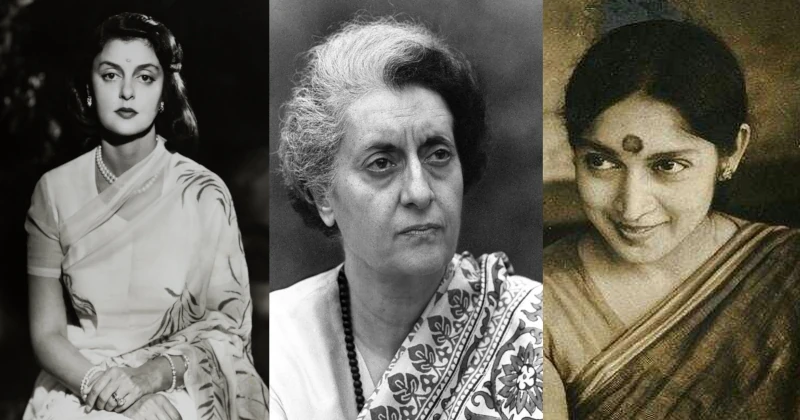
The story of Snehlata Reddy is one of the darkest and least discussed chapters of India’s Emergency period under Indira Gandhi. While official history often presents the Emergency mainly as a political crisis involving censorship and opposition arrests, stories like Snehlata Reddy’s expose a far more disturbing reality underneath: the human cost of authoritarian power.

The Emergency imposed between 1975 and 1977 remains one of the most controversial periods in Indian democratic history. Civil liberties were suspended. Opposition leaders were jailed. Press freedom was crushed. Political dissent became dangerous. Thousands of activists, journalists, students, trade unionists, artists, and ordinary citizens were detained under preventive detention laws such as MISA, the Maintenance of Internal Security Act.
For many historians, the Emergency represented the moment when democratic India briefly moved toward authoritarian rule.
Snehlata Reddy became one of the symbolic victims of that period.

Snehlata Reddy was not only an actress. She was a theatre artist, intellectual, writer, and politically conscious public figure associated with progressive activism. She and her husband Pattabhirama Reddy were connected to artistic and political circles critical of authoritarianism. During the Emergency, anyone associated with opposition networks or dissenting voices became vulnerable to state surveillance and arrest.
She was arrested under MISA on allegations linked to anti-government activities and alleged connections with socialist leader George Fernandes and opposition movements resisting Indira Gandhi’s government. Critics of the Emergency argue that the arrests during this period were often less about actual criminal threats and more about silencing dissent and creating fear.
Snehlata Reddy reportedly suffered from severe asthma and fragile health conditions even before imprisonment. Despite this, she was detained and kept in harsh prison conditions during the Emergency period. Accounts from activists, historians, and later political commentary describe deteriorating medical neglect during her imprisonment.
Critics of Indira Gandhi’s Emergency argue that the state machinery during this period treated dissent not as democratic disagreement, but as a threat to state authority itself.

One of the most disturbing aspects of Snehlata Reddy’s story is the allegation of political persecution through institutional cruelty rather than open violence. Emergency-era repression was not always visible as public executions or mass shootings. Much of it operated through:
- unlawful detention
- intimidation
- censorship
- psychological pressure
- denial of civil liberties
- medical neglect
- abuse of police and legal systems
According to accounts surrounding her detention, Snehlata’s health reportedly worsened drastically inside prison. Asthma attacks, weak medical care, physical deterioration, and prolonged detention deeply affected her condition. After eventually being released on parole due to worsening health, she died only weeks later in 1977.
For critics of the Emergency, her death became symbolic of how authoritarian systems destroy people slowly through institutional repression.
The controversy around her case continues because many believe the state effectively broke her physically and mentally before her release. While direct legal responsibility remains debated historically, political critics have long argued that the Emergency climate created conditions where dissenters were dehumanized rather than treated as citizens with rights.


The Emergency itself emerged after a political crisis involving court rulings against Indira Gandhi’s election, growing opposition protests led by Jayaprakash Narayan, economic instability, and rising political unrest. Instead of resigning after legal and political pressure intensified, Indira Gandhi declared a national Emergency in June 1975 citing threats to national stability.
What followed shocked many defenders of Indian democracy.
Press censorship was imposed. Newspapers were forced to submit content for approval. Opposition politicians were arrested overnight. Student movements were crushed. Trade unions faced restrictions. Civil liberties guaranteed under the Constitution were suspended.
Critics argue that this period exposed how fragile democratic institutions can become when power becomes centralized around one leader and one ruling structure.
For many Indians today, the Emergency remains a warning about how democratic systems can slide into authoritarianism not through military coups, but through constitutional manipulation and concentration of executive power.
Snehlata Reddy’s story therefore became larger than one individual tragedy. It represented the vulnerability of artists, intellectuals, activists, and ordinary citizens when democratic safeguards collapse.
Another reason her story resonates today is because cultural figures are often among the first targets during authoritarian periods. Writers, actors, filmmakers, journalists, comedians, professors, and activists shape public opinion. Governments that fear dissent frequently attempt to silence intellectual and artistic communities first because ideas themselves become threatening.
Historians and civil liberties activists argue that the Emergency normalized dangerous precedents:
- misuse of state institutions
- preventive detention without trial
- suppression of media freedom
- political imprisonment
- weakening judicial independence
- concentration of executive power
These concerns continue appearing in modern democratic debates across the world, not only in India.
At the same time, historians also note that Indira Gandhi remains a highly complex figure in Indian history. Supporters credit her with strong leadership during events such as the 1971 Bangladesh war, nationalization policies, and India’s geopolitical assertiveness. Critics, however, argue that the Emergency permanently damaged democratic culture and exposed authoritarian tendencies within Indian politics.
The story of Snehlata Reddy forces uncomfortable questions:
What happens when governments stop seeing dissent as democratic participation and start seeing it as disloyalty?
What happens when institutions become tools of political survival instead of constitutional accountability?
And how many stories from authoritarian periods disappear because the victims were not powerful enough to be remembered nationally?
For many civil liberties activists, Snehlata Reddy’s death remains a reminder that democracy is not only about elections. Democracy also depends on:
- freedom of speech
- institutional accountability
- judicial independence
- protection of dissent
- media freedom
- humane treatment of prisoners
- limits on state power
Without these protections, even constitutional democracies can drift toward repression.
Her story survives because it symbolizes a larger historical warning:
when political power becomes more important than civil liberty, ordinary citizens, artists, activists, and dissenters become vulnerable first.