
When tragedy strikes, people expect two things from those in power.
Justice.
And compassion.
The recent Lucknow coaching centre fire was one such tragedy. Families lost their children, dreams were shattered, and an entire state mourned. In moments like these, political speeches matter far less than empathy.
Instead, one brief interaction has become the centre of a nationwide debate.
The Moment That Went Viral
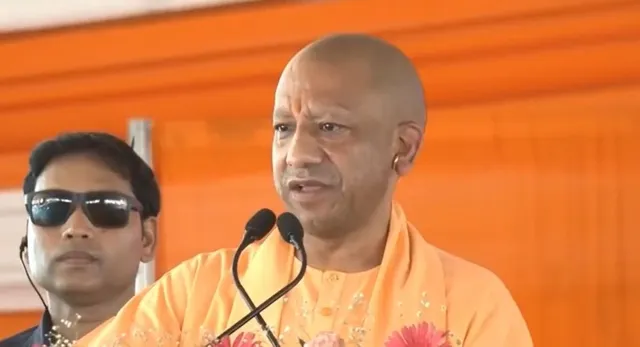
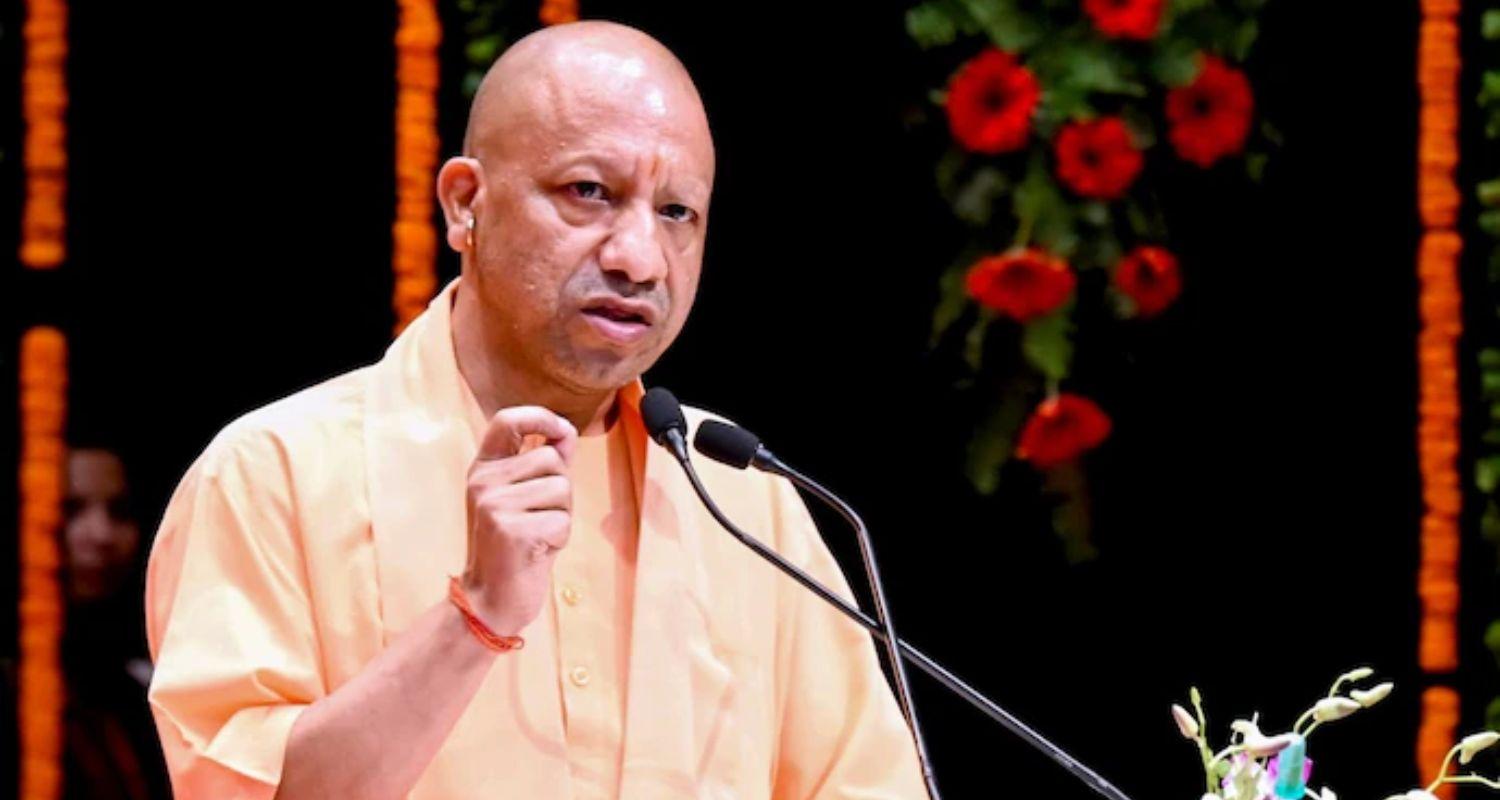
After visiting the victims’ families, Uttar Pradesh Chief Minister Yogi Adityanath was seen speaking to a grieving mother.
In the widely circulated video, the mother appears to question the authorities about safety and accountability. During the exchange, Yogi Adityanath is heard saying, “भाषण मत दो,” commonly translated as, “Don’t give me a lecture.”
The clip immediately spread across social media.
For many viewers, those words sounded dismissive toward a mother who had just lost her child. Others argued that the clip lacked full context and that the entire conversation should be considered before drawing conclusions.
Regardless of interpretation, the incident quickly became a national discussion about how leaders should communicate with grieving families.
Why the Public Reacted
A parent who has lost a child is not a political opponent.
A grieving mother is not attending a debate.
She is expressing pain.
Whether one supports or opposes the government, most people would agree that tragedy demands patience, empathy, and dignity.
Public office carries enormous responsibility.
Citizens expect elected leaders not only to govern but also to comfort people during moments of unimaginable loss.
Words spoken in such situations often become more important than policies because they reflect leadership under pressure.
The PTI Video Controversy
The controversy did not end with the interaction itself.
Alt News co-founder Mohammed Zubair later claimed on X that PTI first muted the viral video and subsequently deleted its post containing the clip.
At the time of writing, PTI has not publicly explained why the post was removed.
Without an official explanation, no conclusion can be drawn about the reason for the deletion.
However, the incident has raised important questions about editorial transparency.
When news organizations remove politically significant content without explanation, public trust suffers.
People naturally begin asking why a video disappeared and whether editorial decisions are being made independently.
Transparency matters.
If content is removed because it contains an error, explain the error.
If it is edited, explain the edit.
If it is withdrawn for legal reasons, say so.
Silence only creates speculation.
The Role of Indian Media
The media exists to question power, not to protect it.
This principle applies regardless of which political party forms the government.
Journalists are expected to report uncomfortable facts, ask difficult questions, and hold public officials accountable.
When news organizations appear selective in what they publish, edit, or remove, people begin to lose confidence in the press.
Trust cannot be demanded.
It must be earned through transparency, consistency, and independence.
That is true whether the government is led by the BJP, Congress, or any other political party.
The Bigger Issue
The real story is larger than one sentence spoken during one meeting.
It is about how governments respond to citizens after preventable tragedies.
Families who lose loved ones are not looking for political arguments.
They are looking for accountability.
They want answers.
They want to know whether safety failures will be corrected.
They want assurance that another family will not experience the same pain.
These questions deserve serious responses.
Leadership Is Measured in Difficult Moments
Every government faces crises.
Every leader encounters angry citizens.
The true measure of leadership is not how one behaves during celebrations.
It is how one behaves when standing in front of people whose lives have been devastated.
History remembers leaders who listened.
History also remembers leaders whose words deepened public pain.
The Lucknow tragedy should never become just another political controversy.
It should become a turning point for accountability, better safety standards, and more humane governance.
India deserves leaders who can face difficult questions with patience.
Citizens deserve a media that reports those moments openly and transparently.
Democracy becomes stronger when those in power are questioned, when journalism remains independent, and when grieving families are treated with dignity rather than interruption.
Because in a democracy, compassion is not weakness.
It is leadership.