
A New Protest, A Familiar Question
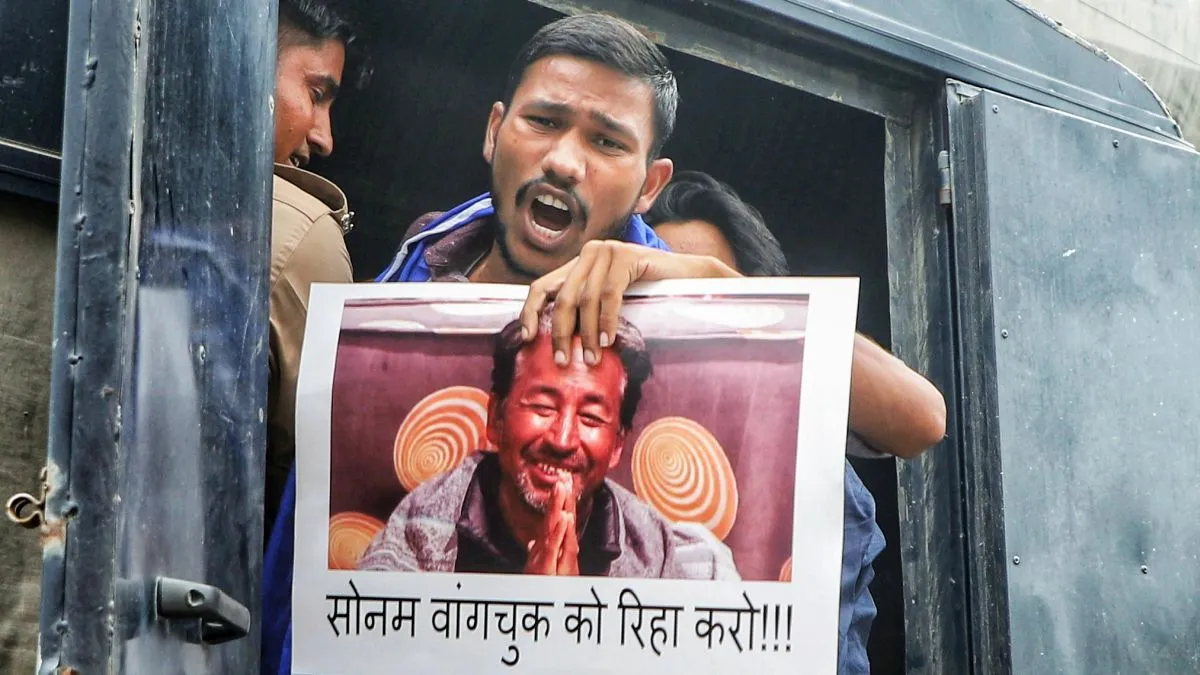
Education reformer and climate activist Sonam Wangchuk has announced that he will begin an indefinite hunger strike at Jantar Mantar in New Delhi from June 28 if the Union government does not respond to his demands by June 27.
The protest is not focused on a single issue. Instead, it combines two national concerns that Wangchuk says cannot be ignored any longer: accountability in India’s education system following the NEET controversy and long-pending constitutional and environmental demands from Ladakh.

Why Is Wangchuk Protesting?
According to Wangchuk, the government still has time to resolve at least one of the major issues before the deadline expires.
On the education front, he has repeatedly argued that repeated examination controversies have damaged public trust in India’s competitive examination system. He believes those responsible must be held accountable and that meaningful reforms are necessary to restore confidence among students and parents.
Alongside education, Wangchuk continues to raise concerns about the protection of Ladakh’s fragile environment, cultural identity, and demands for stronger constitutional safeguards.
The Education Debate
India’s education system affects millions of students every year. Entrance examinations such as NEET determine the future of aspiring doctors across the country.
When allegations of paper leaks, administrative failures, or irregularities emerge, they do not simply become political controversies. They directly affect students who spend years preparing for these examinations.
Wangchuk argues that accountability is essential if public confidence in the system is to be restored.
Growing Pressure on the Government
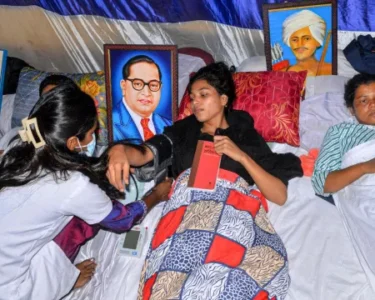
The announcement of the hunger strike comes as protests demanding accountability over education-related issues continue at Delhi’s Jantar Mantar. Several groups have called for reforms and, in some cases, demanded the resignation of Union Education Minister Dharmendra Pradhan over the handling of examination controversies.
The government has not announced any decision in response to Wangchuk’s latest deadline.
More Than Politics
Although political parties have reacted to the announcement, Wangchuk continues to frame his campaign as a movement for accountability rather than electoral politics.
His message remains that education, transparency, and environmental protection should remain above party interests.
What Happens Next?
The June 27 deadline will determine whether the government engages with Wangchuk’s demands or whether the planned indefinite hunger strike begins at Jantar Mantar on June 28.
Regardless of the outcome, the protest is expected to renew national attention on the future of India’s education system and the unresolved issues surrounding Ladakh.
Whether one agrees with Wangchuk’s methods or not, the questions he raises about accountability, institutional trust, and governance are likely to remain part of the national conversation long after the protest concludes.