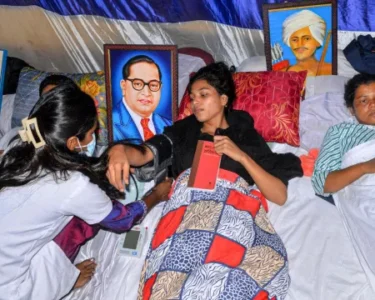

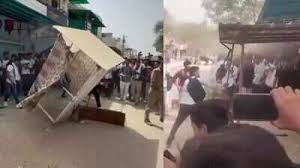
For millions of young Indians, competitive examinations are not just tests. They represent years of preparation, financial sacrifice, emotional pressure, and the hope of securing a stable future. Every examination day is the result of countless sleepless nights, months of study, coaching fees paid by families, long-distance travel, and dreams built around a single opportunity. That is why the sudden cancellation of the SSC GD Constable examination at multiple centres in Uttar Pradesh, particularly at City Modern Academy in Lucknow, triggered anger and frustration among thousands of aspirants. What should have been a routine examination day quickly turned into chaos, confusion, and protests.
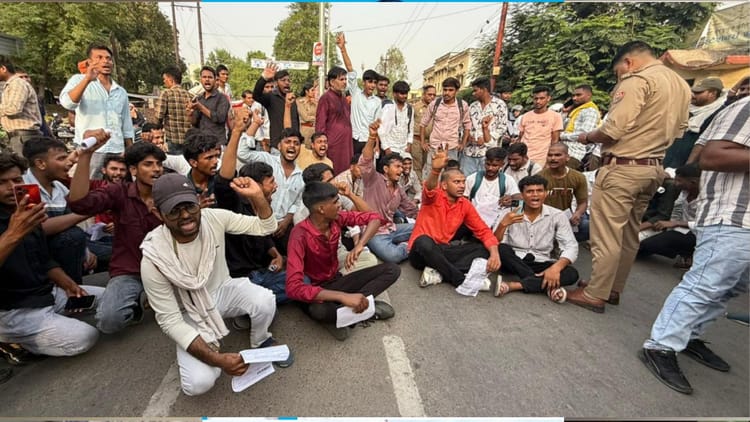
According to official notices issued by the Staff Selection Commission’s Central Region office, the SSC GD Constable 2026 examination scheduled on 25 May for the second and third shifts at City Modern Academy, Lucknow, was cancelled due to technical reasons. Authorities stated that affected candidates would receive fresh admit cards and the examination would be rescheduled at a later date. The Commission also expressed regret for the inconvenience caused.
However, for students standing outside examination centres, the issue was far bigger than a simple technical problem. Many candidates had travelled from distant districts and neighbouring states to reach their centres. Some spent money on transportation, hotels, food, and last-minute arrangements. Others had taken leave from work or postponed personal responsibilities to appear for the examination. When candidates arrived only to learn that the exam would not take place, frustration was inevitable. Videos circulating on social media showed large crowds of disappointed aspirants gathering outside centres, demanding answers and expressing anger over what they described as poor planning and mismanagement.
Reports indicated that overcrowding became a major factor behind the disruption. According to media reports, authorities allegedly called a number of candidates that significantly exceeded the capacity of certain centres. This resulted in severe crowd management problems and raised concerns about whether the examination could be conducted fairly and safely. Eventually, officials decided to cancel the affected sessions rather than continue under chaotic conditions. (
For many students, the cancellation reopened old wounds. Over the past several years, India has witnessed repeated controversies involving recruitment examinations, entrance tests, technical failures, alleged paper leaks, delayed results, and administrative confusion. Every time an examination is cancelled or postponed, officials often describe it as an inconvenience. But for candidates, it feels much bigger. Many aspirants spend years preparing for government jobs while facing immense social and financial pressure. Families invest their savings in coaching institutes, study materials, and travel expenses. When examinations collapse because of administrative failures, students feel that their effort and sacrifice are being treated casually.
The emotional impact is often ignored in public discussions. Competitive examination candidates already operate under extraordinary stress. They face uncertainty about vacancies, changing recruitment policies, age limits, cut-off marks, and intense competition. A cancelled examination adds another layer of anxiety. Students begin questioning whether future examinations will be conducted properly, whether recruitment timelines will be delayed, and whether they will have to spend additional money travelling again. What appears to be a technical failure on paper becomes a deeply personal setback for thousands of young people.
The Lucknow incident also reignited broader concerns about accountability in India’s examination system. Students and education activists increasingly argue that whenever administrative failures occur, responsibility remains unclear. Examinations are postponed, cancelled, or rescheduled, but candidates rarely see transparent explanations about how mistakes happened or who will be held accountable. This absence of accountability often fuels public distrust. Many aspirants believe that unless authorities conduct independent reviews and openly communicate findings, similar incidents will continue to occur.
At the same time, it is important to recognise that the cancellation itself was intended to prevent an unfair examination from taking place. Authorities argued that overcrowding and technical issues made it impossible to conduct the exam properly. In that sense, cancelling the affected shifts may have been preferable to conducting a flawed examination that could later face legal challenges or allegations of unfairness. Yet students argue that such problems should have been identified before candidates reached examination centres, not after thousands had already arrived.
The protest scenes outside examination centres reflected more than anger over one examination. They reflected growing frustration among young Indians who increasingly feel trapped in an unpredictable recruitment environment. Government jobs remain highly sought after because they offer stability, security, and social mobility. As competition intensifies, candidates expect institutions to uphold the highest standards of planning and transparency. When those standards appear to fail, public trust suffers.
The SSC has announced that affected candidates will be given another opportunity through a rescheduled examination and fresh admit cards. Yet the larger conversation is unlikely to disappear. The Lucknow cancellation has once again raised difficult questions about examination management, infrastructure preparedness, candidate welfare, and institutional accountability. For thousands of students who stood outside closed gates after months of preparation, the issue is no longer simply about one missed examination. It is about whether India’s recruitment system can consistently deliver the fairness, reliability, and professionalism that millions of aspirants deserve.
As the country continues to depend on competitive examinations as a pathway to employment and opportunity, incidents like these serve as a reminder that every cancelled exam affects far more than a schedule. It affects trust, confidence, mental well-being, family finances, and the future plans of thousands of young people. Until examination authorities address these concerns with transparency and accountability, student frustration is unlikely to fade.
Sources: Official SSC Central Region cancellation notice and multiple news reports regarding the cancellation of SSC GD Constable 2026 examination sessions at City Modern Academy, Lucknow, and related student protests.