
The conflict around Afghanistan rarely trends, rarely dominates headlines, and rarely sparks the same global outrage seen in other geopolitical crises. Yet, civilians in Afghanistan continue to suffer from airstrikes, cross-border operations, and militant violence. In recent years, Pakistan has carried out strikes inside Afghan territory, claiming to target militant groups operating near the border. These operations, however, have repeatedly raised serious concerns because civilians, including women and children, have been caught in the middle.
What makes these incidents deeply disturbing is not just the violence itself, but the pattern that follows. When reports emerge of Afghan villages being hit, homes destroyed, or civilians killed during sensitive periods like Ramadan, the global response remains limited. There are no large-scale protests, no sustained media outrage, and no overwhelming pressure from international voices demanding accountability. The silence is noticeable, and for many, it feels intentional.

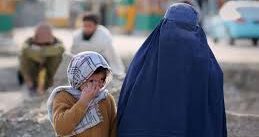
Pakistan justifies its actions by citing national security concerns, particularly the presence of groups like Tehrik-i-Taliban Pakistan operating from Afghan soil. From Islamabad’s perspective, these strikes are defensive. But from the ground in Afghanistan, the reality looks very different. Families lose their homes. Children lose their lives. Entire communities are left traumatized. The gap between strategic justification and human cost is massive.
The role of the United States also cannot be ignored. For decades, Pakistan has been a key ally in American foreign policy in the region. This long-standing relationship has often led to accusations that Pakistan operates with a degree of protection or tolerance from Western powers. Critics argue that this geopolitical shielding contributes to the lack of strong international condemnation when incidents involving Afghan civilians occur.
But the most uncomfortable question is not about governments. It is about people.Why does outrage appear instantly for some conflicts, but remain absent for others?
When certain countries are involved, social media explodes with anger, hashtags, and moral arguments. Influencers, activists, and self-proclaimed defenders of human rights speak loudly and repeatedly. But when Afghan civilians are killed, even under tragic circumstances, the same voices often remain silent. This selective outrage exposes a harsh truth. For many, human rights are not universal. They are conditional.
This is not about choosing one conflict over another. It is about consistency. If someone claims to stand for justice, then that standard should apply everywhere. Civilian lives in Afghanistan should matter just as much as civilian lives anywhere else. Pain does not change based on nationality. A grieving mother in Kabul is no different from a grieving mother anywhere in the world.

Ignoring one tragedy while amplifying another is not activism. It is bias.
Afghanistan has already endured decades of war, foreign intervention, and internal instability. Its people have paid the price again and again. When new incidents happen and the world looks away, it sends a clear message that some suffering is easier to ignore.
- If outrage is selective, then it is not truly outrage.
- If empathy has limits, then it is not truly empathy.
And if people only speak when it is convenient, then they are not defending human rights. They are defending narratives.