

A Statement That Sounds Stupid but Reveals Something Deeper
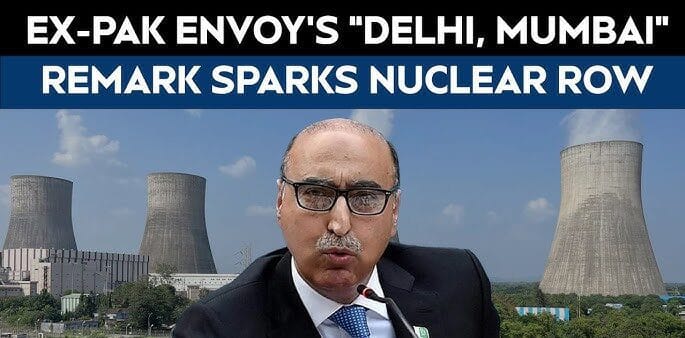
When former Pakistani diplomat Abdul Basit spoke about targeting Indian cities like Delhi and Mumbai if the United States attacks Pakistan, the statement immediately caught attention. It sounded bold and aggressive, almost like a warning of escalation.
But when this statement is examined carefully, it begins to reveal something very different. It is not really about India. It is about Pakistan’s position in a situation where it cannot directly respond to the United States.
This changes the entire meaning of the statement. What appears as strength on the surface starts to look like a reflection of limitation underneath.
Why Target India Instead of the United States
To understand the logic, it helps to simplify the situation.
In a normal conflict, if one country attacks another, the response is directed at the attacker. But here the suggested response is different. If the United States attacks Pakistan, then Pakistan targets India.
The reason behind this is straightforward. Pakistan does not have the military reach, technological capability, or global positioning to directly strike the United States in a realistic scenario. The distance is large, and the power difference is significant.
Because of this, the thinking shifts. Instead of hitting the main opponent, the focus moves toward a nearby and more accessible rival. This is what is known as indirect escalation.
It is not about defeating the attacker. It is about expanding the conflict.
Is This Similar to Iran’s Strategy
Many observers have compared this thinking with strategies seen in the Middle East, particularly involving Iran.
The logic behind that comparison is simple. When a country cannot directly engage a stronger power, it may try to create pressure in nearby regions. This spreads instability and forces larger powers to respond to a wider situation.
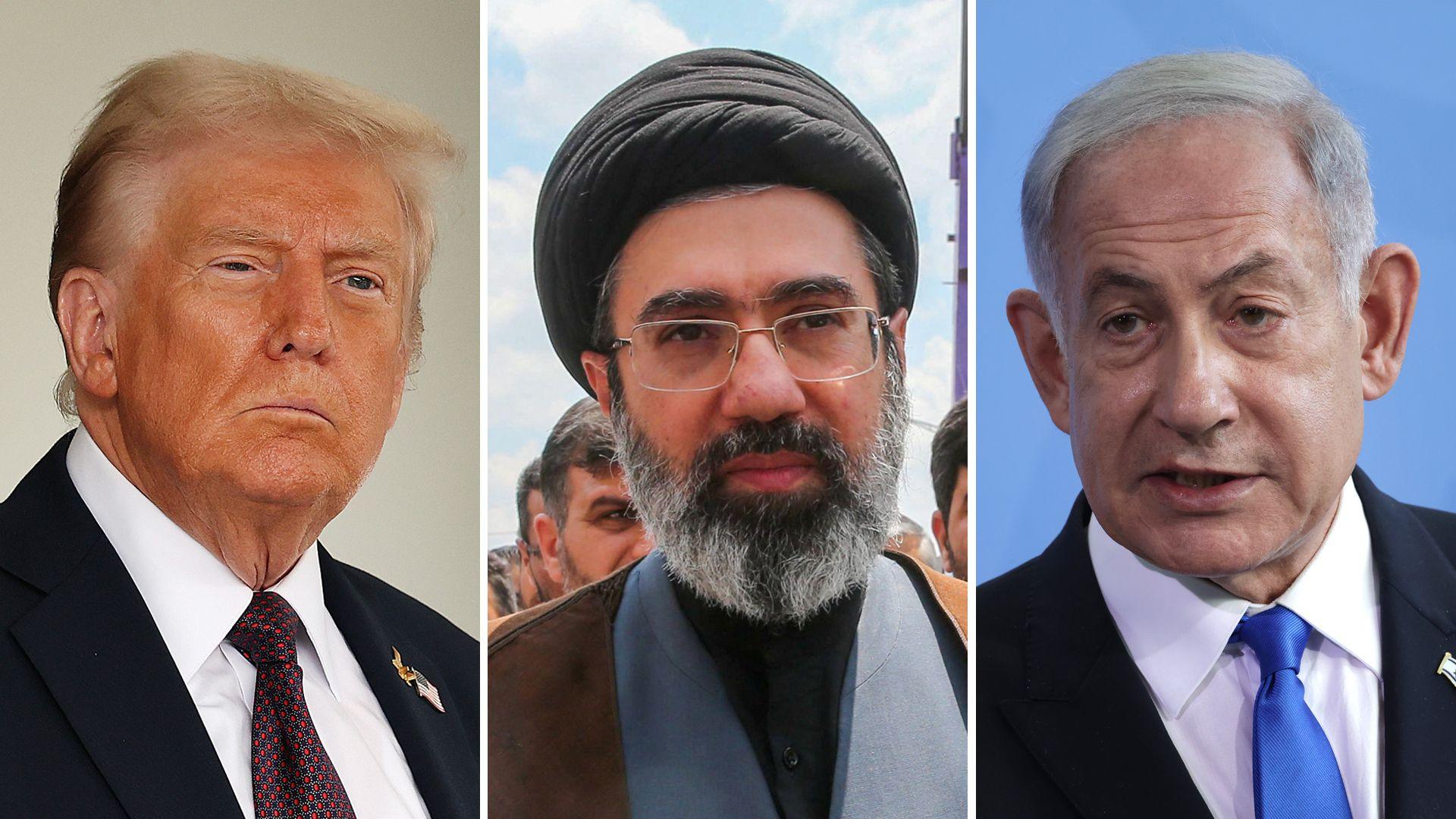
This type of thinking focuses on indirect pressure rather than direct confrontation.
However, this comparison has limits.
Why Pakistan and Iran Are Not in the Same Position
Although the logic may look similar, the conditions are very different.
Iran operates in a region where it has strong influence, strategic geography, and economic leverage through energy. Its actions can affect multiple countries and even global markets.
Pakistan does not have the same level of influence or control over regional dynamics. Its economic leverage is limited, and its strategic reach is narrower.
Because of this, applying a similar approach does not produce the same results. What may create pressure in one region can create instability without control in another.
The Strategic Risks of Targeting India
If such an idea were ever implemented, the risks would be immediate and serious.
- It would open a second front of conflict
- It would escalate the situation beyond control
- It would involve a stronger conventional military
- It would increase chances of full regional war
- It would trigger global diplomatic pressure
Most importantly, it would not address the original conflict with the United States. Instead, it would create a more complex and dangerous situation.
This is why many analysts see this as escalation without clear strategic benefit.
What This Statement Actually Represents
At its core, this statement reflects a deeper strategic reality.
Pakistan operates under certain constraints. It cannot match the United States globally, and it faces a stronger India in the region. These conditions shape how strategic ideas are formed.
When direct options are limited, indirect ideas begin to appear. These ideas are not always about execution. Often, they are about signaling.
The message behind such statements is not always literal. It is meant to show that any conflict could expand, that it will not remain limited.
This is a way of increasing uncertainty.
Rhetoric, Not a Real War Plan
Most geopolitical experts do not interpret this as a practical military plan.
Instead, they see it as:
- Strategic signaling
- Psychological messaging
- A way to influence perception
Even the statement itself was described as a worst-case scenario, not an official policy. This reinforces the idea that it is not a defined strategy.
However, rhetoric still has consequences. It shapes public perception, increases tension, and influences how countries view each other.

The idea of targeting India in response to a US attack may sound aggressive, but it does not reflect a clear or effective strategy.
It reflects a situation where direct response is not possible, and alternative ideas are explored. It shows how limitations can influence strategic thinking.
This is not about copying another country’s strategy completely. It is about reacting to constraints in a specific environment.
In the end, the statement tells us more about the challenges Pakistan faces than the strength it is trying to project.
Because in geopolitics, real power is measured not by what is said, but by what can actually be done.