A Decision That Changed the Entire Narrative

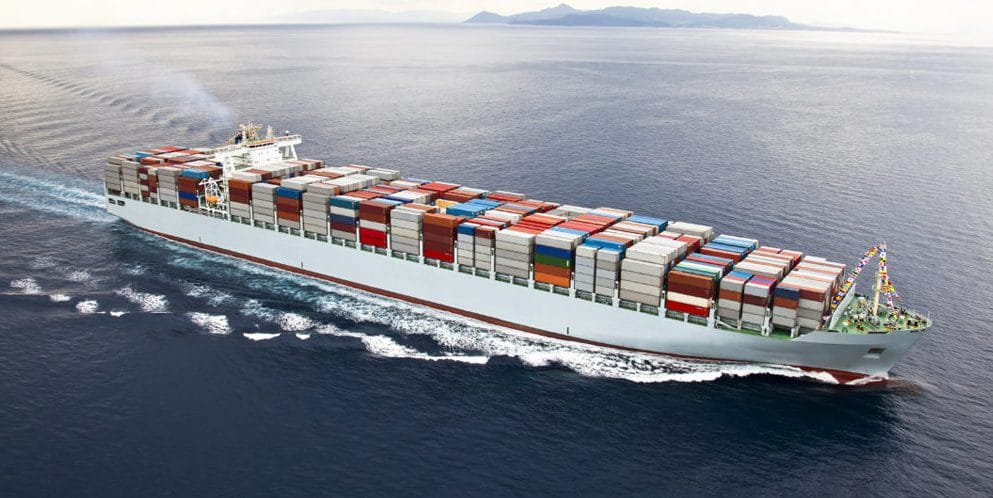
At a time when the world was expecting a complete shutdown of one of the most important oil routes, Iran made a very calculated move. Instead of closing the Strait of Hormuz entirely, it chose to allow only a few selected countries to continue shipping through it.
And that is where things get interesting.
Iran clearly said that ships from five countries would not be stopped. These include India, China, Russia, Pakistan, and Iraq. Everyone else, especially countries seen as part of the conflict or aligned against Iran, faces restrictions.
This is not a full blockade.
This is controlled access.
Why This Decision Matters More Than It Looks

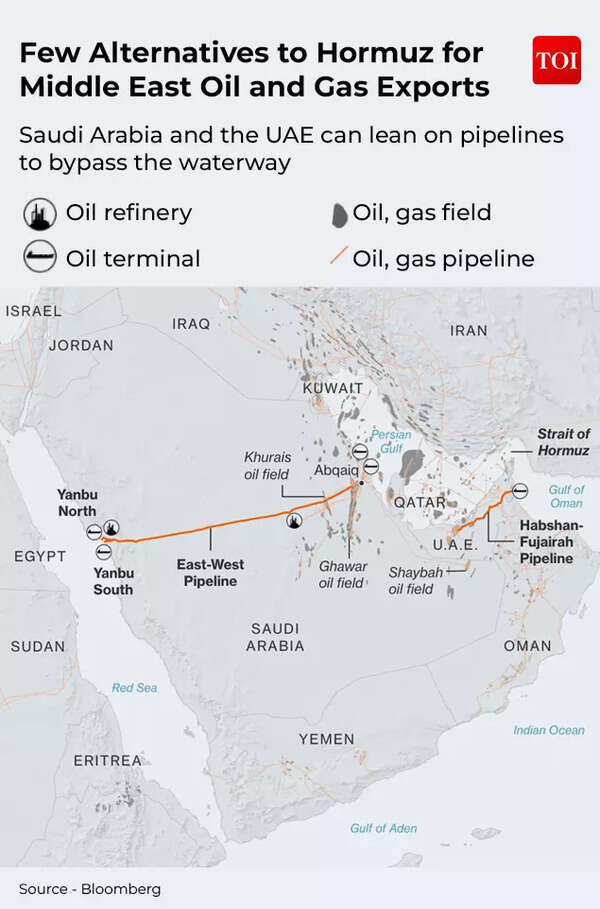

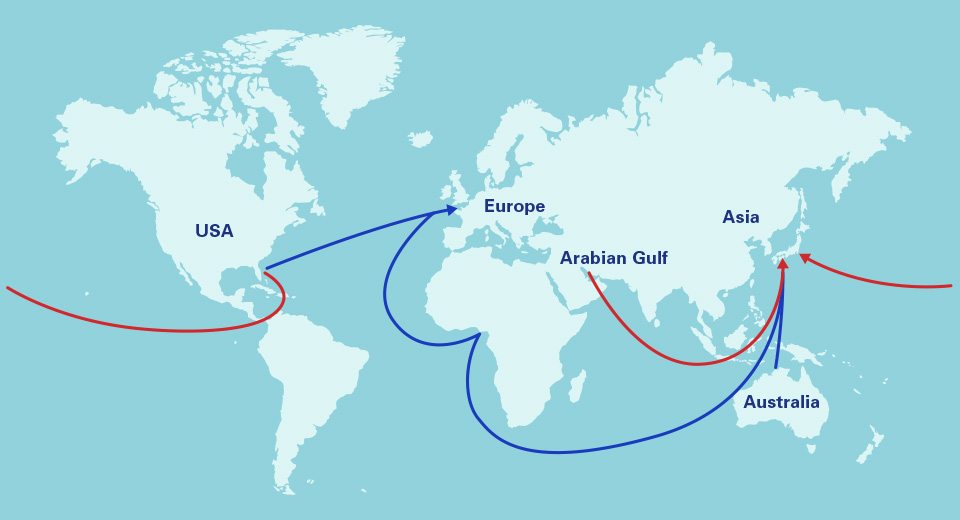
The Strait of Hormuz is not just another water route. It is one of the most critical points in global trade. A large portion of the world’s oil passes through this narrow stretch every single day.
If this route is blocked completely, the impact is immediate. Oil prices rise, supply chains get disrupted, and economies that depend on imports face pressure within days.
That is why even a partial decision like this one has global consequences.
Iran has not stopped everything.
It has decided who can continue.
Why India Is on the “Friendly” List
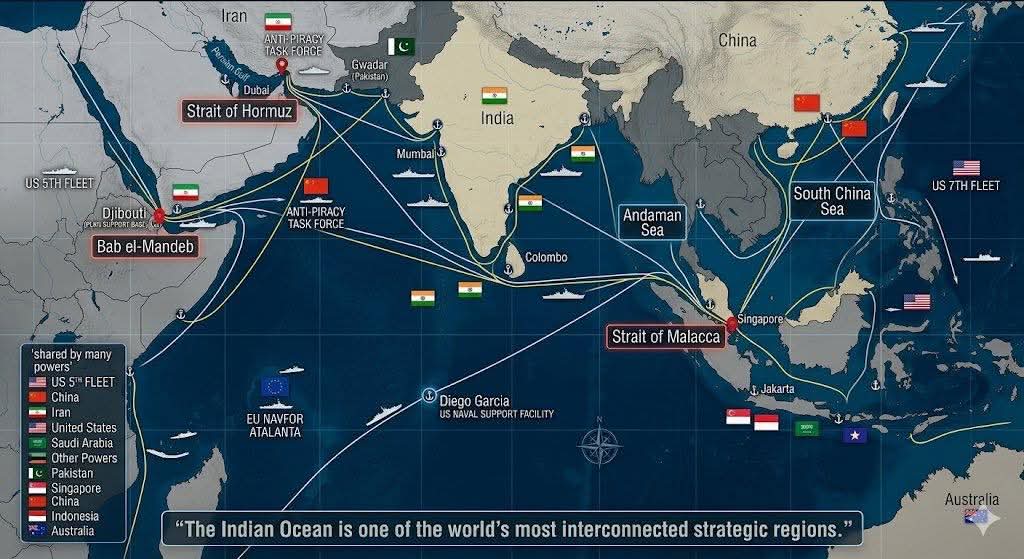
India’s presence on this list is not random.
India maintains a relatively balanced position in global conflicts. It has economic ties with multiple sides and avoids direct involvement in such situations. This makes it a “safe” country for Iran to continue trade with.
There is also a practical reason.
India is a major buyer of energy resources. Keeping trade open with India ensures that Iran does not completely isolate itself economically. It allows business to continue while still applying pressure on selected countries.
This is strategic, not emotional.
What Iran Is Actually Trying to Do
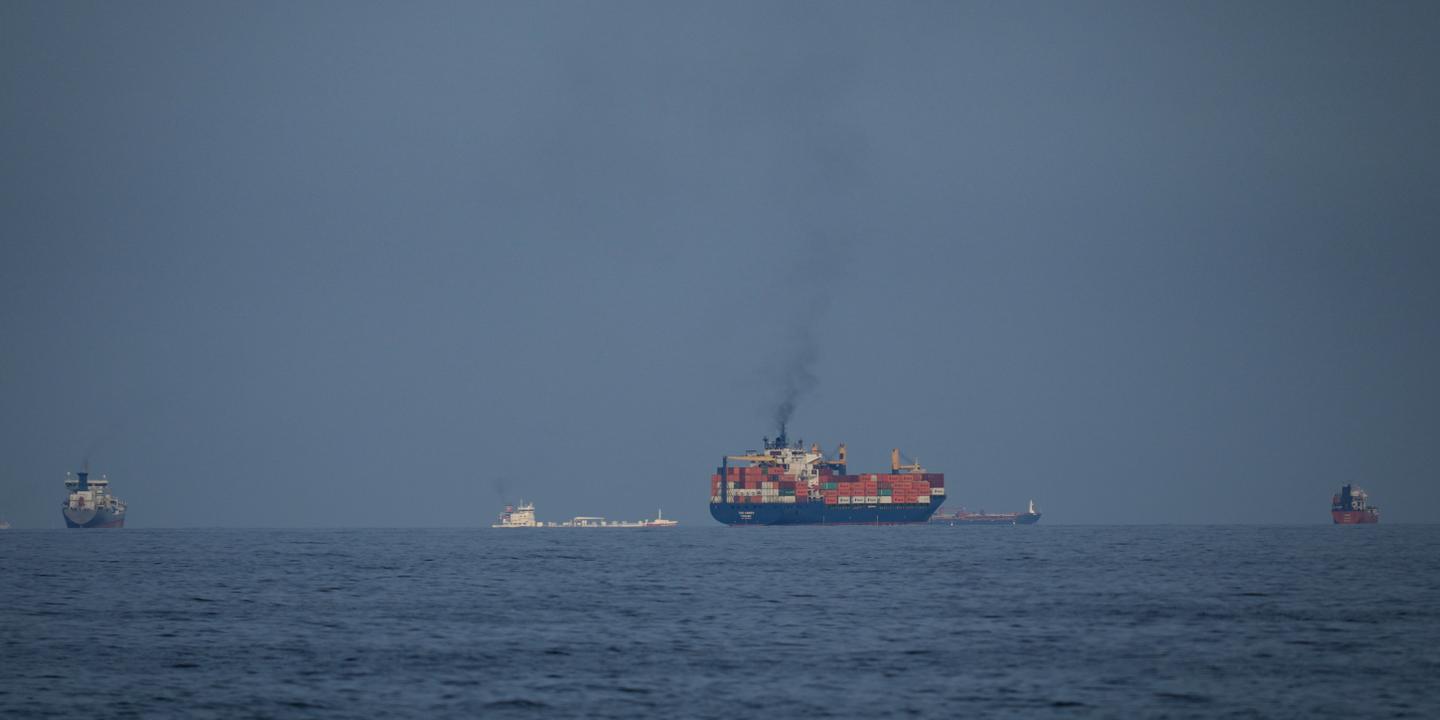
This move shows a very clear strategy.
Iran is not trying to shut down global trade. That would hurt everyone, including itself. Instead, it is using selective control.
By allowing some countries and restricting others, Iran achieves three things at once.
First, it shows control. It proves that it can influence one of the most important routes in the world.
Second, it creates pressure. Countries that are restricted feel the economic impact immediately.
Third, it avoids isolation. Friendly or neutral countries continue trade, which keeps economic connections alive.
This is not chaos.
This is calculated pressure.
Why This Is Different From a Full Blockade
A full blockade is simple. No one passes.
But what Iran is doing is more complex.
It is choosing who passes.
This creates a different kind of power. Instead of stopping everything, it controls the flow. This gives Iran flexibility.
If it wants to increase pressure, it can tighten restrictions.
If it wants to reduce tension, it can allow more movement.
This makes the situation unpredictable, and unpredictability itself becomes a tool.
What This Means for the World

For the global economy, this is a warning signal.
Even though ships from some countries are allowed, the region is still unstable. It has effectively become a controlled conflict zone.
Shipping companies become cautious. Insurance costs increase. Routes become risky.
Even allowed countries are not completely safe. They are simply less restricted.
This means uncertainty continues.
And in global markets, uncertainty itself is enough to create disruption.
The Bigger Picture
This situation is not just about ships or oil.
It is about control.
Iran is using geography as power. Instead of direct confrontation, it is controlling a critical route and deciding who gets access.
This changes the nature of conflict.
It is no longer just about military strength.
It is about who controls movement, trade, and resources.
Iran’s decision to allow only five “friendly” countries through the Strait of Hormuz is not a random move. It is a calculated strategy.
It avoids total shutdown, maintains economic ties, and creates pressure at the same time.
For India, it brings short-term relief. But for the world, it signals a deeper shift.
Because when access to critical routes becomes selective, the balance of power starts changing.
And that is where the real story begins.


1 Comment