

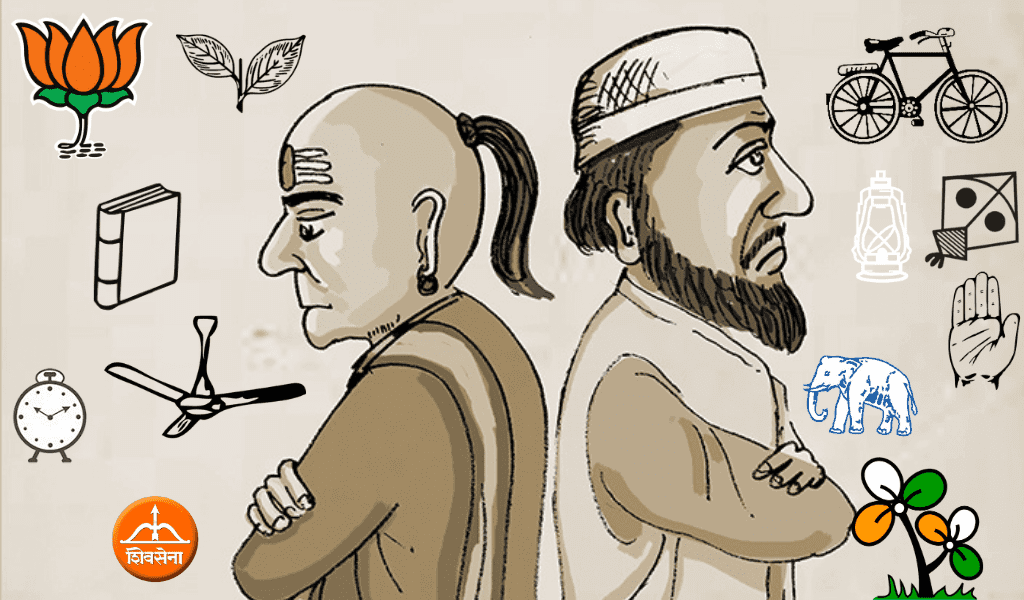
Identity Politics in India: A Dangerous Shift Away from Unity
An Opinion Rooted in Reality, Not Just Theory

India is one of the most diverse countries in the world. Different religions, castes, languages, and cultures exist together. This diversity can be a strength when people see themselves as equal citizens first. But when politics begins to focus only on identity, it slowly turns this strength into division. Identity based politics reduces a human being to just one label. Religion, caste, or region becomes more important than humanity itself. That is where the real danger begins.
In my view, identity politics is not just a political strategy. It is a slow poison. It does not break society instantly. It divides people over time, emotionally and mentally, until unity becomes weak and mistrust becomes normal.
A Real Story That Explains Everything
From Fear to Friendship
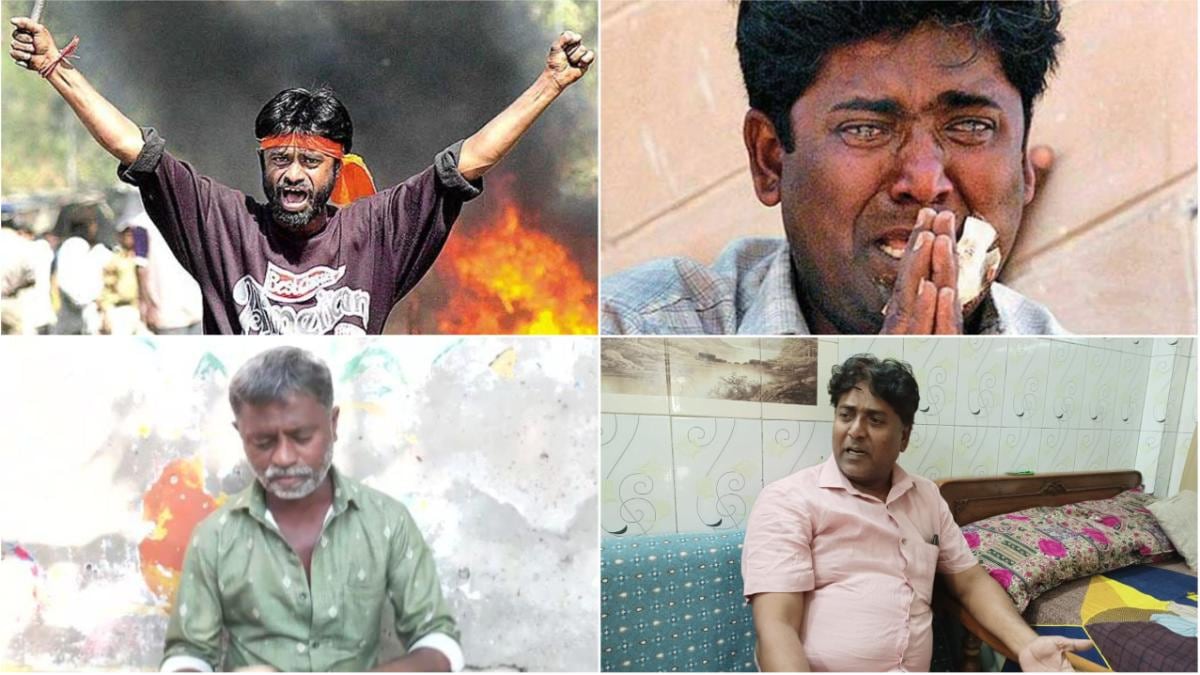
In 2002, during the Gujarat riots, one image shook the entire country. It showed Qutubuddin Ansari, a man crying and begging for his life. That image became a symbol of fear, division, and communal hatred. Around the same time, Ashok Mochi, a Hindu cobbler, was also living through the same violent environment. Both were affected by a system where identity mattered more than human life.
Years passed, but their story did not end there.
In 2014, both Ansari and Ashok Mochi came together in Kerala at an event organized by CPI(M). This moment was important because it showed something rare. Two individuals who were once seen as part of different sides of a violent narrative stood together on the same platform. Leaders like P. Jayarajan supported Ashok Mochi, helped him financially, and gave him an opportunity to rebuild his life.
Then came 2019.

Qutubuddin Ansari was invited as the chief guest to inaugurate Ashok Mochi’s shoe shop in Ahmedabad. He stood there, cutting the ribbon, celebrating Ashok’s success. This was not just an event. It was a message. A message that humanity is bigger than identity.
What This Story Truly Shows
Humanity Is Not the Problem, Politics Is
This real life example clearly shows that people are not naturally divided. They are made to feel divided. Two individuals, once connected to a painful past, chose respect and friendship over hatred.
Identity politics does the opposite. It constantly reminds people of their differences. It builds a mindset where one group must see another group as a threat. It feeds on fear and emotional reactions.
If people are left alone without political influence, they often find ways to coexist. But when identity becomes political currency, division becomes permanent.
Understanding Identity Politics in India
Different Forms, Same Pattern
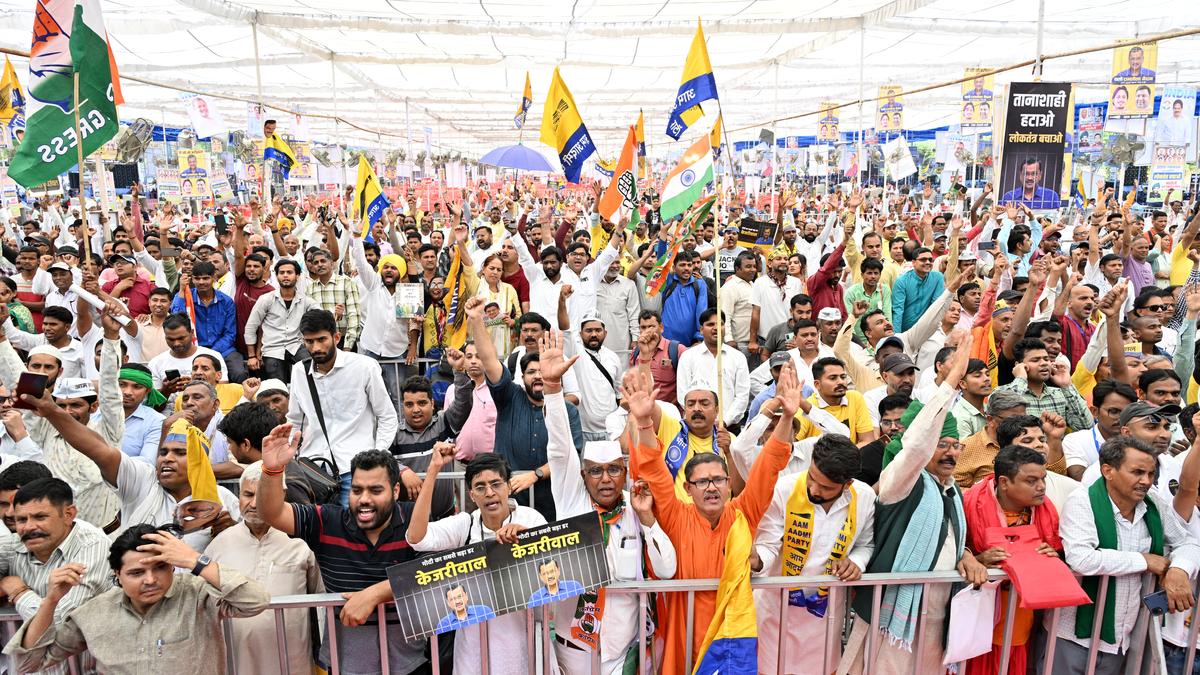
Identity politics in India is not limited to one ideology or one group. It appears in many forms:
- Religious narratives like Hindu Rashtra or Darul Islam
- Regional movements like Dravidian nationalism
- Separatist demands like Khalistan
- Caste based mobilization such as Ambedkarite politics and parties like BSP
Each of these has its own history and context. But when identity becomes the main political tool, the outcome is always similar. Division, emotional conflict, and distraction from real issues.
Why Identity Politics Is So Effective
Emotional Power Over Logical Thinking
Identity based politics works because it connects directly with emotions. When people feel that their identity is under threat, they react strongly. Logic becomes secondary.
Politicians understand this clearly. It is easier to mobilize people using fear and pride than by delivering actual results. Emotional narratives spread faster, especially on social media.
Young people are the most affected. Identity gives them a sense of belonging, but it also limits their thinking. Instead of questioning policies, they start defending identities.
The Impact on Youth
From Potential to Polarization
India has a young population full of energy and ambition. This should be the country’s biggest strength. But identity politics turns this into weakness.
Instead of focusing on education, careers, and innovation, many young people get involved in identity based debates. They begin to see the world in terms of “us vs them”. This reduces critical thinking and stops real growth.
A generation that should be building the future ends up protecting divisions created by politics.
The Real Cost: Development Gets Ignored
Division Replaces Progress

When identity becomes the center of politics, real issues disappear:
- Unemployment
- Education quality
- Healthcare systems
- Economic growth
These topics require effort and accountability. Identity politics does not. It only needs emotional engagement.
This is why it is dangerous. It shifts focus from progress to division. It benefits politicians but harms the country.
The Ashok Mochi Lesson for India
A Clear Answer to Divisive Politics
The story of Ashok Mochi and Qutubuddin Ansari is more powerful than any political speech. It proves that people can move beyond identity. It proves that coexistence is possible even after conflict.
If two individuals from such a painful background can stand together, then clearly the problem is not society itself. The problem is the narratives pushed by identity based politics.
India needs more such examples, not more divisions.
A Better Way Forward
Citizenship Over Identity
India does not need to remove identity. Identity is natural. But it should not control politics.
The focus should shift to:
- Equal rights
- Opportunities for all
- Accountability from leaders
- National development
People should ask questions that matter. Not about who belongs to which group, but about what is being done for the country.
identity based politics may give short term emotional satisfaction, but it creates long term damage. It divides society, weakens youth potential, and slows down national progress.
India’s future depends on one choice. Whether people continue to think as separate identities, or rise above them as one nation.
The story of Ashok Mochi shows one simple truth. Humanity wins when identity stops controlling politics.
1 Comment