

A Public Health Warning That Became a Legal Dispute
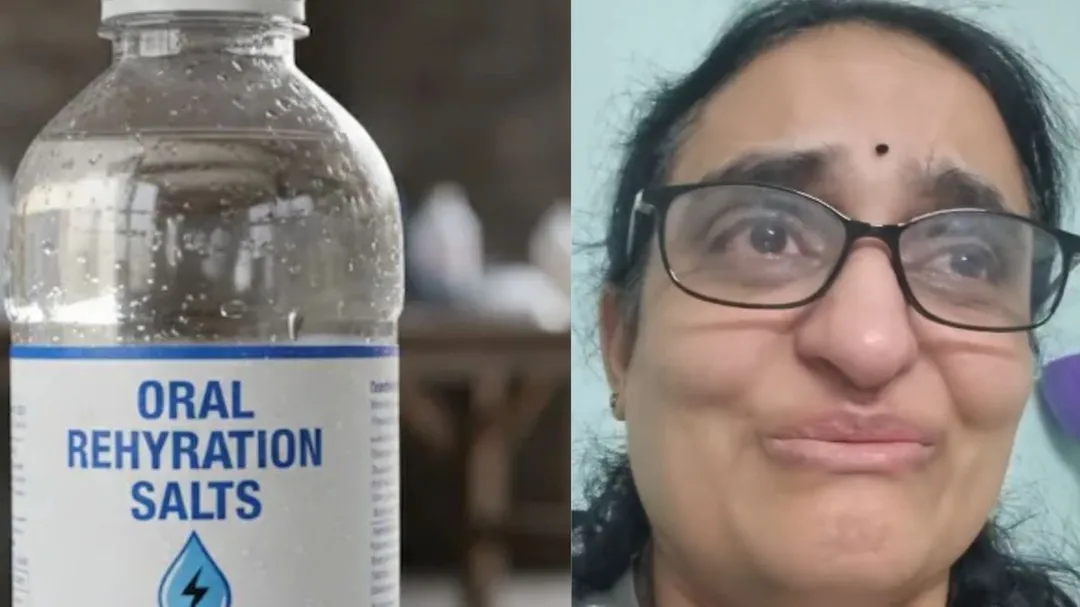
The recent controversy involving Hyderabad-based pediatrician Dr. Sivaranjani Santosh has brought into focus a deeper issue within India’s public health and regulatory framework. What began as a medical concern regarding the misuse of the term “ORS” in commercial beverages has now evolved into a legal and ethical debate.
Oral Rehydration Solution is a medically defined formulation used to treat dehydration, particularly in children. It is not a lifestyle drink, nor is it interchangeable with flavored beverages. Its composition is precise and clinically established. However, over time, several products entered the market that appeared to blur this distinction, presenting themselves in ways that could mislead consumers.
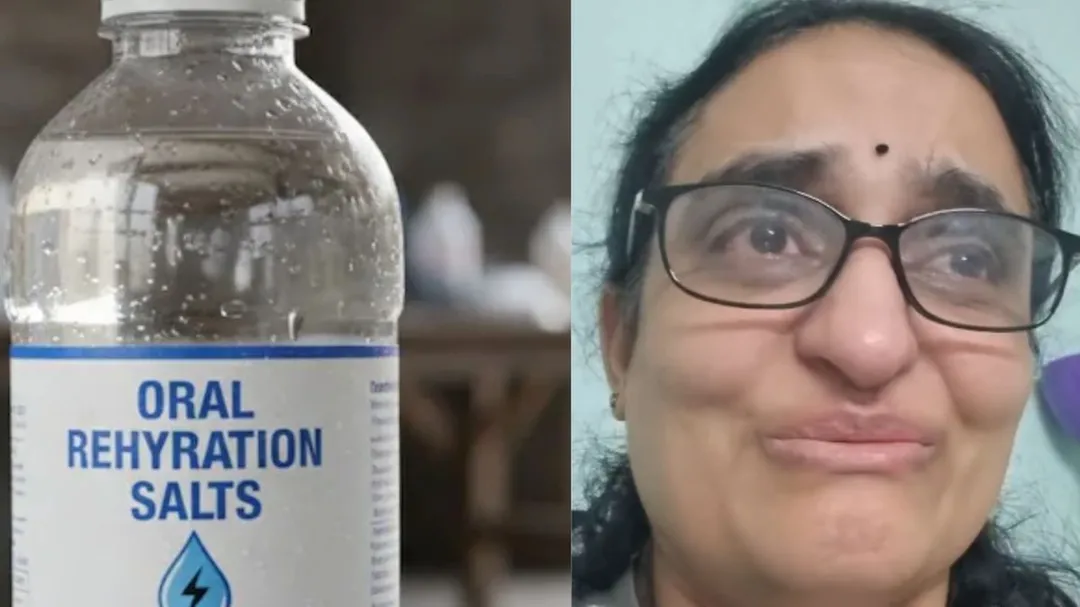
Dr. Sivaranjani publicly raised concerns that such products were being perceived as equivalent to ORS despite lacking the necessary formulation. Her argument was not framed as a commercial critique but as a medical warning. Yet, the response she received was not institutional engagement or public clarification, but legal notices from companies alleging reputational damage.
The Regulatory Gap and Delayed Intervention
The role of the Food Safety and Standards Authority of India becomes central in this context. While regulatory action was eventually taken to restrict the misuse of the term “ORS,” the timing of this intervention raises questions.
If the concern had sufficient merit to justify regulatory correction, then the obvious question is why such products were allowed to circulate in the first place. Regulatory frameworks are intended to prevent precisely this kind of ambiguity, particularly in areas involving public health.
The delay suggests either a gap in enforcement or a reactive approach to oversight. In either case, the burden appears to have shifted to individual professionals to identify and raise issues that should have been addressed at a systemic level.
From Scientific Debate to Legal Pressure
The transformation of a medical disagreement into a legal dispute is what makes this case significant. In principle, disagreements over scientific claims should be addressed through evidence, peer review, and public clarification.
However, when legal instruments are introduced at an early stage, the nature of the conversation changes. The focus shifts from evaluating the claim to managing the consequences of speaking. For an individual practitioner, the prospect of prolonged legal engagement carries financial and professional implications that extend beyond the original issue.
This dynamic is not unique to this case. Similar patterns have been observed in other sectors where individuals raising concerns about products or practices encounter legal challenges from larger entities. The imbalance in resources between institutions and individuals often shapes the trajectory of such disputes.
Public Health Versus Commercial Sensitivity
At the core of the controversy is a fundamental tension between public health communication and commercial sensitivity. When a medical professional highlights a potential risk, the primary consideration should be whether the concern is valid and how it can be addressed.
If the response prioritizes brand protection over public clarification, it risks undermining trust in both the product and the system overseeing it. Transparency is not merely a regulatory obligation but a prerequisite for public confidence.

In this instance, the perception that a health warning has been met with legal pressure rather than open examination has contributed to the broader reaction seen across professional and public circles.
The Chilling Effect on Professional Speech
One of the less visible but more significant consequences of such cases is their impact on future speech. When professionals observe that raising concerns can lead to legal consequences, it may influence their willingness to speak openly.
This is particularly relevant in fields like medicine, where timely warnings and public awareness can have direct implications for health outcomes. A system that discourages such communication, even indirectly, risks weakening its own safeguards.
The question, therefore, is not limited to this individual case. It extends to the environment in which experts operate and the degree of protection they have when acting in the public interest.
A Question of Accountability
The Hyderabad ORS controversy ultimately raises a broader issue of accountability. Regulatory bodies, commercial entities, and professionals each have defined roles. When these roles overlap or conflict, clarity becomes essential.
If a product is compliant, it should withstand scrutiny through evidence. If it is not, corrective action should be taken transparently. In either case, the process should reinforce trust rather than create uncertainty.
What began as a discussion about product labeling has become a reflection of how institutions respond to criticism and how individuals navigate those responses. The facts of the case will continue to be examined through appropriate channels. However, the larger questions it has raised are unlikely to disappear quickly.
I