

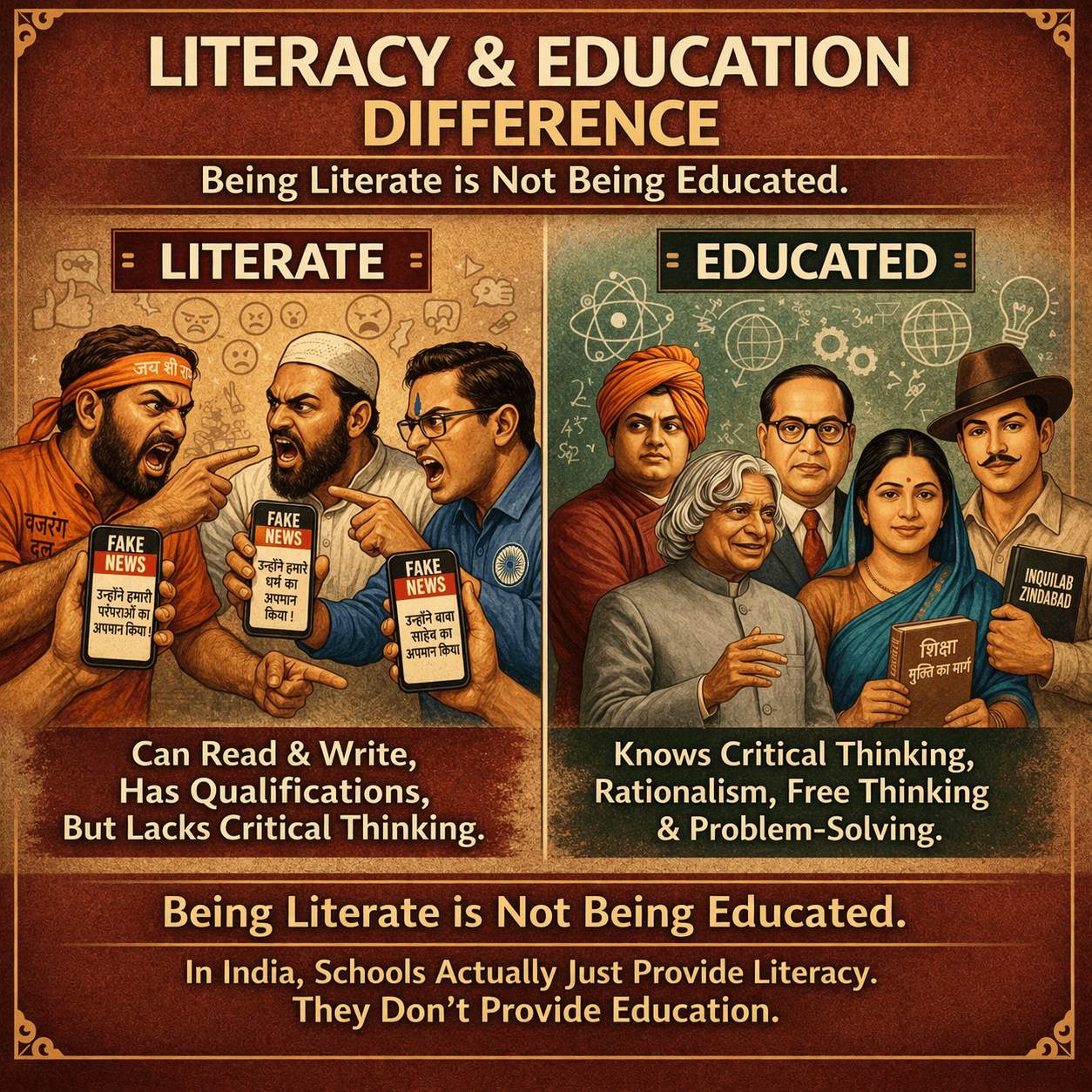
India often celebrates its rising literacy rate as a sign of progress. Numbers improve, reports look impressive, and the narrative feels positive. But beneath this surface lies a harder truth that is rarely discussed with honesty. Literacy is increasing, but education is not keeping pace. And this gap is shaping the way society thinks, reacts, and even fights.
What is the Difference Between Literacy and Education in India?
Literacy is the ability to read and write. Education is the ability to think.
This difference is not academic. It is visible every day, especially in the digital space. Open any social media platform and you will see people arguing, shouting, abusing, and reacting with certainty. They read posts, they write comments, they share opinions. They are clearly literate. But what is missing is reflection. What is missing is doubt. What is missing is the habit of asking a simple question: is this true?
Literacy Gives Access. Education Gives Understanding
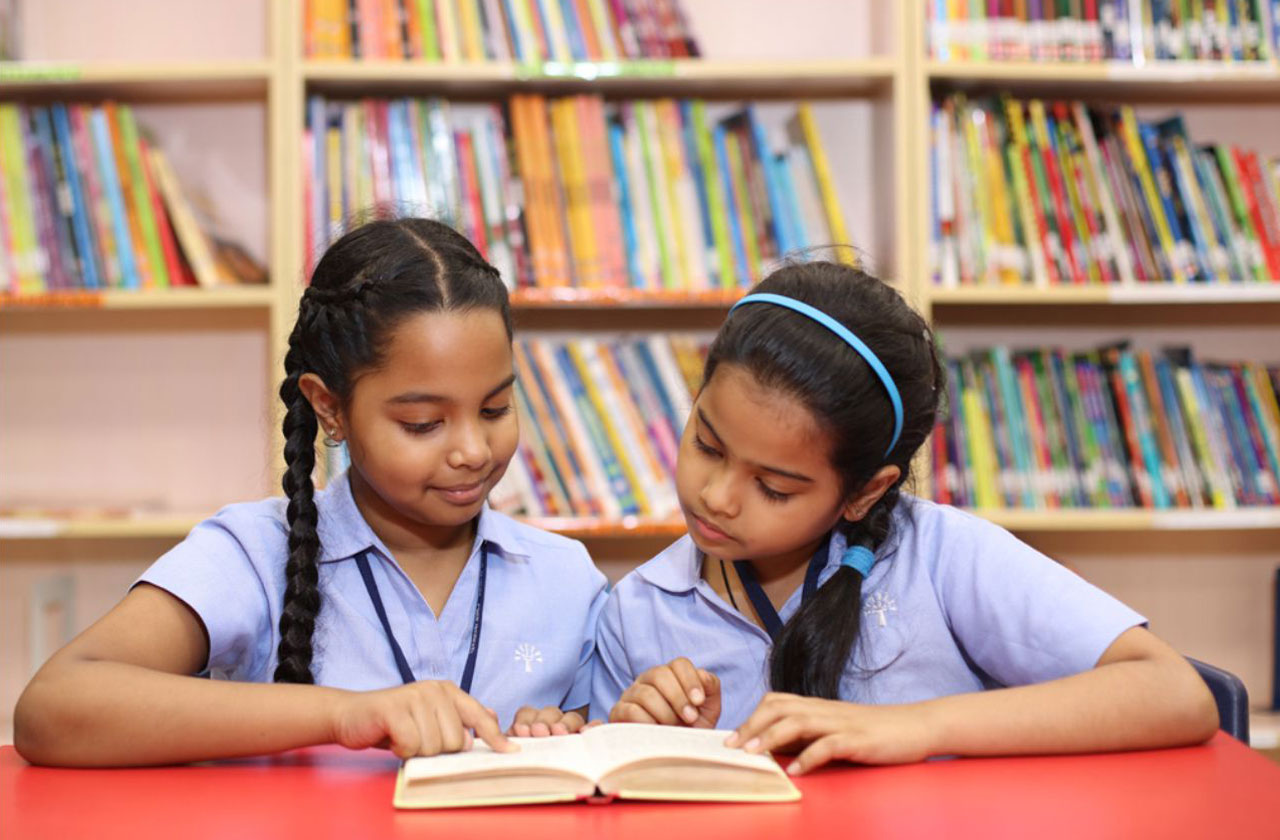
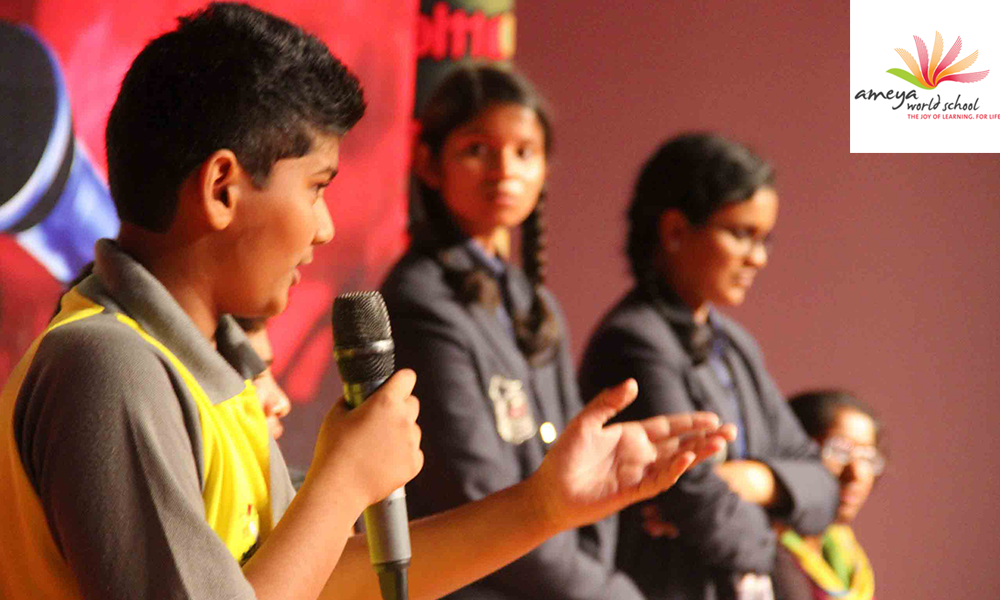
A literate person can read a headline. An educated person can question it.
A literate person can write a long comment. An educated person can think before writing it.
A literate person can pass an exam. An educated person can understand life beyond the exam.
This is where India is struggling. Access to information has exploded, but the ability to process that information has not grown at the same speed. Literacy has opened the door, but education has not walked through it.
The Age of Confident Ignorance
Today’s India is not suffering from lack of information. It is suffering from overload without understanding. People consume endless content, but very few pause to verify it. A message appears on a phone. It is emotional, dramatic, and often biased. It confirms what someone already believes. That is enough. It gets shared.
No verification. No context. No responsibility.
This is literacy without education. It creates what can be called confident ignorance. People are not unsure. They are absolutely certain, even when they are wrong. They argue with energy, but not with evidence. They react quickly, but do not reflect deeply.
Political Identity Over Rational Thought


Across political lines, whether it is supporters of BJP, Congress, or any other group, a pattern is visible. Many followers do not engage with ideas. They defend identities. They repeat talking points. They attack opponents.
This is not a problem of one ideology. It is a problem of thinking.
An educated person questions everyone, including their own side. A literate but uneducated person follows their side without question. Loyalty replaces logic. Emotion replaces analysis.
This is how people become puppets of narratives. Their opinions feel personal, but they are often borrowed. Shaped by leaders, influencers, and repeated messages.
When critical thinking disappears, democracy becomes noise instead of dialogue.
Schools That Teach Answers, Not Thinking
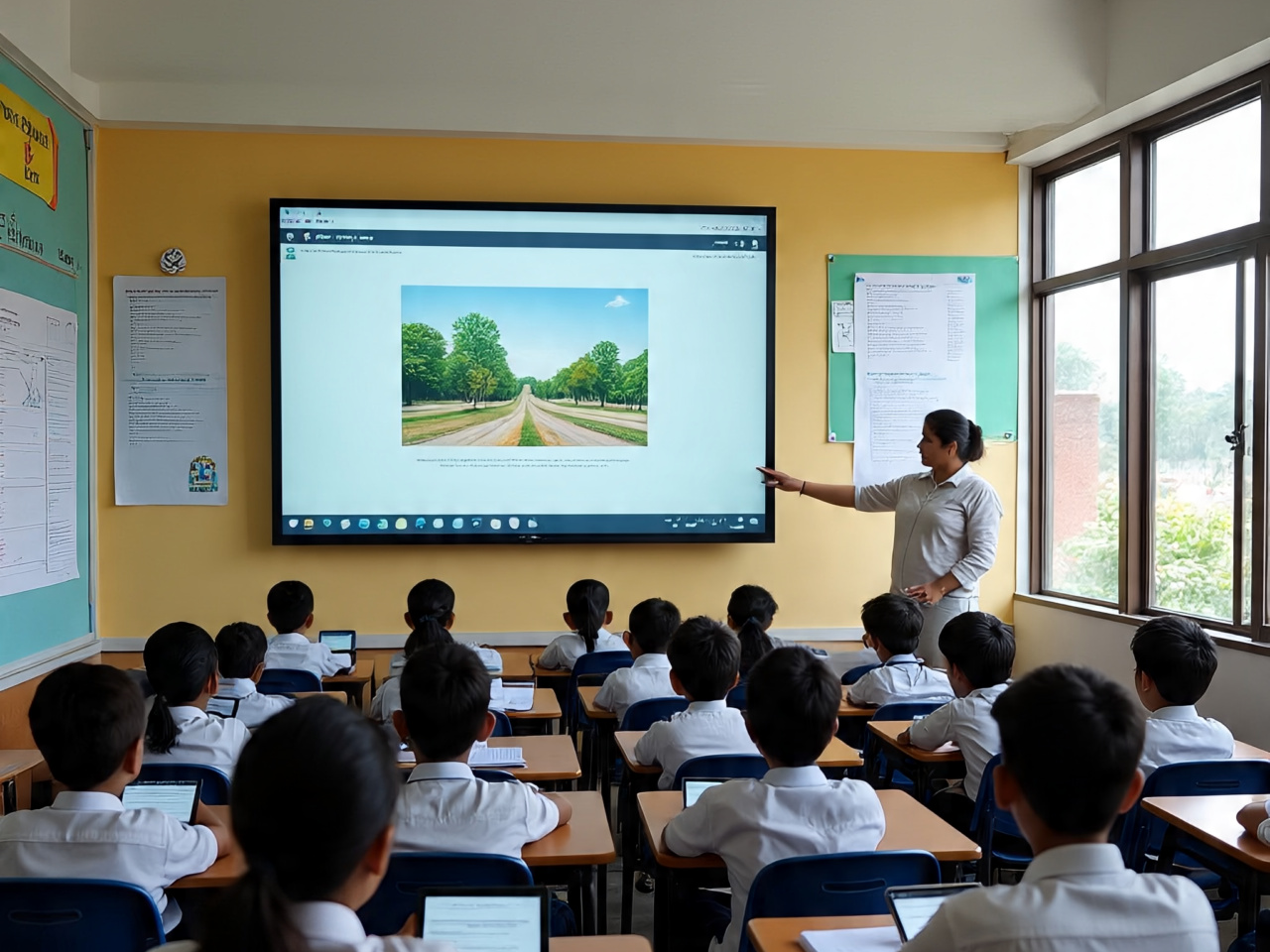

The roots of this problem lie in the education system itself. Most schools in India focus heavily on memorization. Students are trained to complete syllabi, reproduce answers, and score marks. Success is defined by exams, not by understanding.
Questions are often discouraged because they slow down the process. Curiosity is seen as disruption. Independent thinking is rarely rewarded.
Over time, students learn a pattern. Do not question. Just remember. Just repeat.
This creates individuals who are literate but intellectually dependent. They wait for authority to tell them what is right. They struggle to analyze new situations because they were never trained to think independently.
Education begins where memorization ends. But for many students, memorization is where it stops.
The Illusion of English as Education
One of the most persistent myths in India is that fluent English equals education. It does not.
English is a language. It is a tool for communication. It can improve access to opportunities, but it does not guarantee understanding.
Many people speak English fluently and still lack critical thinking. They may sound confident, polished, and informed. But confidence is not knowledge. Presentation is not understanding.
This creates a false sense of superiority. A person may believe they are educated because they speak well, while their thinking remains shallow and unexamined.
Education is not about how you speak. It is about how you think.
Understanding the Real Categories
To understand this clearly, it helps to break down the types of people we see in society.
Illiterate person
Cannot read or write. But may still understand life deeply through experience.
Literate person
Can read and write. May have degrees. But may lack critical thinking.
Educated person
Thinks logically. Questions information. Understands complexity. Solves problems.
Uneducated person
Lacks awareness and reasoning. May or may not be literate.
The Most Important Divide
Literate but Uneducated
This is the most common type in today’s digital India.
This person reads news, watches videos, and writes opinions. They are active online. But they rarely question what they consume. They believe quickly, react emotionally, and share without verification.
They are not silent. They are loud. And that is what makes them influential and dangerous at the same time. Misinformation spreads fastest through those who are confident but uncritical.
Illiterate but Educated
This category is often ignored.
A person may not read or write, yet still think clearly. They may understand cause and effect. They may question what they hear. They may make practical, rational decisions.
Education is not always found in classrooms. Sometimes it is built through experience, observation, and independent thought.
Why Critical Thinking Is the Core of Education
Critical thinking is not an extra skill. It is the foundation.
It means asking questions like:
- Who is saying this and why
- What evidence supports this claim
- What information is missing
- Could this be false or biased
It also means being comfortable with uncertainty. Being open to changing your opinion when better evidence appears.
An educated person is not the one who knows everything. It is the one who knows how to think about anything.
The Cost of Ignoring This Difference
When a society becomes literate but not educated, the consequences are serious.
Public debate becomes toxic.
Fake news spreads faster than facts.
People become divided into rigid groups.
Reason is replaced by reaction.
Democracy weakens because voters are influenced more by emotion than understanding.
This is not a future risk. It is already happening.
What Needs to Change
India does not just need higher literacy rates. It needs a shift in what it values as education.
Students should be taught how to think, not just what to remember.
Classrooms should encourage questions, not silence them.
Teachers should focus on understanding, not just completion of syllabus.
Society should respect logic, not blind loyalty.
Critical thinking, rationalism, and problem solving must become central, not optional.
Being literate is not being educated.
Literacy gives you the ability to read words.
Education gives you the ability to understand meaning.
Literacy helps you consume information.
Education helps you question it.
In today’s India, the gap between these two is becoming more visible and more dangerous. A society that can read but cannot think is easily influenced, easily divided, and easily controlled.
Real progress will not come from numbers alone. It will come when thinking becomes more important than memorizing, when questioning becomes more important than repeating, and when understanding becomes more important than simply knowing.
Until then, literacy will continue to rise. But education will remain incomplete.
Support Independent Journalism
If you like our work and value deep, honest, and unfiltered reporting like this, consider supporting us. Your contribution helps us continue independent journalism.

1 Comment