
The NEET-UG paper leak case has once again shaken the trust of millions of students and parents across India. What was supposed to be one of the country’s most important and merit-based medical entrance examinations is now under intense investigation after fresh arrests linked to an alleged leak network operating across multiple states.
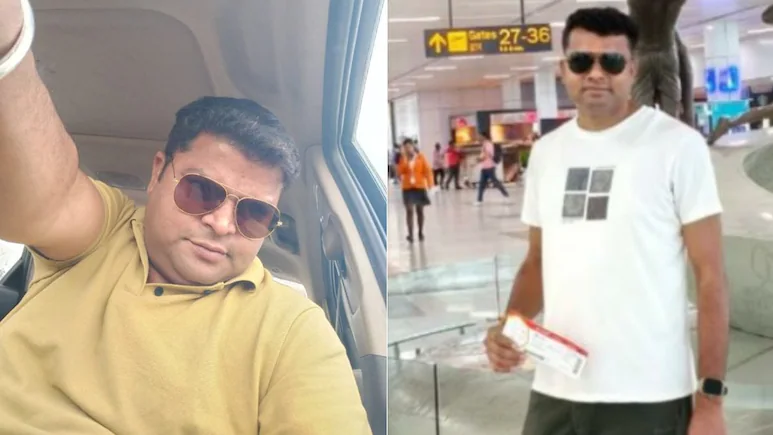
At the center of the latest controversy is Dinesh Biwal from Rajasthan, who has been identified in several reports as a BJP youth wing-linked political worker. Along with his brother Mangilal Biwal, he was arrested by the Central Bureau of Investigation (CBI) in connection with the alleged NEET-UG paper leak racket.
According to investigators, the two brothers are suspected of purchasing the NEET question paper nearly a week before the examination took place. Reports claim the paper was allegedly obtained through intermediaries connected to a Gurugram-based doctor and later circulated through a larger network involving Rajasthan’s coaching ecosystem, WhatsApp groups, and student contacts.
The investigation suggests that the alleged leak may have involved payments running into lakhs of rupees. Some reports mention a deal of around ₹30 lakh for access to the paper before the exam. Authorities believe the paper was then sold onward to aspirants and coaching-linked networks in places such as Sikar, Rajasthan, a city already known for its massive coaching industry.
The case became politically explosive after posters and photographs surfaced online allegedly showing Dinesh Biwal associated with BJP youth wing activities in Rajasthan. Opposition leaders, including former Rajasthan Chief Minister Ashok Gehlot, questioned whether political influence played a role in the delay of action or investigation.
Reports also indicate that the Rajasthan Special Operations Group and the CBI traced a chain of distribution that allegedly moved from Maharashtra and Haryana into Rajasthan. Investigators suspect that the question paper may have originated from a printing or logistics channel before being circulated digitally and physically through couriers and messaging platforms.
One of the most disturbing parts of the investigation is the allegation that leaked material may have reached hundreds of students before the examination. Some reports suggest that answer sheets, question papers, and “guess papers” containing real questions were circulated among selected candidates in exchange for large sums of money.
The NEET examination is not an ordinary test. It is the single national entrance examination for admission into medical colleges across India and affects the future of millions of students every year. Conducted by the National Testing Agency (NTA), NEET determines admissions into MBBS, BDS, AYUSH, and other medical courses.
Because of this, every paper leak allegation creates nationwide outrage. Students spend years preparing for NEET, often sacrificing social life, mental health, and family finances in pursuit of a medical seat. When reports of corruption, leaks, or manipulation emerge, it damages faith in the fairness of the entire system.
The current investigation is still ongoing, and authorities are trying to determine how deep the network extends. More arrests may happen in the coming days as digital records, financial transactions, WhatsApp chats, and communication chains are examined.
The controversy has now become larger than just one arrest. It has triggered national questions about exam security, political connections, coaching mafia influence, and the vulnerability of India’s competitive examination system.
For lakhs of students, the issue is not political. It is about trust. They want to know whether hard work still matters in a system increasingly surrounded by allegations of corruption and leaks.
The NEET paper leak case is now being seen not only as a criminal investigation, but also as a test of accountability for institutions responsible for protecting the future of India’s youth.