

Move Aims to Prioritize Public Convenience Over Political Promotion
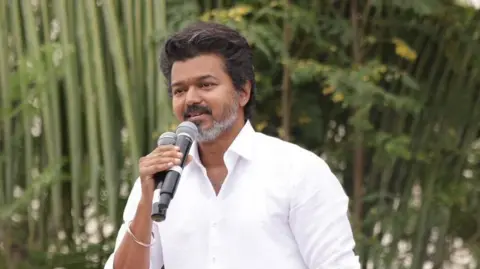
Tamil Nadu Chief Minister and Tamilaga Vettri Kazhagam (TVK) leader Vijay has directed party cadres to stop putting up posters, banners, hoardings, and oversized cutouts in public spaces, marking a significant departure from the traditional political culture often seen across India.
According to reports, the directive was issued to ensure that public spaces remain accessible, clean, and free from unnecessary obstructions. The move is being viewed as an attempt to prioritize public convenience and civic responsibility over political marketing.
A Break from Traditional Political Culture
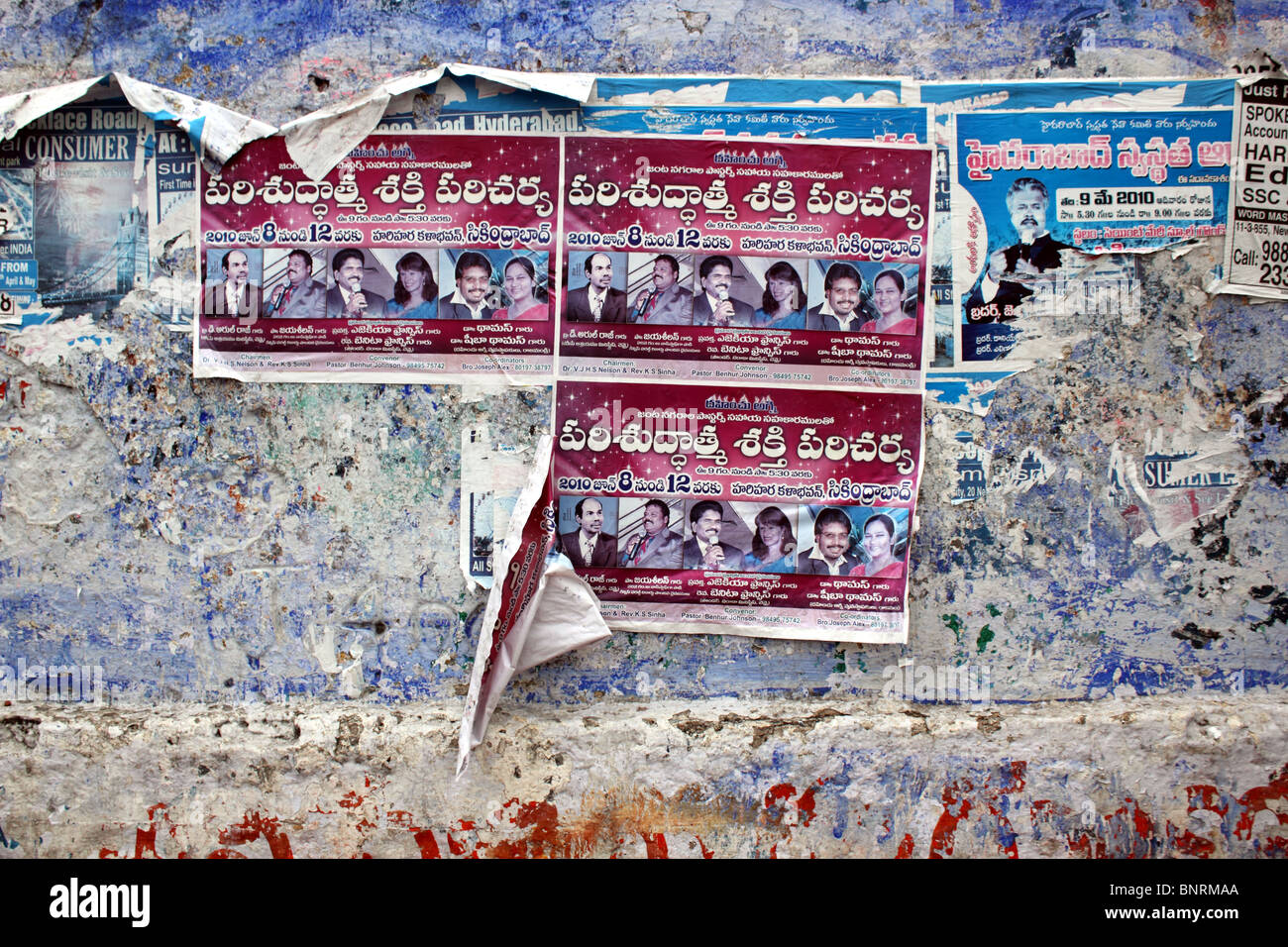
For decades, political parties across India have relied heavily on banners, posters, and giant cutouts to promote leaders, celebrate birthdays, announce rallies, and showcase political strength. Critics have long argued that these displays create visual pollution, obstruct traffic, damage public property, and contribute to urban clutter.
Vijay’s decision signals a different approach. Party workers have reportedly been instructed not to install oversized cutouts, posters, or hoardings that inconvenience the public or occupy public spaces.
The directive has attracted attention because Tamil Nadu has historically been known for its large political banners and massive cutouts associated with both cinema and politics.
Public Reaction
The announcement has received praise from many citizens and urban planning advocates who believe public spaces should be reserved for civic use rather than political advertising.
Supporters argue that roads, footpaths, walls, and public infrastructure should not be turned into permanent advertising spaces for political organizations. Many have described the move as a step toward cleaner cities and better civic management.
Others have suggested that similar guidelines should be adopted across India to reduce visual clutter and improve the appearance of urban areas.
Not a Statewide Legal Ban
It is important to note that the directive currently applies to TVK cadres and supporters. Available reports indicate that this is a party-level instruction rather than a statewide legal ban applicable to all citizens, organizations, or political parties.
However, the decision has sparked a broader discussion about the role of political advertising in public spaces and whether stricter regulations should be introduced nationwide.
A Debate Beyond Tamil Nadu
The issue extends beyond one state. Across India, public walls, electric poles, roadsides, and intersections are frequently covered with political posters, advertisements, and banners. Critics argue that such practices affect the visual quality of cities and often lead to unnecessary public inconvenience.
Vijay’s directive has reignited the debate on whether public spaces should primarily serve citizens or continue to be used for political promotion.
Conclusion
By discouraging the use of posters, banners, hoardings, and oversized cutouts in public spaces, Vijay has taken a step that many see as promoting civic responsibility and public convenience. Whether other political parties choose to follow a similar path remains to be seen, but the decision has already started a nationwide conversation about the future of political advertising in India.

1 Comment